8. Undercover Spy
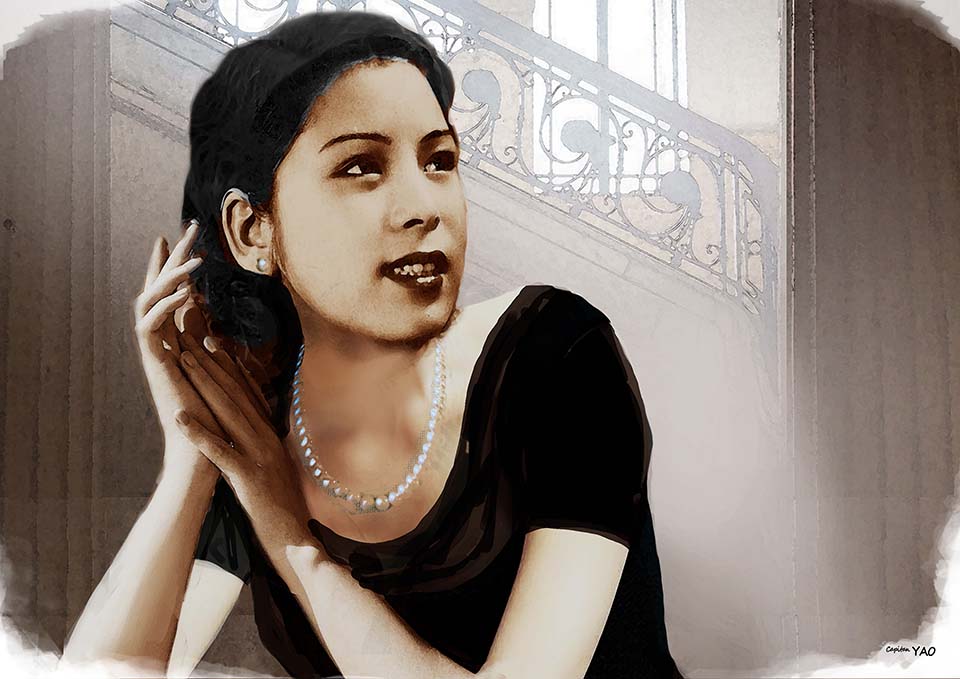
(Figure 4-8-1) Li Yunhe came to Shanghai and transformed into the sex symbol Lan Ping.
The next evening, I happened to pass by that theater again and saw that the backstage was brightly lit. I curiously pushed open the half-closed door and went in. A woman was sobbing in front of a makeup mirror. Suddenly, her eyes widened and we quickly recognized each other in the reflection of the mirror.
"Paul?"
"Yunhe? Is that really you?"
She quickly got up and rushed towards me, hugging me tightly, like a drowning person suddenly finding a piece of driftwood in front of them, holding on tightly and not daring to let go, for fear that if she let go, she would be forever trapped in a state of no return. Perhaps this description of her is a bit of an exaggeration, but after I learned about her situation at the time, I felt that this was a very natural reaction.
"Paul, take me away!"
"Go? Go where?" I was completely confused.
"Let's go to where you live! It's not convenient to talk here. I'll tell you the reason when we get there!" she said, looking around nervously.
"This..." I was still in a daze. We hadn't seen each other for years, and now he wanted to come home with me the moment we met?
"What's wrong with you? You're such a big man, so indecisive, acting like a woman!" She shoved me into a dark alley behind the theater.
"drive?"
"I'm riding a motorcycle!"
"A motorcycle?" She rolled her eyes, then took off the scarf around her neck and wrapped it around her head and face again, saying, "Hurry up and drive it here to pick me up!"
"Oh? Yes...yes..." I felt like I was under a spell, completely at her mercy.
I drove the motorcycle into a back alley and let Yunhe ride alongside. It wasn't far from the theater to my place, only a ten-minute motorcycle ride. This area was the most beautifully decorated for Christmas in the concession, and I originally wanted to take her there to join in the fun. But Yunhe insisted that I take a longer, less crowded route, and I had no choice but to comply. As I rode, I glanced at her in the rearview mirror; she had her face covered by a scarf, leaving only her bright, intelligent eyes visible. It felt like the wonderful times we had together in Tsingtao were coming back to me.
Once inside, she felt right at home. She went straight to the closet and found a silk nightgown that Annie had left behind, putting it on. It looked rather sexy and alluring.
"Whose nightgown is this?" she asked, admiring herself in the mirror. Then her gaze fell on Annie's photograph on the table beside her. "Ah! What a beautiful woman! Is she your wife?"
"She passed away several years ago!" I said, shaking my head.
"sorry!"
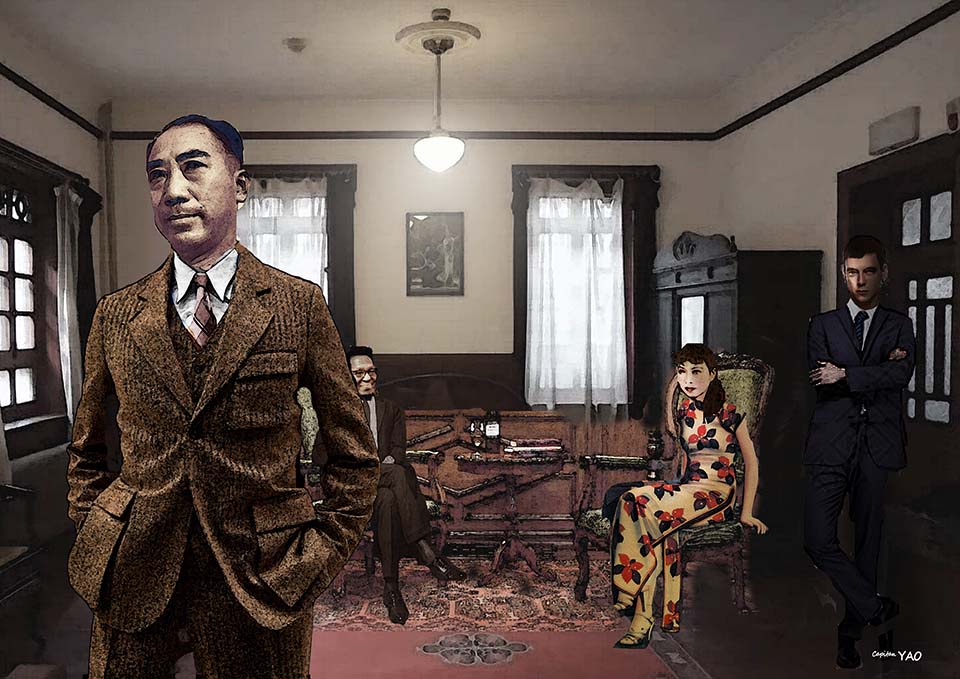
(Figure 4-8-2) Paul Draken and Li Yunhe rekindled their romance in Tsingtao in Shanghai.
"It's okay!" I hugged her from behind, letting her snuggle in my arms, and we looked in the mirror together; she said, "Poor Paul, you probably need me right now, don't you?"
"You only have one bed here, you can't expect me to sleep on the floor, can you?" She turned around and pushed me down onto the bed. "Of course, I wouldn't want my master to sleep on the floor either!"
Then she took off her pajamas in front of me, revealing that she wasn't wearing anything underneath.
"In that case," I pulled her onto the bed and hugged her tightly, whispering in her ear, "you used to be the mistress of this place!"
Speaking of sex, Li Yunhe and Kim Bihui each have their own merits, but both possess a mysterious, slightly wicked, decadent yet intoxicating charm reminiscent of the East. Suddenly, Emily Hahn's image flashed into my mind. Although I only saw her yesterday with Shao Sinmay since she came to China, my intuition tells me she seems to be imitating this charm—her attire, speech, gaze, even the way she smokes opium; this charm is particularly alluring to Westerners, no wonder the wealthy businessmen of Shanghai all want to be intimate with her. But I felt something from her last night...
It's absurd that I'm holding Li Yunhe while thinking about Shao Sinmay's woman? But it seems that this Eastern-style mental confusion brought my sex life with Li Yunhe to an unparalleled climax tonight.

"Alright! Can you tell me now?" After we finished, I held Yunhe and lay down on the bed.
"I...I'm on the run from the underworld," she said.
"Chasing you? Who did you mess with?"
"Who else? It's that Huang Jinrong!"
"Huang Jinrong?" Hearing this, I felt a little relieved. Huang Jinrong was Annie's godfather! So I patted my chest and assured her, "That's easy! He's my godfather. I'll take you to meet the old man that day, explain things, and everything will be fine!"
"Pay homage? Absolutely not!" Yunhe panicked and quickly waved his hands, "He just wants me to be his concubine!"
Concubine? Uh... these things are really hard to say. If Yunhe becomes Huang Jinrong's concubine, then...
"If you don't try to save me, then you can just wait to call me 'Mom'!" she said, flipping over and straddling me. "You godson, you've even slept with your mother! Let's see how you face your godfather now!"
Later I found out that Li Yunhe had been lying to me! She said it was partly true that Huang Jinrong had taken a liking to her, but it wasn't directly related to her wanting to leave Shanghai. The real reason behind it, and its subsequent impact, far exceeded my imagination! Suddenly, a tear fell onto my cheek. Looking at Yunhe's face, I saw tears welling in her eyes, and she said to me in a trembling, almost pleading voice, "Paul, I have to leave Shanghai! Will you take me to America?"
Why does every woman want me to take her to America? Ten years ago, I sacrificed an airplane to allow Princess Anastasia and Korniloff to go to America and start a new life. Ten years later, I no longer have that drive; besides, I don't have an airplane anymore!
My previous company, Shanghai Dragon Airlines, closed down after Annie's accident because I was not in the mood to run it. In addition, I was away from China for a period of time, so I had no planes left. But the problem was not just whether I had planes or not, but that I simply did not have the mood to take over Yunhe's old business. However, I could not refuse outright, so I could only make excuses and promise Yunhe that I would try my best.
Several weeks passed, and I called Yunhe to tell her that I was truly powerless to help her go to America. Yunhe was silent for a long time before saying, "If I can't go to America, then I'll have to go to Yan'an!"
"Yan'an? What are you going to Yan'an for?" I was genuinely surprised to hear that she was going to Yan'an.
Yan'an was the place where the Chinese Communist Party's Red Army finally settled after fleeing 25,000 li (approximately 12,500 kilometers) from Chiang Kai-shek's encirclement and suppression campaign. Originally on the verge of collapse under the pressure of the Kuomintang army, the situation only eased slightly after Chiang Kai-shek agreed to suspend the civil war following the Sian Incident. Afterwards, it became a place of longing for many intellectuals enthusiastic about resisting Japan. I knew from intelligence that it was an extremely impoverished place in Northwest China, where people lived in cave dwellings. I simply couldn't associate someone like Yunhe with Yan'an.
I was going to retort to her over the phone, "You're a Shanghai movie star, how could you possibly stay in a place like Yan'an?"
But then I thought, aren't we lacking intelligence channels with the CCP? Now it seems we have a volunteer! If Yunhe can work for us, why not send her to Yan'an?
So I changed my mind and said, "Go to Yan'an? Great! I'll figure something out!"
That's what we said, but our Royal Navy intelligence group had absolutely no foundation within the CCP. After Yunhe went to Yan'an, there was neither a leadership system to supervise her nor a radio station to contact her. We weren't even sure if she would be safely delivered to Yan'an. For a public figure like Lan Ping, going to Yan'an was not as easy as a regular person sneaking away. If such a thing were exposed, it could lead to death, which was a common occurrence in Shanghai in the 1930s. Although Chiang Kai-shek agreed to stop the suppression of the Communists and unite against foreign aggression after the Sian Incident, no one knew if he was sincere or if it was another trap.
I remembered someone who might be able to solve all the problems, but I had to assess whether the cost was worthwhile. That person was Tai Li, the head of the Nanking government's underground intelligence bureau. I immediately called Tai Li and arranged a meeting. He seemed very interested in my suggestion: "We have ways in Yan'an, everything will be fine. May I know who he is?"
"Do you think I'd tell you? I'll bring her to meet you!" I hung up the phone.
Actually, I hadn't even discussed this important matter with Yunhe yet. And then, I hadn't heard from Tai Li for several weeks, so I almost forgot about it. One day after the Spring Festival, Tai Li suddenly called and asked me to meet him alone in a hotel room. He said it would be best to discuss the specifics before meeting Yunhe. Only then did I realize I hadn't discussed this with Yunhe, but since I couldn't find her, I had no choice but to go.
I arrived on time as agreed, and my eyes widened as soon as the door opened, for I found Yunhe sitting there, accompanied by a thin, small man. Tai Li, seeing me arrive, stood up with a broad smile and greeted me, saying, "Welcome, Brother Paul! Let me introduce you to Miss Lan Ping and Mr. Zhang!"
The short, thin man in the ill-fitting suit stood up first, extended his hand, and said, "Just call me Dick!"
I was stunned and didn't react, staring at Yunhe. What was going on?
(Figure 4-8-3) Tai Li spoke eloquently, and Li Yunhe's eyes shone, completely absorbed in the conversation.
"Oh! You know each other?" Dai Li stepped forward and said, "Haha! To be honest, we've known each other for a long time. Sit down! Sit down!"
After we all sat down, Dai Li stood up, put his hands behind his back, and began his long speech: "The Kuomintang and the Communist Party are about to unite against Japan. The Chairman needs someone to be stationed in Yan'an to learn more about them. This person will not be easy to find, because he will serve as a bridge between the Chairman and Mr. Mao. Not only must he gain the mutual trust of both sides, but his identity must also be kept absolutely secret. This is such an important role, and such a historic task!"
Dai Li took out a handkerchief to wipe his nose, turned to Yun He and said, "Miss Lan Ping! You are a movie star and have played many roles. Tell me, which role is more real and more meaningful than this one?"
Yunhe looked up at Tai Li without moving, his lips slightly parted and his eyes shining, as if he were completely intoxicated.
I must admit that Tai Li was very persuasive. Even a fiery person like Li Yunhe was convinced by him. She was not like this when she was with me!
"Miss Lan Ping! Do you know why I'm looking for you?"
Yunhe, who was in a daze, was at a loss for words when Tai Li asked him this question, and couldn't answer for a moment. Tai Li then answered himself, "Why? It's because you once worked for the Communist Party and even went to jail for it, which gives them a basis to believe you!"
"Yunhe is a Communist and has been to prison?" I couldn't believe my ears. How could this be?
At the time, I did not know that she had been arrested in Shanghai in 1935 for participating in Communist Party activities because of Yu Chiwei; she was released a year before I returned to China, but she was not actually a Communist Party member, at most an outsider.
Tai Li continued, "I will arrange for you to go to Yan'an soon. We have people in the very heart of the city there. A Mr. Li will contact you."
After the two said goodbye, Tai Li kept me here and ordered food to be brought into the room. While we were eating and drinking, he told me why Yunhe was here today: "Lan Ping is indeed an outsider of the Communist Party. After she was released from prison, she was secretly controlled by one of our comrades in the arts and literature circle. That day she did not return home all night, so I sent someone to investigate and found that she was with you, so I brought her here."
As Tai Li spoke, his nose started to snot again, so he took out a handkerchief to wipe his nose and continued, "We originally planned for Lan Ping to go to Yan'an, but she was always unwilling. After you appeared, it was as if she had found a savior. The problem is, how could I let you help her go to America? But then again, it's fortunate that you appeared, which allowed us to make her give in."
"What does this have to do with me?" I asked, completely bewildered.
"Of course there's a connection! The fact that Lan Ping was imprisoned for communist crimes but wasn't executed and was even released on bail already made some people in the CCP's intelligence department suspect that she might have defected," Dai Li said. "If it were discovered that she was with British agents, she would definitely be considered a traitor and punished by her own party. This kind of thing happens every day in Shanghai!"
"But whether or not to reveal her relationship with British spies to the CCP's intelligence department is a decision I must make," Tai Li said. "Under these circumstances, do you think she would dare disobey and obediently go to Yan'an?"
Tai Li's words sent a chill down my spine.
"However, threats alone are not enough to accomplish great things. I brought her here today to motivate her," Tai Li said. "She is an ambitious woman, so I started by saying that this mission is related to both the Chairman and Mr. Mao. That will definitely work on her."
"So, Brother Paul, that's why I'm intervening first. With your reckless approach, she'd probably be dead on the streets of Shanghai by now!" Tai Li finished eating, wiped his mouth, and stood up. "Don't worry, I'll inform you first if there's any intelligence related to Britain! However, our plan for Lan Ping is long-term infiltration, not immediate intelligence gathering. We have the patience to wait; ten years, twenty years, thirty years! Knowing her as I do, she'll one day turn Yan'an upside down!"
Thirty years later, she truly turned the world upside down, not only in Yan'an but throughout China.
Li Yunhe, also known as Lan Ping, and Dick arrived in Yan'an in mid-1937 and early 1938 respectively. For safety reasons, I never met Lan Ping again after our last meeting. Moreover, the war between China and Japan had already begun, and the intelligence group was extremely busy, so we had no time to think about personal matters. I never imagined that this separation would last for decades.
As far as I know, Lan Ping and Dick were later both under Dai Li's direct leadership. Dai Li monitored them through a man he called Mr. Li. After Mr. Li left Yan'an, he seemed to have changed his methods. After Tai Li's mysterious plane crash death in 1946, the two of them became like dead spies with broken strings. No one could confirm their identities except for that Mr. Li. But I don't know who Mr. Li is. I guess it might be Shen Zhiyue, who later served as the director of the Investigation Bureau in Taiwan, but I'm not sure. Of course, I don't know if he ever confirmed it.
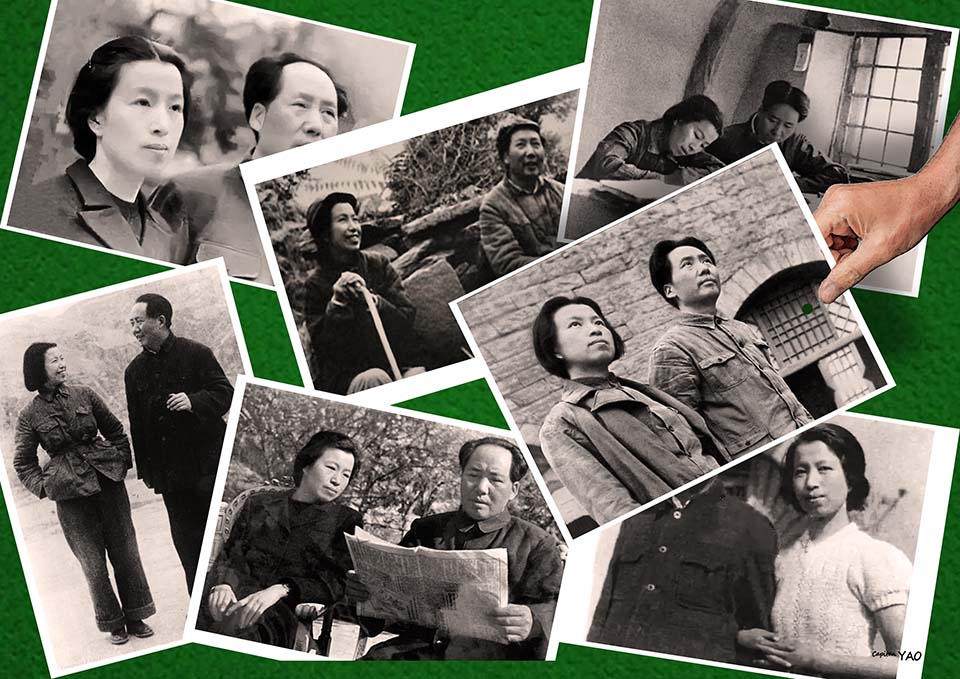
(Figure 4-8-4) The photos of Yan'an were collected by the intelligence group, and Paul discovered that Li Yunhe had become Mao Tsetung's wife, Chiang Ching.
As for Lan Ping and Dick, Dai Li never intended them to play active intelligence roles from the beginning. Instead, he hoped they would become long-term undercover agents, striving to rise to important high-ranking positions and play a decisive role at crucial moments. As for what constituted a crucial moment, Tai Li himself had no idea. Indeed, they remained completely silent for a long time after arriving in Yan'an. Later, I almost forgot about it, but I always remembered Tai Li saying that Lan Ping was absolutely restless and would definitely cause some kind of upheaval.
Lan Ping arrived in Yan'an in 1937 and seduced Mao Tsetung. Mao changed her name to Chiang Ching and married her. However, until the Cultural Revolution in the 1960s, she was ostracized by veteran Party cadres and became a voiceless woman by the Chairman's side. Chiang Ching, with her personality, could not tolerate this and harbored resentment. After Mao launched the Cultural Revolution, she finally found an opportunity to step into the limelight and act as the standard-bearer of the radical faction. Together with Dick (Chang Chunchiao), she used young and ignorant Red Guards to overthrow the founding fathers of the new China, including Chairman Liu Shaochi, who was even tortured to death. During the Cultural Revolution, China was almost in a state of anarchy, which not only caused the deaths of hundreds of millions of people but also brought China's modernization to a standstill for a full decade.
The Cultural Revolution in China in the 1960s mirrored Stalin's bloody purges of the 1930s, both ultimately severely weakening the newly emerging communist nation and significantly reducing the pressure and challenges posed by Western countries. Had China not experienced the Cultural Revolution, given the performance of the Chinese military in the Korean War, the US-led alliance would have faced considerable difficulties in Asia and even in the Third World during the Cold War. Mr. Tai, like Mr. M, possesses an almost prophetic ability to anticipate events decades in advance and plan accordingly; in this respect, I am utterly inferior. However, I felt compelled to play a role in both of these human catastrophes, even though I was unaware of them beforehand, and I still feel inextricably linked to them!
Tai Li's concerns were justified. Fortunately, no one else knew about Li Yunhe's meeting with me in Shanghai. Otherwise, if she had been labeled as colluding with Western imperialist spies, she would never have become the First Lady of the People's Republic of China, let alone the leader of the Cultural Revolution in the 1960s! But the problem was that she didn't know for sure if anyone in Shanghai knew about her affair with me. After the Cultural Revolution began, this became her biggest weakness, which she feared being exposed by the enemy. Several times, she secretly ordered the Red Guards to carry out brutal purges and searches of her old acquaintances in the Shanghai film and drama circles in order to destroy all evidence against her. Many people died unjustly in prison or under the beatings of the Red Guards as a result.
Some say this was an action taken to prevent her scandals in the Shanghai film industry from being discovered by the enemy. This is not true, because Lan Ping's past in the Shanghai film industry was common knowledge at that time and was hardly a secret. Compared to her dealings with British intelligence agents and even becoming a Kuomintang spy infiltrating Yan'an, what was that? Therefore, those Shanghai artists and cultural figures who were unjustly killed during the Cultural Revolution were actually sacrifices made by Chiang Ching to protect her own secret, which absolutely could not be revealed. This secret was not revealed until she hanged herself in 1991. Now that all the parties involved have passed away, if I don't tell you, probably no one will know.
Li Yunhe became Mao Tsetung's wife, Chiang Ching, which created a peculiar relationship between Mao and Chiang Kai-shek. Yu Chiwei, who lived with Li Yunhe at the time, later changed his name to Huang King. After the founding of the People's Republic of China, he served as Minister of the First Ministry of Machine Building. Huang King married Fan Kin, the editor-in-chief of the Peking Daily, and they had three sons and two daughters. His eldest son, Yu Chiangsheng, and third son, Yu Tsengsheng, were both related to me. Yu Chiwei's uncle was Yu Dawei, who served as Minister of National Defense in the Kuomintang government of Taiwan. I also knew him. Yu Tawei's son, Yu Yanghe (Yu Chide), married Chiang Ching-kuo's daughter, Chiang Hsiao-chang. Their son was named Yu Tsusheng, both names containing the character "Sheng." In other words, Chiang and Mao were connected through the second generation of the Yu family.
On May 12, 1937, King George VI ascended the throne, succeeding the abdicated Edward VIII. Various countries sent special envoys to offer their congratulations. The Chinese delegation was led by H.H. Kung, and I noticed that the deputy head of the delegation was Chen Shaokuan, the Minister of the Navy. In addition to the coronation ceremony, a naval review was held as is customary. Japan sent the new heavy cruiser "Ashigara," while China did not send a ship. The last time China participated in a naval review for a British coronation was during the Ch'ing Dynasty, in 1911 when George V ascended the throne, China sent the warship "Haichi." At that time, it was the Ch'ing Empire; upon its return, it was the Republic of China.
Although I could not participate, I still tried to gather relevant intelligence. After leaving Britain, the Chinese delegation went to Germany. Hitler met with H.H. Kung and other members of the delegation. News then arrived that on June 9th, they signed a contract in Berlin with the Flender-Werke shipyard in Lübeck to order one 500-ton ocean-going submarine, four 250-ton coastal submarines, and one submarine tender for 99 million marks. Eighty trainees were also sent to Germany for initial training on these same type of submarines.
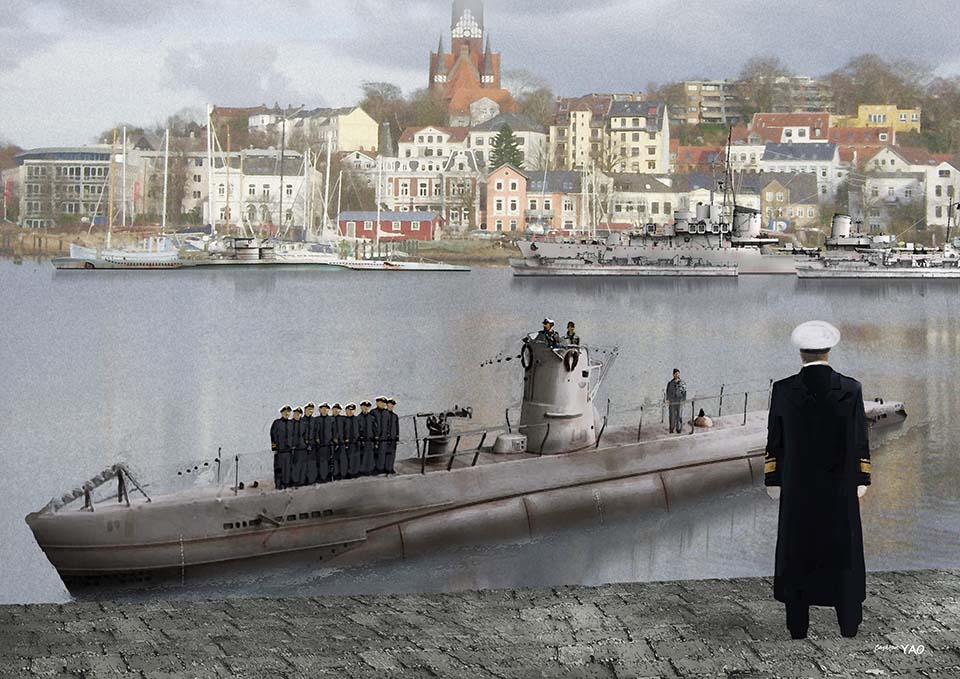
(Figure 4-8-5) hinese naval officers and soldiers receive training on existing submarines of the same class in Lübeck, Germany.
At that time, China exported strategic minerals to Germany in exchange for German arms and the cooperation of a military advisory group. This was done through a trading company called "Handelsgesellschaft für Industrielle Produkte" (HAPRO), hence the case is also known as the "HAPRO Submarine Case".
Soon after, headquarters called, asking if I was aware of this matter. I was somewhat annoyed and suspicious. Annoyed because Britain always lost in competitions due to excessive government intervention, high prices from manufacturers, a rigid communication stance, and harsh additional terms, then blamed our incompetence when the orders fell through. Suspicious because where did the Chinese government get so much money? And what would the Chinese navy need submarines for?
According to our war game simulations, if war broke out between China and Japan, Japan would definitely occupy the coastal areas first. If China lost its coastline, its submarines would become useless. The Kiangyin blockade was designed by Chen Shaokuan himself, intended to prevent all ships from entering the Yangtze River. Knowing this, why did he still buy submarines from Germany?
At that time, the Chinese navy was already broke, as I knew from my previous sales of cruisers and torpedo boats. But this time, with H.H. Kung, the "god of wealth," involved, did Chiang Kai-shek agree to allocate additional funds? We know Chiang Kai-shek was most reluctant to spend money on the navy because it was useless in the War of Resistance against Japan; investing in the army and air force would be far more effective. Chiang Kai-shek's view was actually correct, but why the change this time? It's puzzling.
I don't care if the Chinese navy is wasting money; what I'm concerned about is why Britain was completely unaware of this order. However, based on past experience, even if the Chinese government gave Britain a fair chance to compete, it might still end up being a waste of time. Now, the Chinese government directly approached the Germans, and the British didn't even have a chance; they only got the news from the newspapers. The higher-ups probably felt left out and sent a telegram criticizing us, but what leverage did I have to turn the tide?
When I encounter a problem, I habitually write down the advantages, disadvantages, and various possibilities on both sides of a piece of paper, then connect the dots to find the cause-and-effect relationship and arrive at the best solution. First, I need to determine what would be most advantageous for the British Empire.
Winning back the order is clearly impossible. In that case, why not just prevent everyone from doing business? But that's easier said than done. Then I thought of Ribbentrop. Why him? Because I knew he was a fervent advocate of the Axis alliance of Germany, Italy, and Japan, and quite disapproving of Germany's policy of supporting China's resistance against Japan. Although he was a staunch supporter of Hitler, the influence of the Wehrmacht generals and arms dealers who were traditionally friendly with China was still considerable. Perhaps he needed some external catalyst to ignite his motivation?
So I telegraphed him to tell him I had heard about it and asked for his opinion. A few months later, I received a package from Germany. Inside were copies of the contract, specifications, and quotation for the case, and even photos of the submarine construction site. Ribbentrop and I were so in sync; he knew exactly what I was thinking. To stop this case, it had to be exposed, and exposed to Japan.
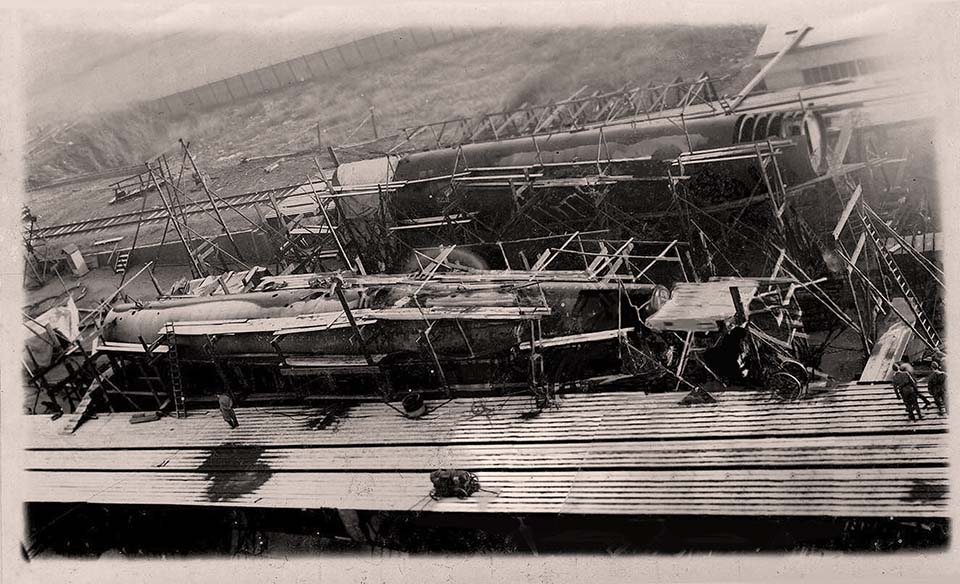 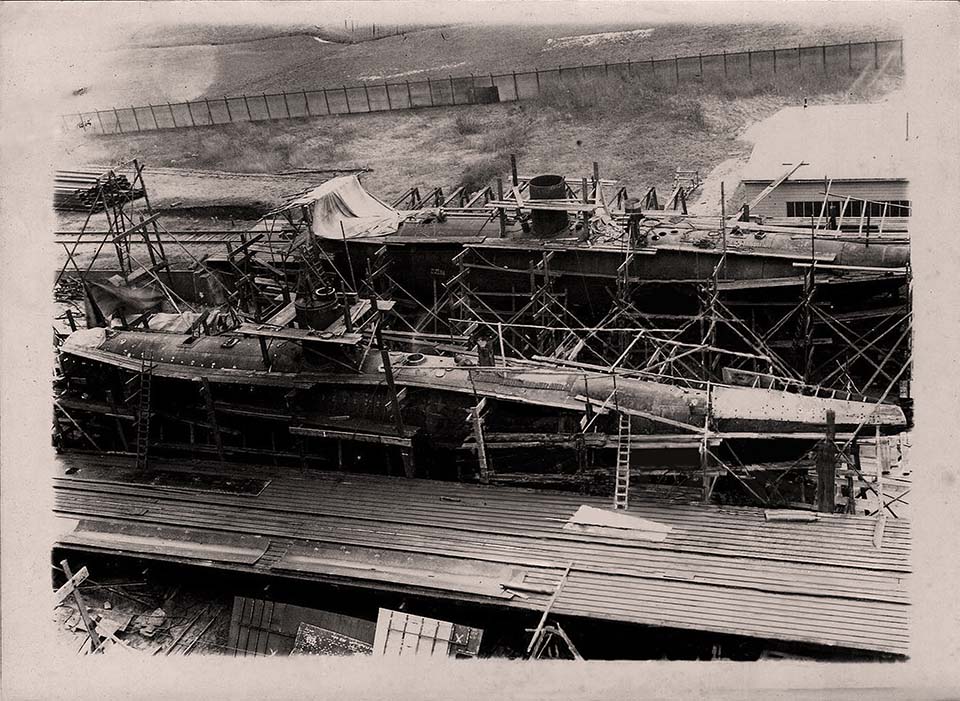
(Figure 4-8-6) (Figure 4-8-7) Confidential photos of different stages of construction of the "HAPRO Submarine Case" at the Lübeck Flender-Werke.
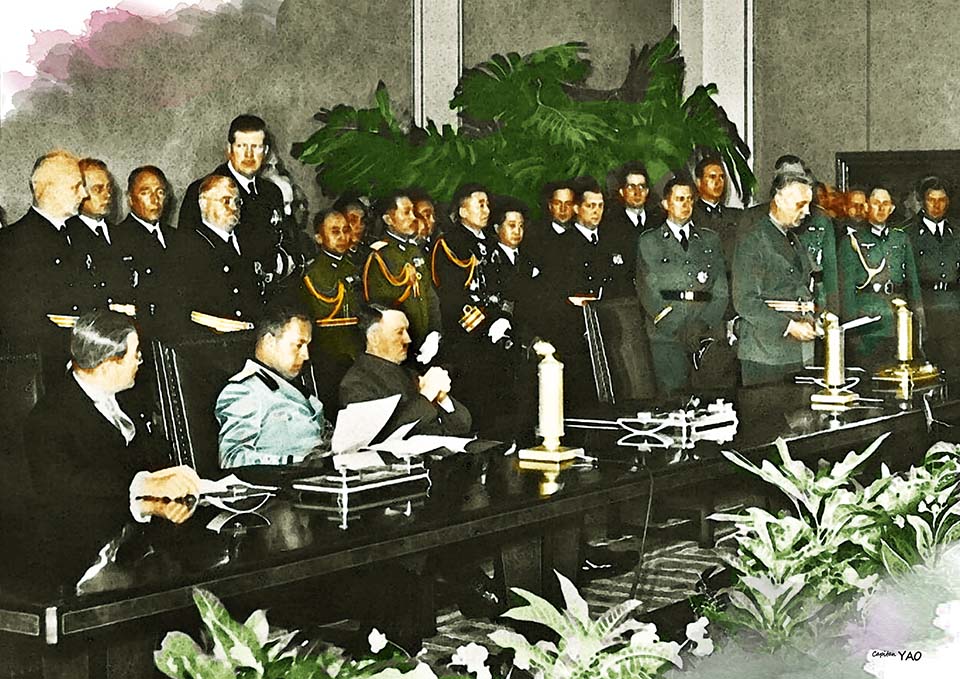
I replied: "The beef is coming up. It can only be sent by mail. If you don't like it, I think the Navy would be very interested." Kawashima immediately replied: "My dear brother, I apologize. Send it quickly." The Japanese, who were initially hesitant about joining the Axis alliance and turned a blind eye to German-Chinese arms deals, were shocked to discover that the Germans were actually selling "Extra-large war toys" to China after receiving this information. They became anxious and proactive, signing the "Protocol Concerning Italy's Accession to the Anti-Comintern Pact" in November of that year. On September 27, 1940, representatives of Germany, Italy, and Japan signed the "Tripartite Pact" in Berlin, formally establishing the Axis alliance. Ribbentrop's objective was achieved. When Japan and Germany formed an alliance, helping China build submarines became inappropriate. Materials were diverted, the construction period lengthened, and it was eventually cancelled entirely. All Chinese trainees were sent home, and the two submarines were taken over by the German Navy for training. My objective was achieved.
(Figure 4-8-8) The signing ceremony of the Tripartite Pact between Germany, Italy, and Japan. From left to right: Japanese Ambassador to Germany Saburo Kurusu, Italian Foreign Minister Count Ciano, Adolf Hitler, and Nazi Foreign Minister Ribbentrop standing and speaking.
Some might wonder, what benefit did Britain gain from forging the Axis alliance? This is the brilliance of this strategy. Britain anticipated an inevitable war between the US and Japan in the Pacific, which would then force the US to declare war on Germany due to the Axis alliance. This was precisely what Britain needed. Without the Axis alliance, even if the US and Japan went to war, they might not necessarily declare war on Germany, as the US lacked a strong motivation to wage war against Germany.
The US entry into World War I was a decisive factor in Britain's victory. That time, a German submarine sank a British steamship carrying several Americans, which Britain publicized extensively, effectively binding the Americans to its side. This time, the Americans had learned their lesson and wouldn't fall for it again; a more solid reason was needed: the Axis alliance.
Britain's core interests weren't in the Far East, and it didn't have an absolute conflict with Japan, willing to sacrifice anything to defend its homeland. The conflict with Japan lay with the US, and a war between the US and Japan over the Pacific was inevitable. For Britain, this war couldn't be delayed; it needed to join when Britain and Germany went to war. Therefore, Britain was optimistic about the Axis alliance, and the sooner the better.
Britain's plan was to drag the United States into the war against Germany through the conflict in the Far East, and this proved to be true. The United States declared war on the Axis powers because of the Japanese attack on Pearl Harbor, but Germany and Italy had no military conflict with the US, yet the US declared war on them. This was entirely due to the Tripartite Axis alliance.
Chen Shaokuan's stance in this case is most suspicious. The contract was signed on June 9th, and less than two months later, the Battle of Shanghai broke out, initiated by China. Chen Shaokuan also set up the Kiangyin blockade line to prevent any ships from sailing up the Yangtze River. He should have known this would happen when the contract was signed. By the end of 1937, the entire Chinese coastline was under Japanese control, rendering submarines useless. Logically, Chen Shaokuan should have immediately canceled the submarine contract, even if it meant losing the deposit. However, he allowed the submarines to continue construction until the signing of the Tripartite Axis alliance in 1940, when Germany unilaterally terminated the contract. What was Chen Shaokuan thinking? This warrants further investigation.
This incident dates back even further to the First Battle of Shanghai in 1932. At that time, the Chinese Navy not only failed to support the 19th Route Army's resistance against the Japanese, but Chen Shaokuan also ordered that the Japanese fleet not be attacked. He even held a celebration with the Japanese Navy in Amoy. After the incident, the Control Yuan impeached him, demanding his dismissal and even execution for treason. However, Chen Shaokuan remained unmoved and continued to order two cruisers from Japan. As a result, they were completely useless once the war began, sunk by the Japanese, salvaged, repaired, and used by the Japanese. At the time, some suspected that the two cruisers were actually built for the Japanese Navy. Comparing the 1932 precedent with the 1937 "Hebulou Submarine Case" raises many questions.
While it seems unlikely that Chen Shaokuan would have defected to the Japanese after following Chiang Kai-shek to Chungking, a detail should be noted: the Fookian clique's stronghold was in Fuchow. The Japanese had controlled the entire Chinese coastline by the end of 1937, yet they only occupied Fuchow until April 1941. Was the Japanese incapable of occupying it? Of course not. So what was the point of keeping Fuchow there? Was it related to Chen Shaokuan? If the submarines had been delivered and returned to China as scheduled in 1940, Chen Shaokuan might have followed the example of Wang Kingwei, fleeing from Chungking to Fuchow, using these submarines as capital to establish a regime under the Japanese wing. This is not an unfounded inference. Before the war, the Fookian-based navy considered Fookian its territory, not allowing outsiders to interfere, essentially a warlord regime. However, when the Axis alliance was signed, Germany could not continue the submarine contract, and the Japanese occupied Fuchow in April 1941. From then on, Chen Shaokuan had to lie low in Chungking, no longer harboring any thoughts of becoming a "traitor."
This case came to light in 1954 when the Kuomintang came to Taiwan. Due to a lack of government funds, they suddenly remembered that there seemed to be an advance payment of ten million marks. If it could be recovered, it would be a small relief. Therefore, Chiang Kai-shek established a special task force in the Executive Yuan to promote this, with Navy Commander-in-Chief Li Yuhsi in charge. Chiang Ching-kuo, then Vice Minister of National Defense, didn't trust him much and privately asked for my opinion. Of course, I couldn't say that I ruined the case back then, but I still analyzed several key points to consider:
1. Whether the banks and shipyards handled by Germany still held their legal status after the war, and whether their responsibilities continued—in other words, the issue of identifying debtors.
2. Whether the current Taiwanese government is a continuation of the former Chinese government. This is a sensitive topic, but it's essential to prove one's status as a creditor.
3. The signatory and account name is Chen Shao-kuan, who remained on the mainland after 1949. Initiating this case requires preventing the CCP from asserting its claims.
4. How is the exchange rate calculated between the Nazi German mark and the West German mark today? Does the West German government have any obligation to assume the debts of former Nazi Germany?
5. The HAPRO Company had many transactions back then. Are all payments confirmed to be in full? We don't want to find that upon checking the accounts, not only can we not get our money back, but we also owe money to others.
As I predicted, things developed in the end. Chiang Kai-shek had no choice but to order the case to be sealed off and the task force to be disbanded.
|