9. The Tsar's Family
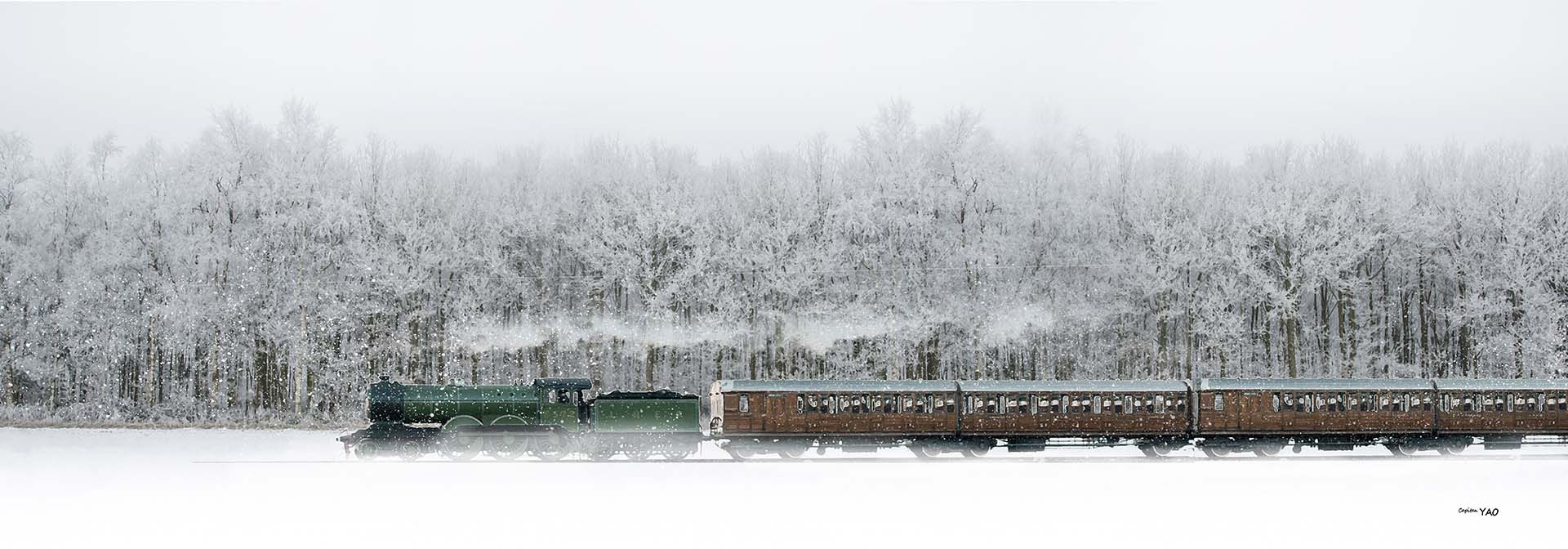
(Figure 1-9-1) Sir Draken, serving as the King’s Plenipotentiary, traveled with Paul to St. Petersburg by the Trans-Siberian Railway.
Britain and Russia were both Allied powers in the European war, jointly resisting the fierce offensive of the German Empire on the Eastern and Western fronts. This led to a significant increase in military, political, and intelligence coordination between the two countries. Because of his outstanding performance during the Russo-Japanese War, my father was appointed as the British Crown Plenipotentiary, stationed in St. Petersburg, Russia, specifically to communicate with the Russian Emperor and his courtiers on major strategic decisions between the two nations.
My father was actually reluctant to leave China at this time because he had not yet found the Loulan princess, but the Ministry of Foreign Affairs repeatedly sent urgent telegrams urging him to leave. In the end, he had no choice but to take me with him alone in the summer of 1915 and travel by Trans-Siberian Railway to St. Petersburg to take up his post. The journey was very boring. Sometimes we would travel for several days and all we could see were birch forests. It took us more than ten days to finally arrive in St. Petersburg on the Baltic Sea.
St. Petersburg is a beautiful city, filled with canals, rivers, and bridges, the main one being the Neva River. Its cream-yellow palaces evoke images of sunny seasons, making one forget its gloomy, damp winters. Located in westernmost Russia, very close to Finland, St. Petersburg served as a window for Russia to embrace Western civilization, quite different from Moscow, another Russian city.
Although the war was progressing against Russia, the upper echelons of St. Petersburg's society continued to host banquets and dances every night. My father, upon arriving, immediately used his social skills to his advantage, quickly making acquaintances with many Russian nobles and officials at these events. I once asked my father when he learned to speak Russian, and he laughed and replied that he had never spoken Russian; in St. Petersburg's upper echelons, French was the language!
In early August 1915, Sir Dreken formally met with Tsar Nicholas II of Russia. The two had a very pleasant conversation, and the Tsar introduced his family and expressed his hope that my father would bring me to the palace next time. The Tsar's special regard for the British was understandable, as Nicholas II's wife, Alexandria, was Queen Victoria's granddaughter (Alexandria's mother, Princess Alice, was Queen Victoria's second daughter, who married into the German royal family and gave birth to Princess Alexandria. Therefore, the royal families of Russia, Britain, and Germany were related by marriage or cousins). My father observed that the Tsar was a monarch who valued family.
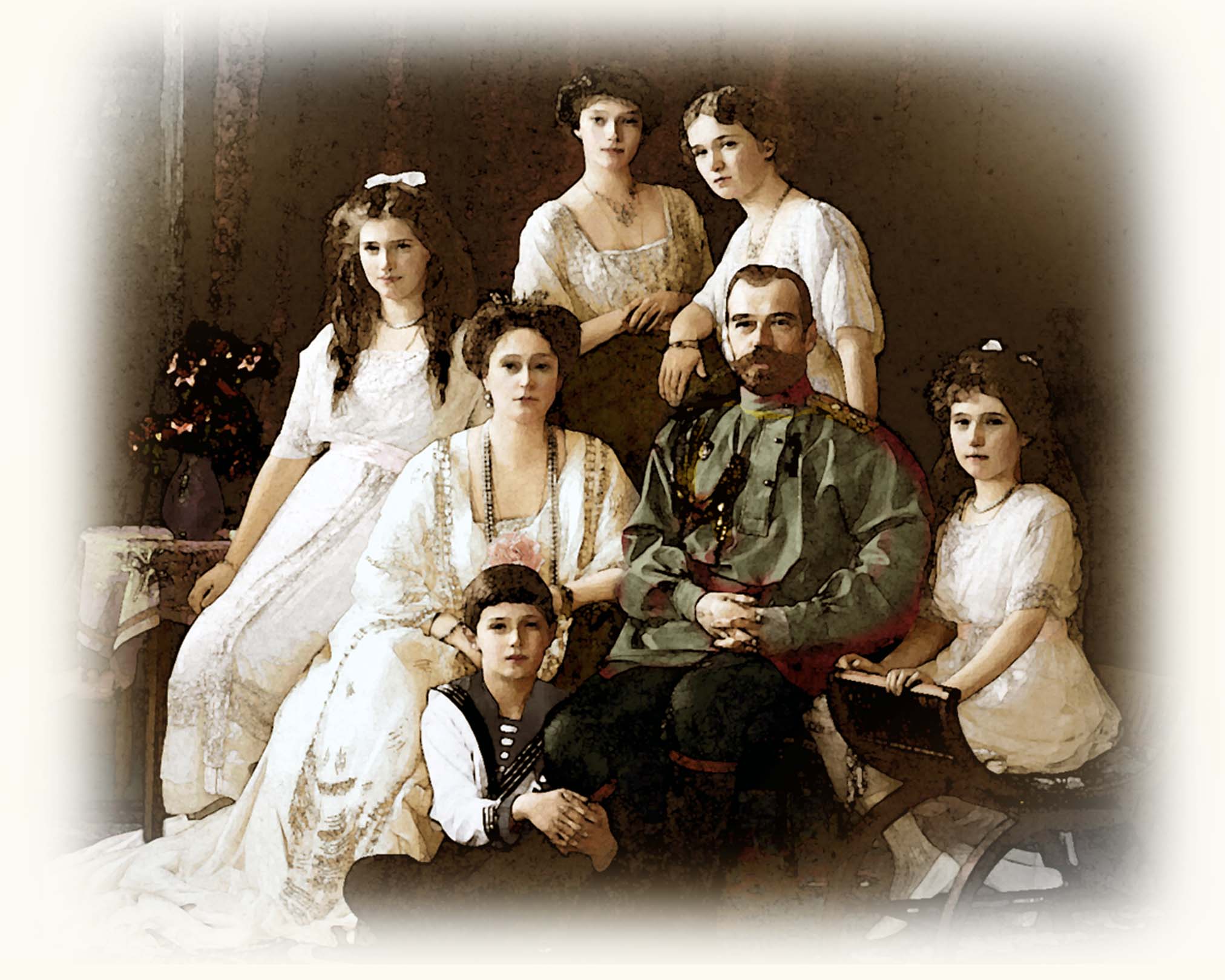
(Figure 1-9-2) A family portrait of Tsar Nicholas II, with Princess Anna Stasia on the far right.
My father took me to the palace a second time, and I was eight years old then. Nicholas II had four daughters: Olga, Tatiana, Maria, and Anastasia, and a son, Alexei. Because we were close in age, Anastasia and Alex got along better. They could speak some English and French, and I took the opportunity to learn some basic Russian. We quickly became friends. They loved listening to my stories about China. When I told them I had played with tin soldiers on the ground with the Chinese emperor, everyone's eyes widened. I promised to introduce Henry to them sometime.
Princess Anna Stacia was born on June 5, 1901, and was quite beautiful at the age of 14. She loved music, painting, photography, watching movies, talking on the phone, outdoor activities, and playing games. She had two dogs, whose names I remember were Shibzig and Jimmy. Empress Dowager Maria Fydorovna doted on her and often summoned her to her palace near the Anichkov Bridge. I went with her once.
I loved listening to Anna sing; her voice, like wings, carried my imagination to every corner of this vast country. We both loved to draw, and we exchanged our works. Anna gave me a very cute self-portrait. Although she was six years older than me, her simple upbringing in the palace made her seem somewhat childlike.
Anna Stasia often led me around the palace, and I found it quite amusing that the elegantly dressed ministers, generals, noblewomen, guards, and servants would bow to us. But one time, when we saw a priest in a black robe with a long beard standing at the end of a corridor looking at us, Anna immediately pulled me back and ran in another direction, which puzzled me greatly.
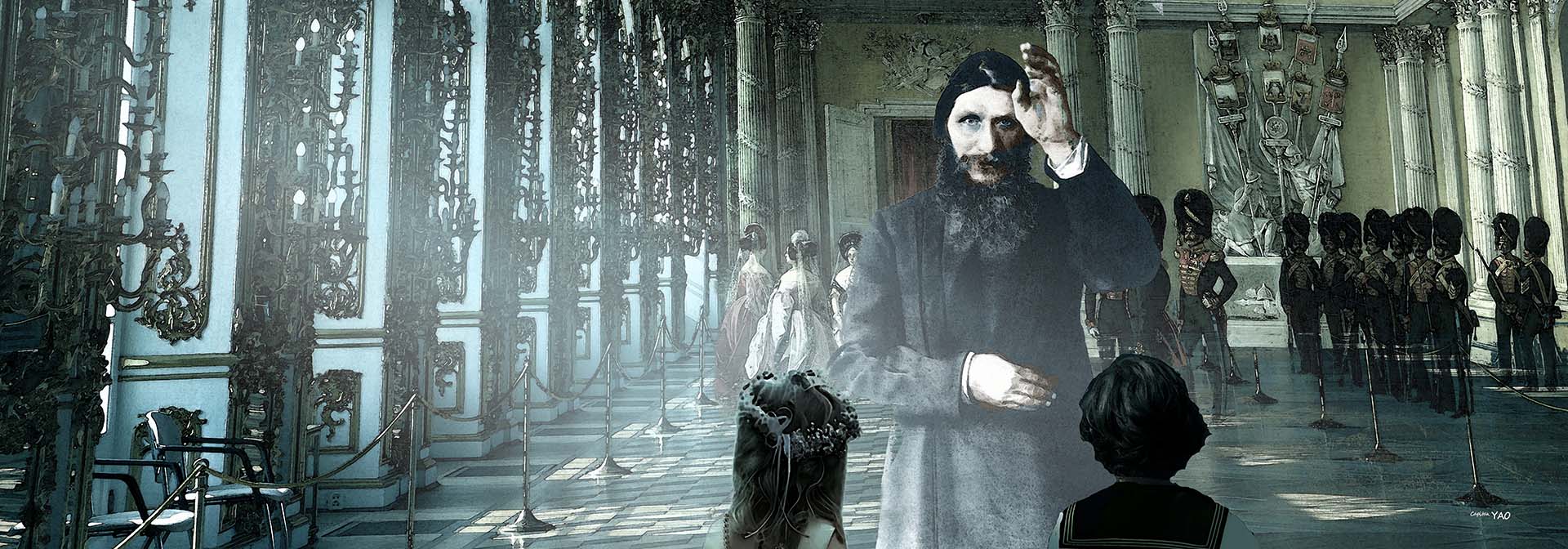
(Figure 1-9-3) Paul's first encounter with the eccentric monk Rasputin.
"Who is he? Why are we running for our lives like this?"
"Run! I'll tell you later!"
We ran into an empty room and closed the door. Anastasia leaned against the wall, panting, and said, "He's a priest who came to heal my brother, named Grigory Rasputin. I don't like seeing him!"
"Treatment? What kind of illness?"
"My younger brother has a strange illness; he bleeds uncontrollably whenever he gets injured. My mother somehow found him to treat him, but I find him terrifying. I think the way he looks at my older sisters..."
I saw that Anastasia was pale and seemed genuinely terrified, so I comforted her, saying, "Let's not talk about him then!" She rested her head on my shoulder and sobbed. I wiped away her tears and kissed her cheek. This was the first time I had seen the eccentric monk Rasputin.
Later, I asked my father and learned that Prince Alex had hemophilia. Because Queen Victoria of England was a carrier of hemophilia, many princes and princesses throughout Europe inherited the disease through political marriages between royal families. All five of the Tsar's children carried the gene, but only Alex, being male, suffered from hemophilia, exhibiting symptoms such as uncontrollable bleeding. When I played with him, I was always warned to be extra careful, and after a while, it became boring, so I spent most of my time with Anna Stasia.
Alex's illness caused his parents great distress. Then, a strange Orthodox monk named Rasputin from Siberia appeared in St. Petersburg. He seduced the Queen through his connections with noblewomen. Alexiandra was overjoyed upon hearing the news and immediately brought him to the palace to treat Alex's illness. Rasputin used some strange method to temporarily alleviate Alex's condition, and the Queen became extremely fond of him, eventually even to the point of obeying his every word.
After gaining the Queen's favor, Rasputin made a great show of it, leading many to believe that he was having an affair with her. However, my father told me that based on his understanding of the Queen, this was impossible. Rasputin also disregarded the princes and ministers, even sleeping with their women, which aroused the hatred of the nobles, who unanimously resolved to eliminate this scourge.
On a cold night, December 30, 1916, after a heavy snowfall in St. Petersburg, Prince Feliks Yusupo, Vladimir Mitrofanovich Purishkevich, and Duke Dimitry Pavlovich invited the lecherous Rasputin to Yusupo Palace under the pretext of introducing him to the Tsar's beautiful niece.
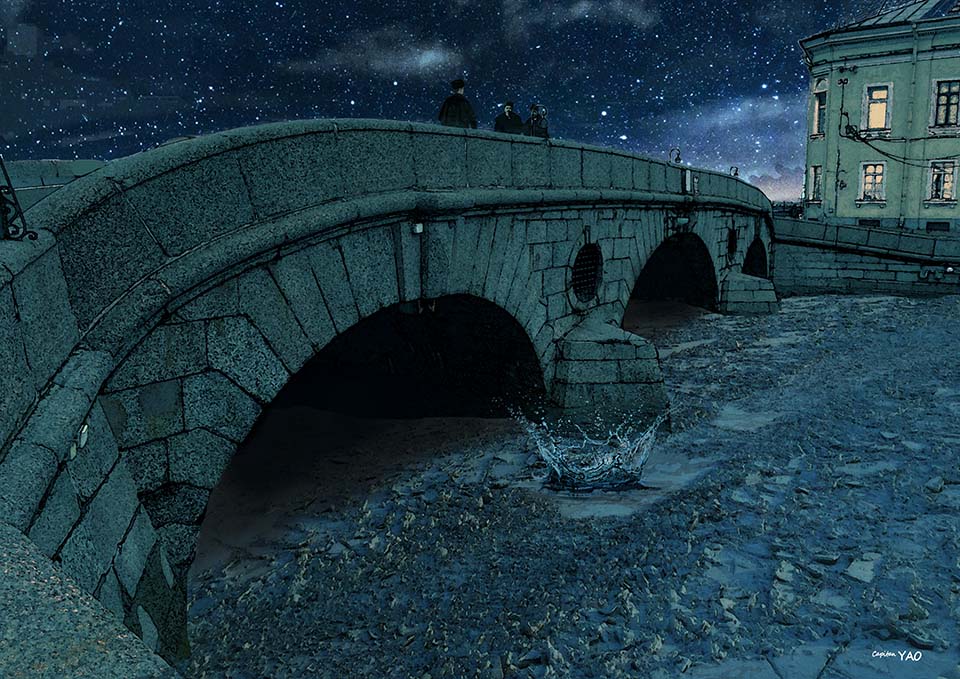
(Figure 1-9-4) Rasputin’s body was bound with stones and thrown into the Neva River.
While they waited, they solicitously offered Rasputin poisoned cake, tea, and wine, but after several hours Rasputin remained completely unharmed and kept asking them why the beautiful woman hadn't arrived yet.
Seeing that he could no longer delay, Prince Yusupov took out his pistol and fired a shot at Rasputin. Rasputin fell to the ground, and the three men, thinking he was dead, left Yusupov Palace to leave. However, Rasputin suddenly got up from the floor and chased them to the courtyard. Priscilla had no choice but to turn back and shoot him again, then tightly bind his body with stones and throw it into the icy Neva River.
There are many rumors about Rasputin's death in St. Petersburg. One is that Rasputin knew before he went to the appointment that night would be his last. He swore a poisonous oath that if the Queen wanted him dead, he would gladly die, but if the princes and nobles plotted to kill him, he cursed all members of the royal family and nobility to die within two years! Whether this curse came true or not, of course, everyone knows later.
Whenever my father told this story, I felt as if Rasputin were peering at me through a dark windowpane, sending chills down my spine. My father thought Rasputin bore a striking resemblance to the Qing Dynasty's Grand Preceptor he met in the Dunhuang caves in 1907. Once, he and Rasputin unexpectedly met in the palace; they stared at each other intently until they turned away, and my father said he felt as if he had seen a ghost.
My father had a peculiar argument: that Rasputin might be the reincarnation of Nalan Changshu, the Grand Preceptor of the Ch'ing Dynasty, after his death in 1908. Otherwise, how could one explain how an ordinary priest from Siberia suddenly began to possess such divine power in that year? I have no comment on that.
Interestingly, a few years ago, an intelligence strategy research unit in the United States (I'm sorry I can't reveal the name) somehow learned about my experiences in the Tsarist court and asked me through intermediaries whether the newly elected Russian President Vladimir Putin was Rasputin's great-grandson. How would I know? But the two do look somewhat alike.
According to his father's theory, the key is not whose descendant he is, but whether he has been possessed by a great master. So even if President Putin is indeed Rasputin's great-grandson, he probably doesn't know how to cast spells.

One of the most important tasks assigned to Sir Draken in St. Petersburg was to oversee intelligence operations, which led him to witness firsthand the factionalism within the army and navy intelligence units. In late May 1916, an embassy telegraph operator secretly informed my father that he had intercepted a British destroyer sending clear telegrams to the Admiralty stating that the mines in the waters west of Orkney had been cleared. This was clearly telling the enemy that we had important ships passing through the area. My father also felt something was amiss and went to ask Lieutenant Commander John Godfrey of the Naval Intelligence Group. The Lt. Commander said mysteriously, "This is a secret operation by our naval intelligence group, and we cannot disclose it." "You cannot tell me, but I believe the German intelligence listening stations have received all the messages." "That's exactly what I want them to receive!" Lt. Commander Gaffrey said. "That way they'll go there and lay a lot of mines, which is a complete waste." "I understand! It's a fake telegram, but we still need to notify the operations department to prevent our ship from accidentally entering a minefield!" "Then it won't be a secret operation, Mr. Draken!" Lt. Commander Gaffrey said. "Besides, that route is very remote and our ship rarely uses it, so there won't be any problems." "I hope so!" Seeing that Lt. Commander Gary insisted on his opinion, the father said nothing more. On the morning of June 6th, Sir Draken saw Major General John Williams, the British Chief Military Attaché to Russia, looking dejected. His father asked him, "What's wrong?" Major General Williams said, "I have just received a coded telegram from London that Lord Horatio Herbert Kitchener, the Secretary of State for War, secretly traveled to Russia yesterday aboard the cruiser HMS Hampshire with a military advisory group. Shortly after leaving port, the warship struck a mine and sank, and the Secretary, along with 50 military advisors and all the crew members, perished!"
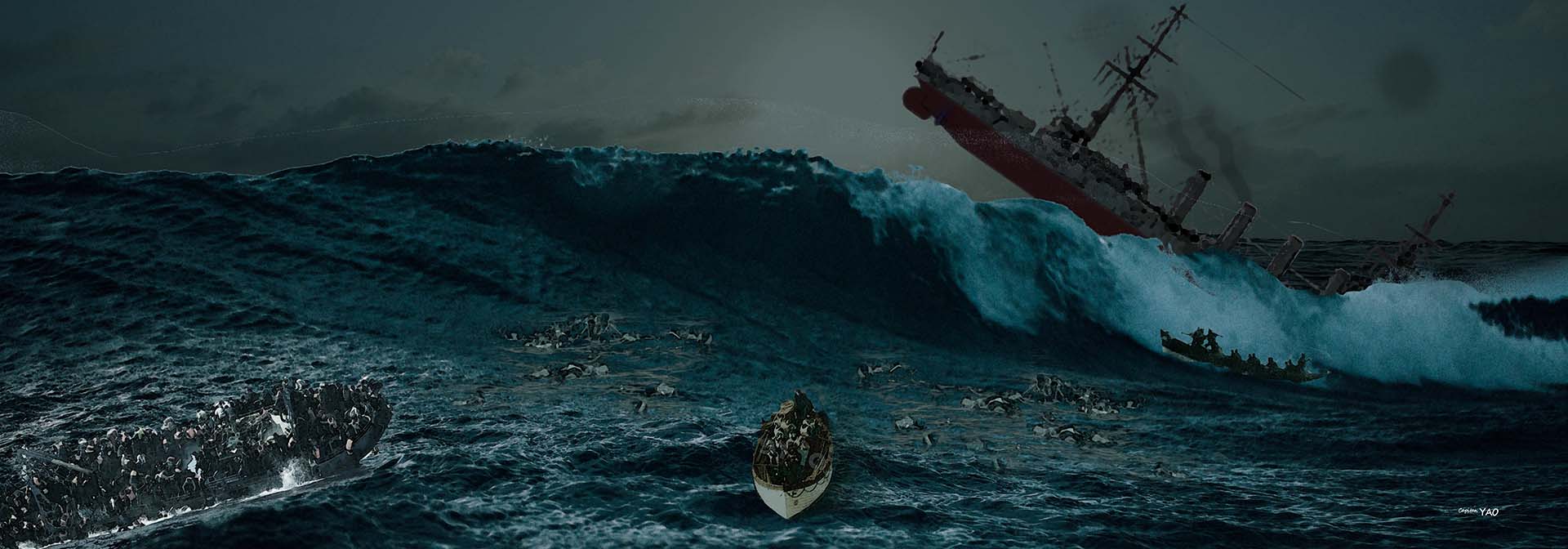
(Figure 1-9-5) The cruiser HMS Hampshire, which was carrying the Minister of War and a group of military advisors to Russia in secret, struck a mine and sank. Upon hearing the news, the father was shocked and asked, "Where did you trigger the landmine?" "West of Orkney, Marwick Head!" said Major General Williams. The father asked, "Didn't the naval intelligence group inform you about the deception operation in that sea area?" "What deception operation?" Major General Williams was completely bewildered. After a moment's thought, he began to curse, "These bastards even kept it from me, causing the Minister of War and hundreds of others to lose their lives in vain!" "Didn't your Army intelligence unit also conceal such an important matter as the Kitchena advisory group's visit to Russia from me?" The father coldly replied, "It was your army and navy intelligence units' internal strife that killed the minister!" Major General Williams then lowered his head and remained silent.
It was only after the war that it was learned that Germany had indeed intercepted the British destroyer's telegram on May 26th and had indeed taken the bait, sending the submarine U75 to lay a large number of mines in that waterway. However, the naval intelligence group did not notify the operations department for secrecy. Coincidentally, the Secretary of War and his advisors chose to travel this secluded waterway during their visit to Russia, hoping for stealth, which ultimately led to the tragedy. In addition to Lord Kitchener, H.J. O'Beirne, a colleague of my father's at the Foreign Office, also perished on the same ship as the Secretary of War. This incident was treated as a top secret by the British government during the war, and the reason for it was never disclosed after the war.
Lord Kitchener was a veteran of military intelligence, having worked in intelligence operations during the wars in various African colonies in the 19th century and also served as Governor-General of Egypt. At the outbreak of the European war, he served as War Secretary, responsible for rapidly expanding the British Army from a few hundred thousand men to three million in the shortest possible time. The famous "Your Country Needs You!" recruitment poster features a mustachioed officer pointing forward – that is Lord Kitchener. This poster was later used by the United States in 1917 when it entered the war, only this time replacing Lord Kitchener with Uncle Sam and changing the slogan to "I Want You!"
Lord Kitchener's mission to assist Russia in its fight against the Germans, leading a British advisory group, was undoubtedly a prime target for German submarines, necessitating extreme secrecy. Tragically, he was betrayed by his own people. My father angrily sent a secret telegram to London, vehemently denouncing the internal strife between army and naval intelligence units as the primary cause of this major disaster. The government finally decided to establish a unified military intelligence unit: "MI5," responsible for domestic counter-espionage, and "MI6," responsible for foreign military intelligence. My father had served as an advisor to "MI6" for a long period after returning home.
Intelligence work in St. Petersburg primarily involved understanding the Russian army's combat capabilities and assessing the development of the war situation. This was closely related to British interests, because if the Russian army collapsed, the German army would redeploy troops from the Eastern Front to the Western Front, greatly increasing the pressure on Britain and France. Encouraging the Tsar to commit more troops to contain the German army became Baron Draken's most important task in Russia, even though anti-war sentiment was very strong within the country. Due to the incompetence of aristocratic generals, the Russian army suffered repeated defeats on the Eastern Front, resulting in millions of casualties. The high mortality rate and the large number of wounded soldiers returning home created social unrest. Furthermore, the cunning German intelligence deliberately sent Lenin (Vladimir Ilyich Lenin) back to St. Petersburg via Finland on April 16, 1917, hoping to use the Communist revolution to overthrow the Romanov dynasty from within. The British Foreign Office always played both sides, and telegraphed my father requesting him to secretly contact Lenin. My father had already thought of this move and telegraphed Fukushima Yasumasa, whom he had met in Peking, for assistance. This was because Fukushima's apprentice, Akashi Motojiro, was the one who had discovered Lenin's role in disrupting the rear of Imperial Russia during the Russo-Japanese War. However, by this time, Fukushima had already retired from active service as a general, and it was too late. The Tsar had abdicated a month earlier, and St. Petersburg was in chaos. Although I was very close to Anna Stasia, I believed that her father, Nicholas II, was both superstitious and undemocratic, only knowing how to use Cossack cavalry to suppress demonstrators and workers and students, ultimately leading to his isolation and alienation from the people. In early 1917, a general strike of 210,000 workers broke out in St. Petersburg. The Tsar misjudged the situation and dissolved the Duma (Reichstag) on March 11 and arrested opposition members. On the 12th, a full-scale riot broke out in St. Petersburg. At this point, even the lower house of the Russian parliament, with the support of the military, demanded that Nicholas II abdicate. With his power waning, he had no choice but to announce his resignation on the 15th, and Alexander Kerensky formed a provisional government, which is known as the "February Revolution".
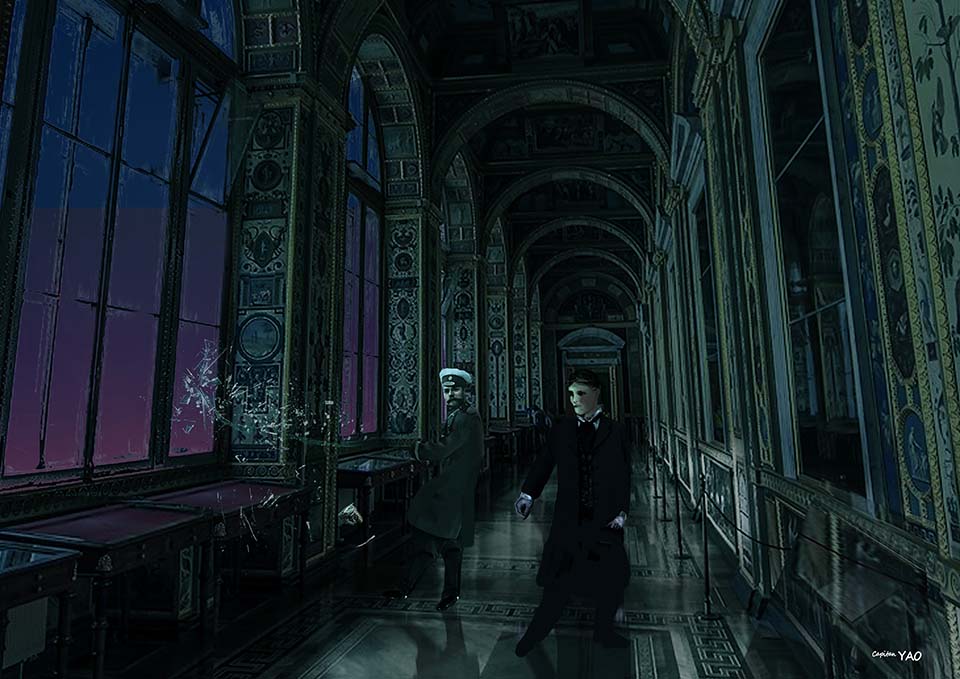
(Figure 1-9-7) Sir Draken and the Tsar were discussing their escape plan by the window when a stone thrown by a mob shattered the windowpane.
After his abdication, Nicholas II originally planned to flee to Britain to seek political asylum, a matter initially arranged by my father, Sir Draken. One day, he went alone to the palace, which was surrounded by a mob, to meet Nicholas II. The two of them stood on the side of the corridor and had a private conversation.
"I have already telegraphed His Majesty's instructions to our Emperor, and there has been no further news yet. However, given the relationship between the Empress and our Imperial Family, and the alliance between our two countries in declaring war on Germany, this matter is certainly not a problem," the father said confidently. "I think it's time to discuss the details of how to leave St. Petersburg!"
"James, you're my friend, we agree with whatever you say."
"The best option would be to go out to sea by boat. We can arrange for a British warship to pick us up on the surface. Once we're on board, there won't be any problems. However, it's inconvenient for British warships to enter the Neva River. I wonder if Your Majesty could dispatch a gunboat loyal to the Royal Family to take everyone out to sea?"
"We must keep that cruiser on the Neva River under control, or we'll all be finished if it fires one shot."
The Tsar was referring to the cruiser Aurora, a three-furnace ship moored on the river. She had participated in the Russo-Japanese War and was one of the few surviving warships from that battle; she was currently serving as the garrison commander of St. Petersburg. While her eight 6-inch main guns were insignificant in naval warfare, they were more than enough to bombard the palace at such close range.
Just then, a stone thrown by a mob shattered a window and fell into the room, scattering shards of glass all over the floor. The father and the Tsar quickly dodged.
"I'll try to find a way." The father took out a paper airplane and said, "Actually, we could try an airplane. I spoke with Lieutenant Dmitri Korniloff, a naval aviator loyal to the royal family. He can arrange for a seaplane to take off from the river, but that would only allow His Majesty to ride alone, with a child at most..."
"Only one child? How am I supposed to choose? No, no! I absolutely cannot abandon them..." At this moment, the Tsar suddenly had a flash of inspiration and said, "Perhaps you can take your son and fly out on this plane to England to tell my cousin that you should ask him to send a fleet to pick us up." The cousin the Tsar mentioned was King George V of England.
"If that's your wish, I'll arrange it immediately. Please also write a private letter for me to take with you," the father said, handing the paper airplane to the Tsar, seeing that the Tsar's mind was made up. "This is a gift from Paul to Princess Anna Stasia. Please pass it on to her. He wishes you a swift flight out of St. Petersburg!"
We left in a hurry. After receiving the Tsar's personal letter, my father and I squeezed onto Lieutenant Khonirov's seaplane, which took off from the river. It was my first time flying, and I was both nervous and excited. A British destroyer had been arranged to meet us at sea. After flying for a short while, Khonirov pointed to a long, narrow warship below. After my father confirmed it, he landed the plane next to the warship. The sailors helped us board the ship, and then it sped away.
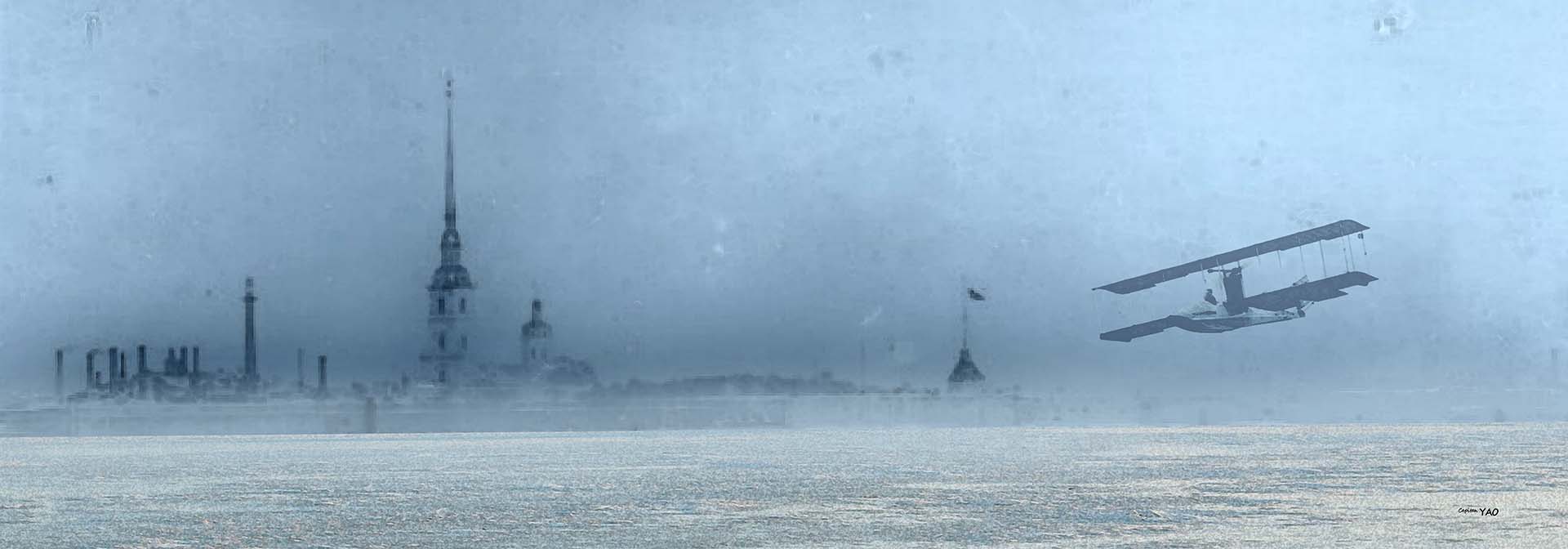
(Figure 1-9-8) A Russian Navy seaplane takes off from the Neva River, carrying the Sir Draken and his son away from St. Petersburg. Upon our return to London, my father immediately went to the palace to present the Tsar's letter. The King read it without uttering a word, saying he would summon his ministers to discuss it, and then dismissed my father. We later learned that Britain had taken no action; it turned out that George V, fearing the chain reaction of revolution, had rejected his cousin's pleas for help. This shift was also evident in his cooperation with Alexander Vasilyevich Kolchak, the military leader of the Russian Provisional Government. At the time, Kolchak was in Japan and had already obtained British consent to come to London for negotiations. However, the government's attitude changed at the last minute, preventing Kolchak from passing through Singapore. He was forced to return to Russia, where he was ultimately defeated and killed. My father has been extremely busy lately. In addition to dealing with the Russian Civil War, he was also ordered to return to China. Before leaving, he had to arrange my boarding school. This was my first time in England, and everything was unfamiliar. My only relative was not by my side. The Tsar's family ultimately failed to escape St. Petersburg. On the night of November 7, 1917, the searchlight of the cruiser Aurora shone on the Winter Palace, and the sailors on board fired the first shot of the Communist Revolution. The Bolsheviks overthrew Kerensky's provisional government and stormed the palace to arrest the Tsar's entire family. This is the so-called "October Revolution".
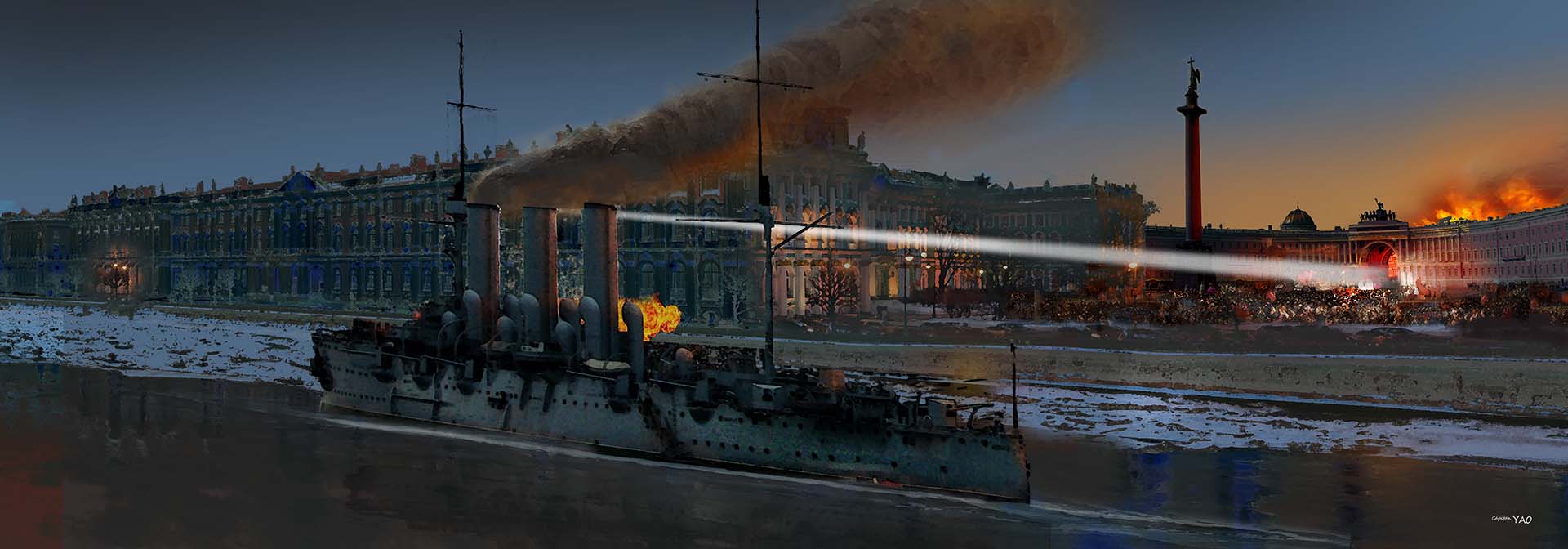
(Figure 1-9-9) On the night of November 7, 1917, the cruiser "Aurora" fired the first shot of the Communist Revolution at the Winter Palace. On July 17, 1918, the entire Tsarist family was executed by firing squad in Yekaterinburg, at the foot of the Ural Mountains. Those executed included Nicholas II, Empress Alexiandra, their daughters Olga, Tatiana, Maria, and Anna Stasia, their son Alex, and some of their attendants. The brutal communists shot and stabbed them with bayonets, then poured strong acid on their bodies to dissolve them. Their remains were buried in a large pit in the forest without any markings. My father had known about this long ago through intelligence channels but never told me.
|