9. The Sino-Japanese War
1937 was an eventful year. On July 7, the Japanese North China Garrison Army clashed with the Chinese troops stationed outside Peiping at Marco Polo Bridge (Lugou Bridge). However, a few days later, the two sides signed a ceasefire agreement in Peiping. As with many regional conflicts in the past, with the Chinese side making concessions and Japan not intending to escalate the conflict, both sides restrained their troops, and the conflict was quickly quelled. Our intelligence group also breathed a sigh of relief. This is the "July 7 Incident" that is often mentioned in Chinese history textbooks as the beginning of the War of Resistance against Japan.
But this time it seemed different from the localized conflicts of the past. After the two sides signed the armistice agreement, Japan transferred three divisions from its own country to reinforce the area. Starting on July 28, the Japanese army suddenly launched a large-scale attack on Nanyuan, a suburb of Peiping. The Chinese army suffered heavy casualties. Starting on July 30, the Japanese army occupied Tiantsin. On August 4, the Chinese army voluntarily withdrew from Peiping. The Japanese army entered the Forbidden City without bloodshed. Both Peiping and Tiantsin, the two most important cities in North China, fell into Japanese control. Our nerves were on edge again.
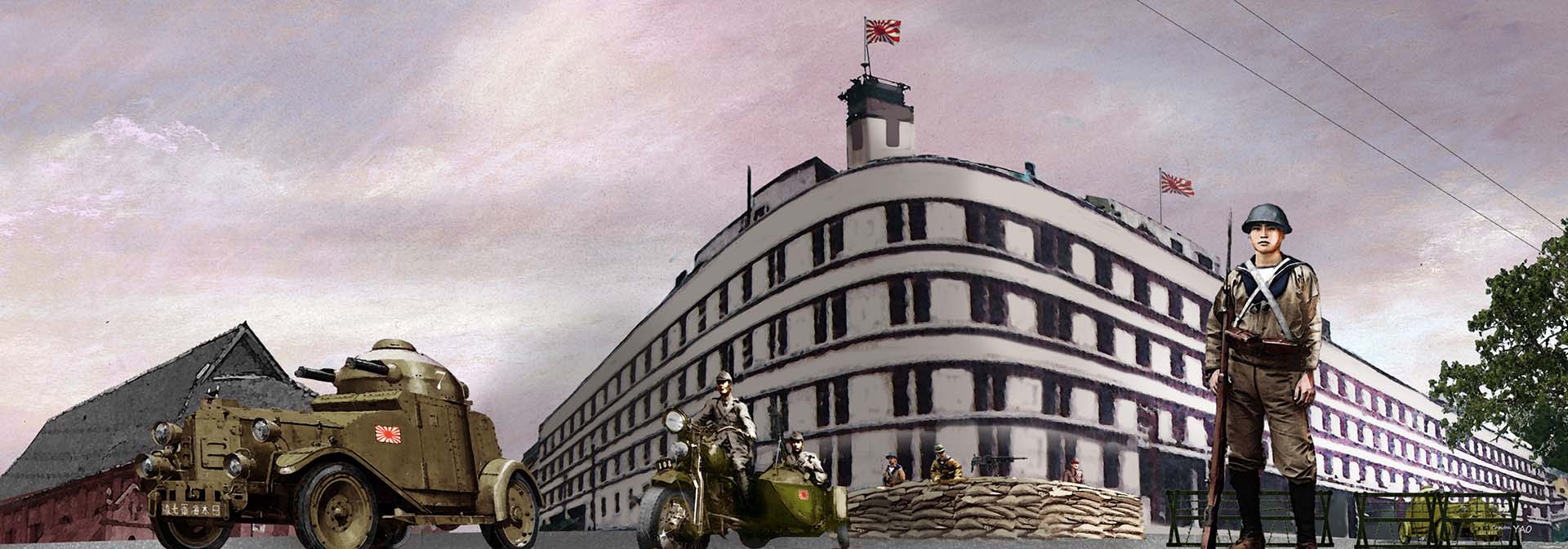
(Figure 4-9-1) The headquarters of the Japanese Special Marine Corps on North Sichuan Road in Shanghai resembled a giant fortress. Regarding the team leader's assumptions, I always sensed something amiss though couldn't quite put my finger on it. His reasoning was fundamentally Western in logic, purely military in deduction. Yet the Chiang Kai-shek I understood wasn't a purely military commander; he seemed more like a political general—or to put it bluntly, a politician in uniform! I suspect Chiang's calculation hinged on Western intervention. The Nine-Power Treaty Conference was scheduled for November in Brussels, Belgium. If Chinese forces could hold out until then, tensions between Japan and the Western powers would likely escalate. Perhaps there might be an opportunity to replay the old scenario of the ‘Three Powers' Intervention to Restore Liaodong
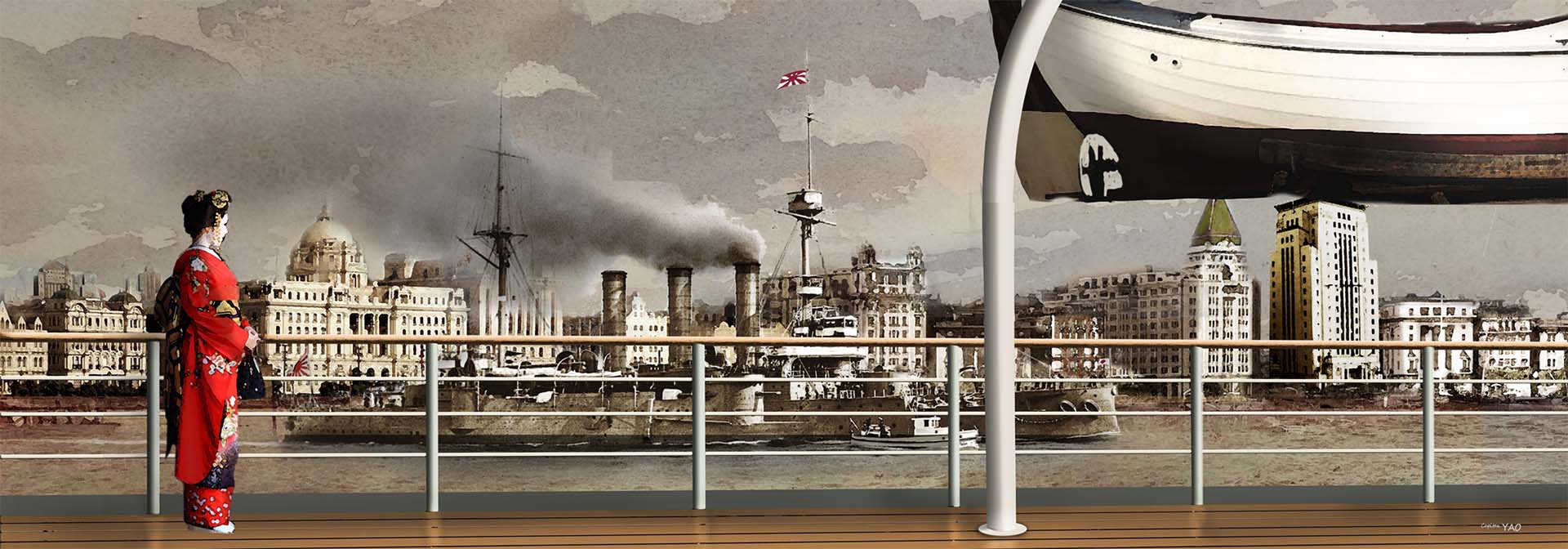
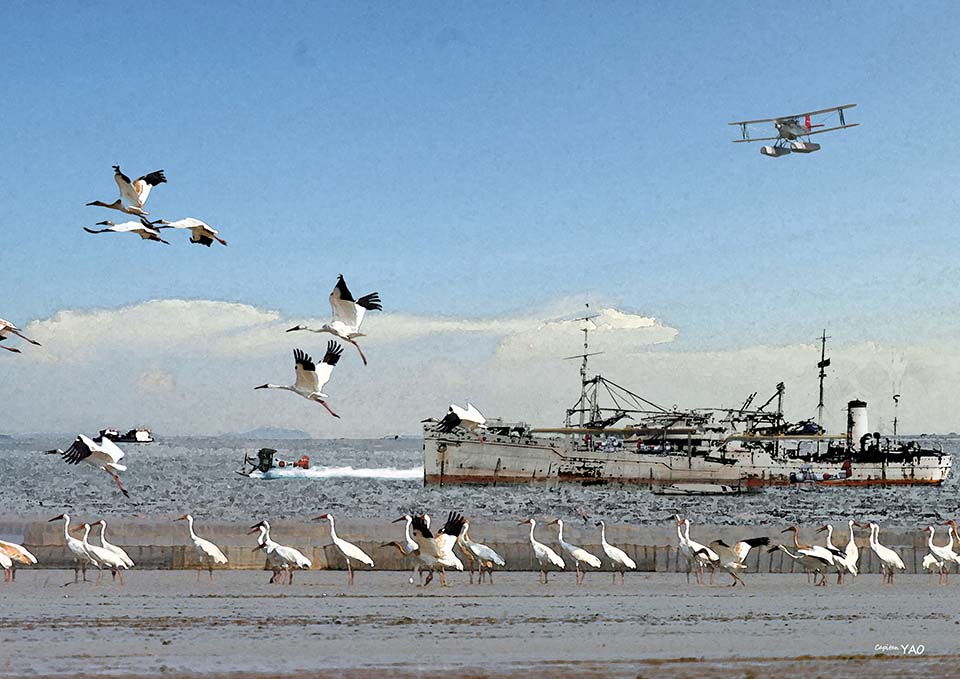
(Fig. 4-9-2) Japanese expatriates on the deck of the Nisshin Kisen Kaisha steamer, viewing the flagship of Japan's Third Fleet, the Izumo, in the Hwampoo River. This assessment had grounds. To draw Western nations into intervention, Chiang needed to place them under the threat of war to make them feel the stakes personally. North China felt too distant for Westerners to grasp the gravity, whereas Shanghai was different. Should fighting erupt along the concessions, nations like the US, Britain, France, and Italy would simply be unable to stand idly by. Thus, I believe Chiang would inevitably use Shanghai as a stage to orchestrate a theatrical display of warfare for the Western powers. Secondly, Japanese garrisons in Shanghai were thinly spread, comprising merely a few thousand marines. Should the Chinese muster superior forces for a pre-emptive assault, annihilation was feasible. Moreover, Japanese positions hugged the Western concessions, rendering their tanks, artillery and aircraft largely ineffective. Urban warfare, conversely, favoured the less mechanised Chinese forces. This represented the sole opportunity for Chinese troops to prevail against the Japanese.
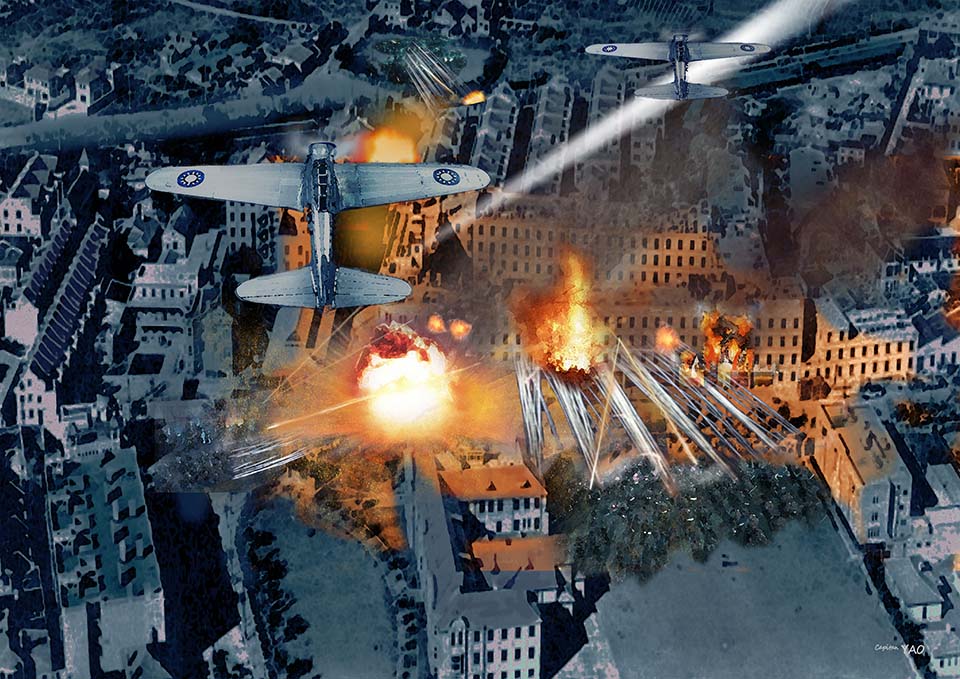
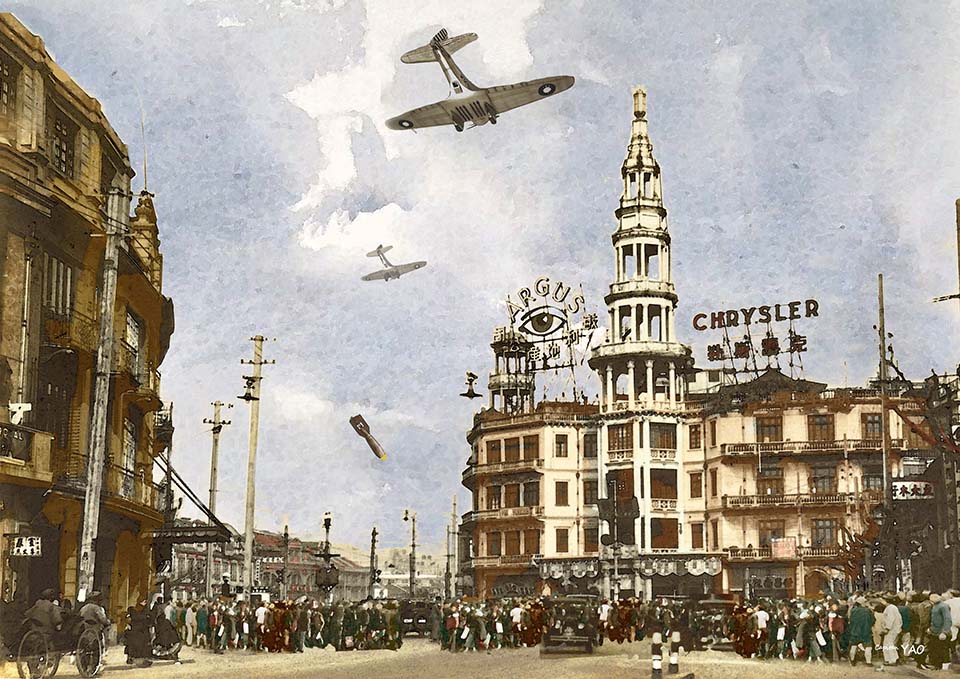
(Fig. 4-9-3) Chinese Air Force aircraft bomb the Japanese Marine Corps Headquarters in Shanghai.
"I should very much like to hear Lieutenant Draken's perspective!"
The Consul-General turned to me after the section chief's briefing. I knew this was because he considered me particularly adept at understanding Chinese thinking. This placed me in a somewhat awkward position: stating my views would inevitably put the section chief in an awkward position. Yet how could one remain complacent on such a critical matter?
Thus, steeled in resolve, I rose and presented my argument. When I declared: "Within a month, China and Japan will inevitably clash in Shanghai!" the room erupted. Seeing the section chief's face turn ashen, I realised the days ahead might prove difficult.
Unexpectedly, we did not have to wait a month. On the 13th of August, hostilities erupted in Shanghai, unfolding precisely as I had predicted. Chiang Kai-shek deployed his most elite forces—three divisions fully trained and equipped in the German style—to launch a proactive offensive supported by airpower. Though initially taken aback, the Japanese were disciplined troops. Moreover, the headquarters of the Japanese Special Marine Corps on North Sichuan Road had long been fortified into a massive bunker. The Chinese forces, lacking in both equipment and training, failed to capitalise on their pre-emptive strike. The situation began to deviate from Chiang Kai-shek's initial calculations.
With the Chinese forces having initiated hostilities, the Japanese government invoked the justification of "punishing the brutality of the Chinese army" to mobilise reinforcements from within Japan. To swiftly achieve their objectives and avoid complications, the Chinese side also drew substantial reinforcements from the interior. This localised conflict rapidly escalated into a major confrontation involving over a million troops. This scale far exceeded the expectations of both sides. Over two and a half months of fighting, Chinese forces continuously reinforced their lines, expending eighty-five divisions and suffering over 300,000 casualties. Japanese forces alone counted 81,000 corpses of Chinese soldiers left on the battlefield.
Chiang Kai-shek exhausted his elite forces, painstakingly built over years, in a single campaign at Shanghai. This depletion left Nanking vulnerable during its subsequent defence, leading to its swift fall. Consequently, the Nationalist government struggled to make significant gains throughout the early stages of the War of Resistance, while the Western intervention Chiang had hoped for never materialised. However, the Japanese forces unwittingly shifted their advantageous offensive axis in North China to a disadvantageous westward thrust from Shanghai. This allowed the Chinese government valuable time to retreat westward into Sichuan. The gains and losses for both sides were mixed, making it difficult to draw a definitive conclusion.
It is commonly held in China that the Sino-Japanese War commenced with the Marco Polo Bridge Incident. This view is problematic, as the Marco Polo Bridge Incident constituted merely a localised clash, not fundamentally different from numerous prior incidents. The Shanghai Incident of 14th August is thus regarded as the true beginning of full-scale war between China and Japan. Yet even this interpretation is flawed, for neither side formally declared war. Consequently, the constraints of international law upon belligerents could not be invoked. China sought international recognition of Japan as the aggressor and thus resisted being categorised as a belligerent nation. Japan, fearing Western embargoes on strategic materials like steel and oil following a formal declaration of war, likewise avoided formalising hostilities. Consequently, the conflict proceeded in a state of legal limbo until 7 December 1941, when the attack on Pearl Harbour prompted Britain and America to declare war on Japan. Only then did China formally enter the war against Japan.
The reason I have taken pains to explain the nature of the Sino-Japanese conflict is that it concerns the operational guidelines of our intelligence unit. The team leader has repeatedly emphasised that, since no formal declaration of war exists under international law between China and Japan, we must treat the situation as if nothing has occurred and execute our missions according to established standards. Despite daily bombardments, we must persuade ourselves that this is not a war, for should formal belligerence commence, our approach would change significantly. Our senior colleagues, who had handled matters during the 1914 European War involving the declaration of war on Germany and Austria, were acutely aware of this distinction.

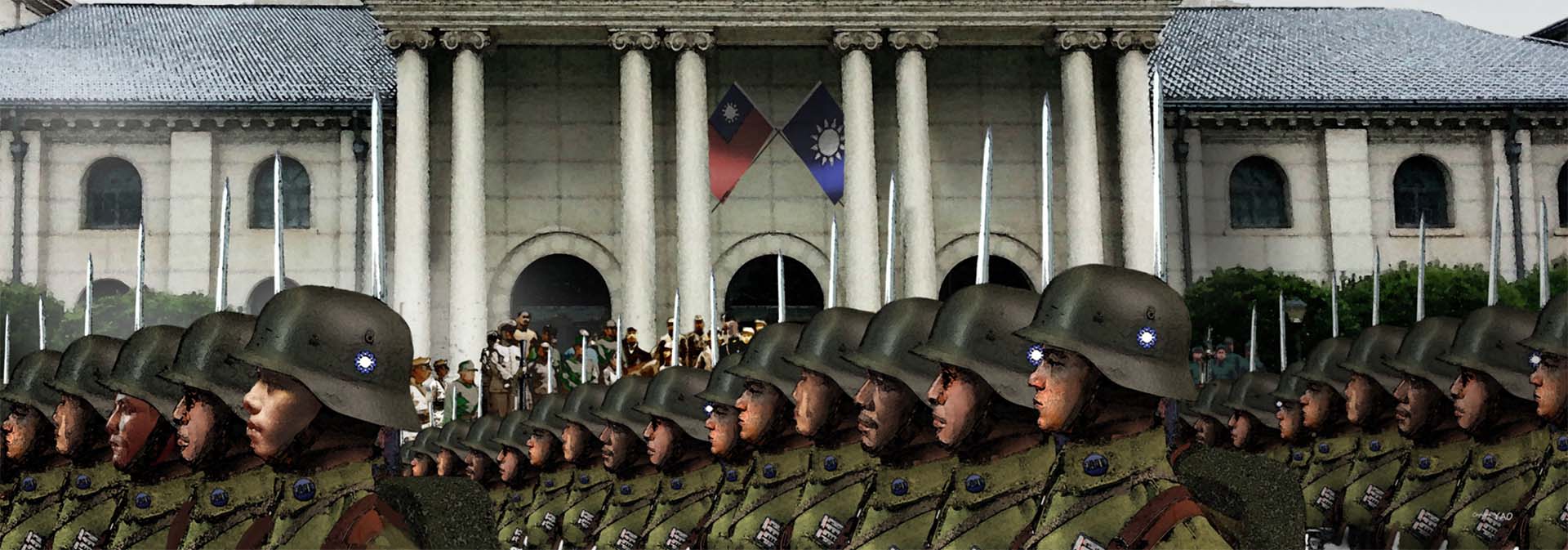
(Fig. 4-9-4) Chiang Kai-shek's elite ‘German-equipped division’.
For this campaign, Chiang Kai-shek deployed virtually all his elite forces, mobilising land, sea, and air arms. The army, entirely trained by German advisers and equipped with German weaponry, wore German M-35 helmets and carried Mauser rifles. Some units even included mechanised elements, resembling the German Wehrmacht I had witnessed in Germany. This stood in stark contrast to the conventional image of Chinese troops.
Yet the Shanghai battlefield proved a colossal meat grinder. Within days, several elite divisions were utterly exhausted. This represented Chiang's sole strategic asset. Subsequent reinforcements from the interior were poorly equipped and trained, forced to withstand Japanese firepower with nothing but their flesh and blood. Witnessing the Chinese forces' desperate, futile struggle in Shanghai was truly heart-rending.
I find Shanghai's situation strikingly similar to France's Battle of Verdun during the European theatre. What began as a minor engagement became a symbolic battleground, acting like a magnet that drew both sides into an endless war of attrition. The sacrifice of hundreds of thousands of young lives achieved not military objectives, but political ends. Chiang Kai-shek consistently approached this conflict through the lens of international propaganda warfare. Conversely, the Japanese forces, despite their numerical superiority, found themselves led by the nose – illustrating the blind spot inherent in viewing matters purely through a military prism.
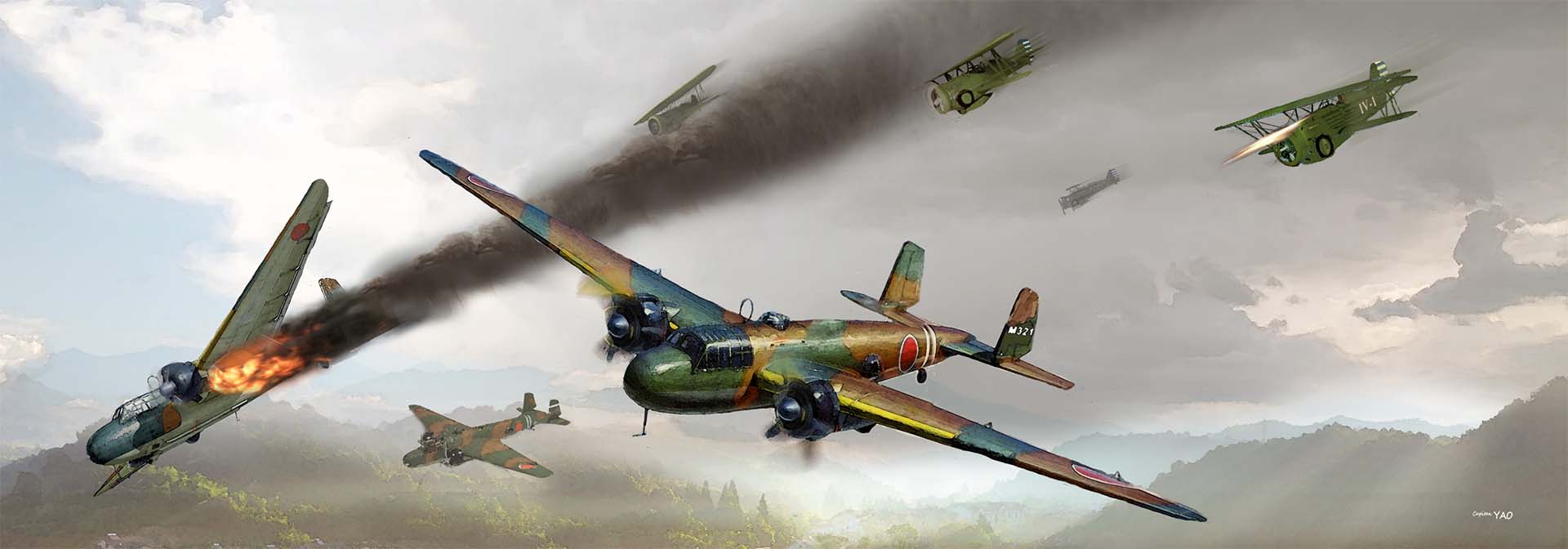
(Fig. 4-9-5) The "14th August Air Battle" erupting between the Chinese Air Force and the Japanese Naval Air Force over the Jianqiao The Fourth Squadron was commanded by Colonel Kao Tsihang, an old comrade of mine from the Northeast Air Force. On the 14th, he personally claimed one aircraft shot down and another damaged. When I later encountered him, I offered my congratulations – though this was, of course, a matter of personal camaraderie and inappropriate from an official standpoint. When we discussed the aerial combat of the 14th, he admitted that luck played a significant role. The timing was remarkably fortuitous – truly providential. We also discussed strategic concepts of air superiority. At that time, the prevailing global doctrine was that of the Italian, Giulio Douhet, who argued that large formations of heavy bombers alone could decide the outcome of wars. He believed the machine-gun fire from the bombers themselves would be sufficient to protect the formation, rendering fighter escort entirely unnecessary. The Japanese were clearly adherents of this doctrine. Chennault, who emphasised fighter pilot skills, was marginalised within the US Army Air Corps for opposing this doctrine. After retiring as a captain, he came to China seeking a new beginning, introduced by me. The Chinese Air Force was originally under Italian control, making Chennault's ideas naturally incompatible with theirs. Fortunately, before Chennault's arrival, his two assistants who had preceded him to China had already begun training Chinese pilots according to his principles. This laid the groundwork for the aerial engagement of 14th August, which provided the opportunity to validate Chennault's doctrine of fighter supremacy (then termed “destroyer aircraft” in China). Yet this experiment, unfolding far away in China, failed to attract significant attention from Western nations. It was not until well into the Second World War that European and American powers would learn these lessons. I have observed that many modern concepts in aerial warfare were first validated in China before becoming widely accepted theories. For instance, aerial attacks on naval vessels inspired Admiral Yamamoto Isoroku's conception of a surprise attack on Pearl Harbour using naval aviation, while the Battle of Jianqiao led to the discrediting of the Douhet doctrine. However, Western nations failed to value events unfolding in China, thereby not only missing practical lessons but also allowing this history to be obscured. I feel this particularly keenly. Yet conceptual innovation could not compensate for the weakness of the defence industry. When Japan's new Zero fighters appeared, not a single Chinese aircraft could match them. After several campaigns, Chinese airmen suffered heavy losses and were eventually forced to withdraw temporarily. My friend Colonel Kao Tsihang did not live to see that day; he was killed in action the following year at Zhoujiakou Airfield during a Japanese air raid. 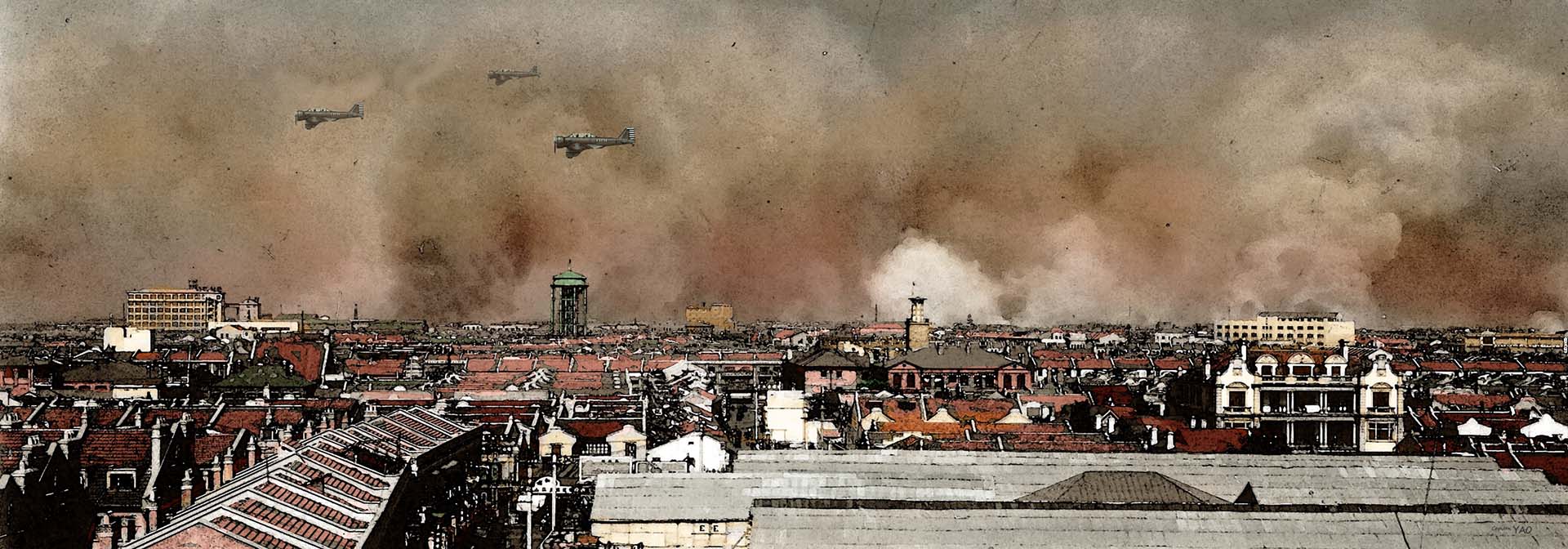
(Fig. 4-9-6) China's first large-scale deployment of air power during the Battle of Shanghai.
During the Shanghai Incident, Chinese forces exhausted every possible method—including aerial bombing by air force aircraft, torpedo launches from naval torpedo boats, and mine-laying by divers—in an attempt to sink the Japanese flagship Izumo in one decisive strike. None succeeded, and instead, multiple incidents of mistaken bombing occurred. On 14 August, during an air raid targeting the Japanese flagship Izumo, two bombs were mistakenly dropped between the Sassoon Building and the Palace Hotel on Nanking Road, resulting in over four hundred casualties, including numerous Westerners. That same afternoon, two Chinese Air Force bombers targeting the Izumo mistakenly dropped their payloads onto crowds gathered in front of the Grand World Amusement Park, causing over a thousand casualties.
As the Grand World was situated within the French Concession, the incident fell under French jurisdiction. The Sassoon Building, however, was located in the International Settlement. Coupled with the significant number of Western fatalities, it became a major incident for the British Consulate-General. With no Royal Air Force officers present in Shanghai at the time, and given my background as a pilot, the investigation fell to me. I sought an explanation from the Chinese Air Force headquarters. The conclusion was that due to low cloud cover, the pilot had to descend to locate the Izumo. Since the bomb's trajectory depends on altitude, the release time should have been delayed. However, the inexperienced pilot released the bomb at the scheduled time, causing it to detonate prematurely on Nanking Road instead of at the Sino-Japanese wharf near the Suzhou River estuary. Moreover, on 14th August, the Chinese Air Force mistakenly bombed the flagship of the US Asiatic Fleet, the "USS Augusta", and on 30th August, mistakenly bombed the American cruise "SS President Hoover", both incidents resulting in casualties.
Given the clear evidence, the Chinese government was compelled to apologise and pay compensation. However, I later discovered that official Chinese publications consistently misrepresented these incidents as ‘atrocious acts’ committed by Japanese aircraft.This kind of propaganda tactic is undoubtedly a distortion of the truth, but it is commonplace in China.
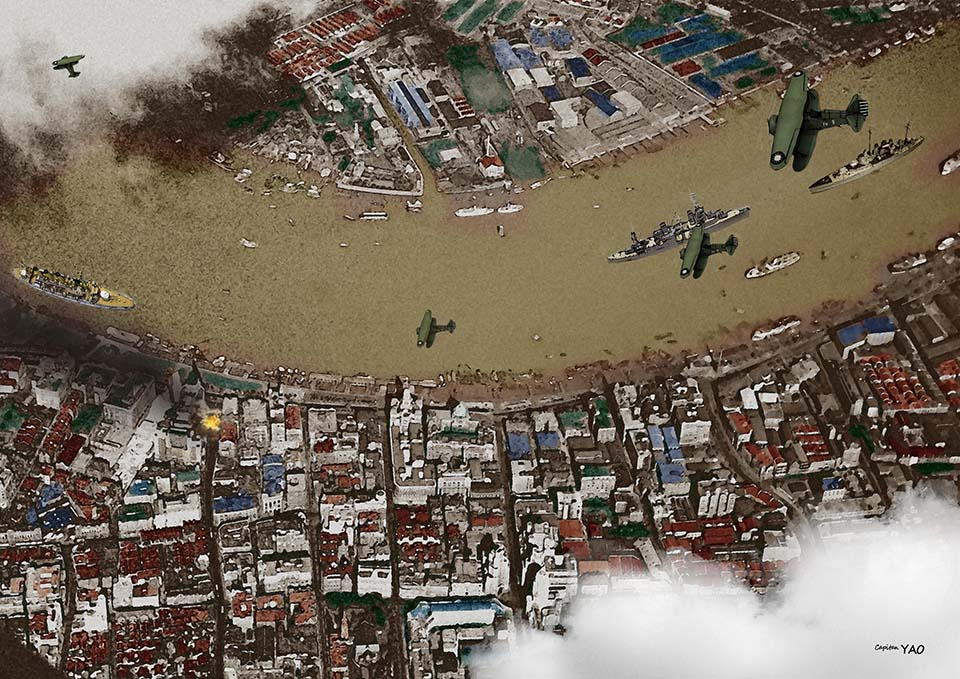 
Among the various offensive operations, the most dramatic was the torpedo boat raid by M.C.S. School Motor Torpedo Boat Squadron against the Japanese flagship Izumo. Commissioned from Britain in 1900, the Izumo was an armoured cruiser used during the Russo-Japanese War. After being withdrawn from frontline service, it served as a training ship before being converted into a coastal defence vessel. Prior to the outbreak of the Sino-Japanese War, it was dispatched to China to serve as the flagship of the Third Fleet. The Izumo measured 121.92 metres in length, 20.93 metres in beam, and displaced 9,180 tonnes, with a speed of 20.75 knots. She was armed with four 20-centimetre guns, fourteen 15-centimetre guns, and five 8-centimetre guns. A distinctive feature was her three funnels. It was ordinarily berthed at the Nisshin Kisen wharf in Hongkou, positioned not far from the Suzhou River estuary. This location, situated at the bend of the Hwampoo River, allowed simultaneous surveillance of movements both upstream towards the Bund and downstream towards Wusong. However, this strategic position also rendered it vulnerable to attack from both directions.
The CMB torpedo boats of the Torpedo Boat Squadron at the M.C,S. School were sold to Vice Admiral Ouyang Ge through my agency at the time, totalling over ten vessels in all. Constructed by the British firm Thorncroft, these wooden-hulled vessels displaced 14 tonnes, measured 55 feet in length, 11 feet in beam, and had a draught of 3.5 feet, permitting rail transport. Powered by twin petrol engines delivering 950 horsepower, they achieved a maximum speed of 40.3 knots with a range of 300 nautical miles, crewed by five personnel. armed with two twin 0.303 calibre machine guns, four mines, and two 18-inch torpedoes launched via rear-sliding mechanisms.
Ouyang Ge had described this tactic to me before the war: disguising torpedo boats as civilian vessels to infiltrate Shanghai's waterways and attack Japanese ships. On 13 August, as soon as hostilities commenced, Ouyang Ge ordered the Torpedo Boat Squadron of the M.C.S. School, under the command of Lieutenant Colonel An Chibang, to lead the disguised vessels "Shi 102" and "Shi 171" from Jiangyin via inland waterways to infiltrate Shanghai. Ouyang Ge personally visited the Whampoo River to observe the terrain.
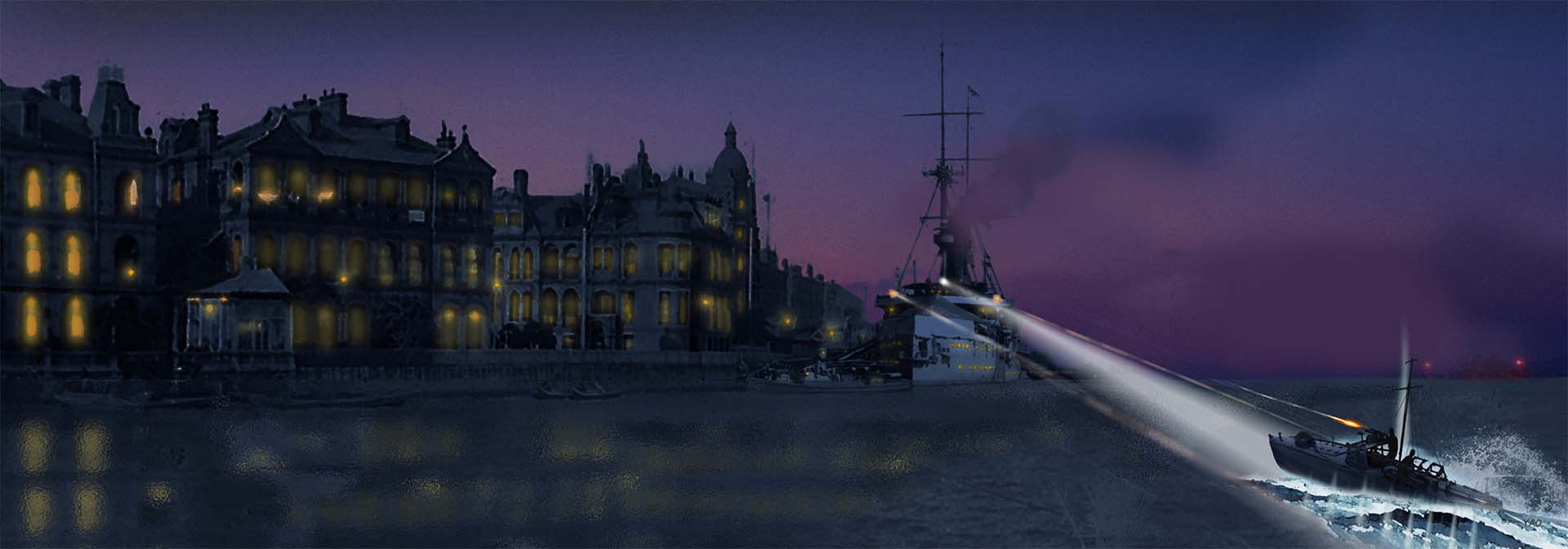
(Fig. 4-9-9) At 2000 on 16 August, Torpedo Boat"Shi 102" of the M.C.S. School's Fast Boat Squadron launched a surprise attack on the Japanese Third Fleet flagship Izumo, which was at anchor in Shanghai's Whampoo River. Following the torpedo launch, "Shi 102" immediately turned to escape. Spotted by the Izumo, it was hit in the fuel tank and damaged, becoming semi-submerged near the Kiukiang Road Customs Wharf. The crew swam to safety. When I arrived at the wharf early the next morning, I could still see the wreckage of "Shi 102" floating on the water.
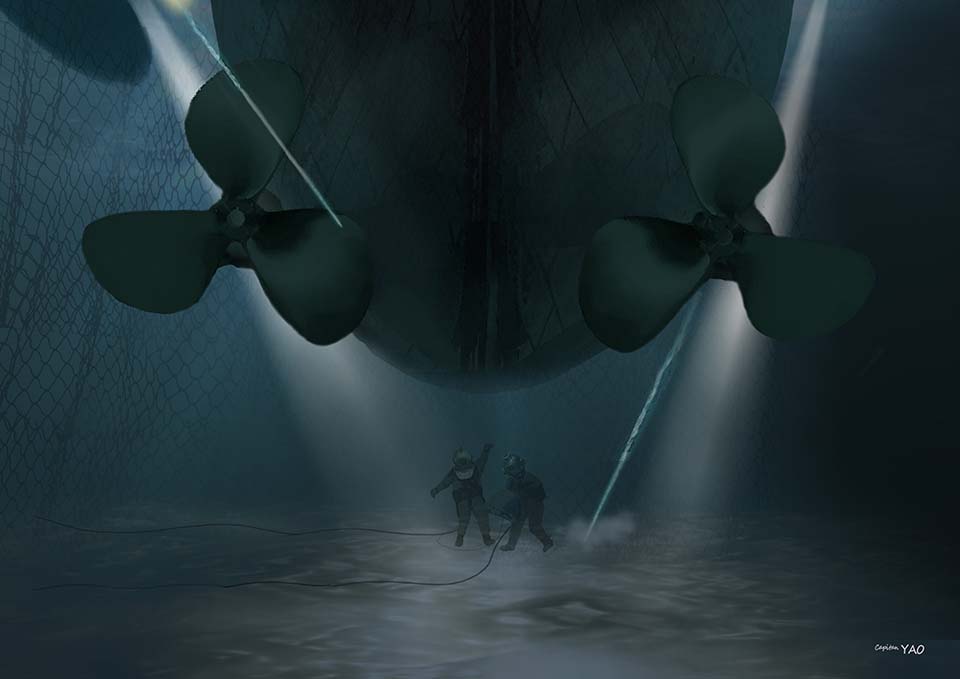
(Fig. 4-9-10) The Chinese Navy also deployed divers to plant mines beneath the Izumo's hull, though all attempts failed. British-built torpedo boats attacking the British-built Izumo – human history invariably bears traces of absurdity. Following the Chinese torpedo boat assault, the Izumo's defences were significantly reinforced. Subsequent attempts by divers carrying explosives only succeeded in damaging the outer anti-submarine nets or barges. The Izumo survived until the final stages of the Second World War, when it was sunk by American aircraft off the Japanese mainland. This outcome clearly failed to meet the expectations of most Chinese military personnel and civilians, leading to numerous legends in China about the ship's sinking. Before Ouyang Ge departed Shanghai, we met in secret. I questioned his approach: "Why undertake such a mission with torpedo boats in such a conspicuous manner? Floating mines might have achieved better results without sacrificing valuable fast craft." ‘I understand that logic perfectly well, Ouyang Ge replied. "But the Commander-in-Chief's campaign in Shanghai is intended for foreign observers. Torpedo boats deliver far greater theatrical impact than mines.’ He added, ‘Moreover, my insistence on directly procuring torpedo boats from Britain already offended the Kung family, who monopolised China's arms imports. If this campaign fails to demonstrate the torpedo boat's utility, do you think they'll spare me?" This was the last time I saw Ouyang Ge. Despite his strenuous efforts, the outcome proved disappointing, ultimately becoming the fuse for the enemy's counterattack. The M.C.S. School was forced to disband the following year. Subsequently, Chiang Kai-shek ordered Ouyang Ge's arrest and execution. The reasons remain a matter of speculation, but during that meeting in Shanghai, I had already grasped the general outline.。
The Battle of Shanghai inevitably involved espionage, and this intelligence war drew not only the Chinese and Japanese sides into the fray, but also our Royal Navy Intelligence Group. The story begins with a secret meeting convened at the Executive Yuan of the Nanking Government on 6 August. At this meeting, senior Chinese officials resolved to blockade the Yangtze River by sinking a large number of vessels. From 11 August, Chinese survey ships commenced the destruction of navigation beacons along the river. From the 12th, eight obsolete warships, twenty-three merchant vessels, and a large number of barges and civilian boats were deliberately scuttled near Kiangyin.
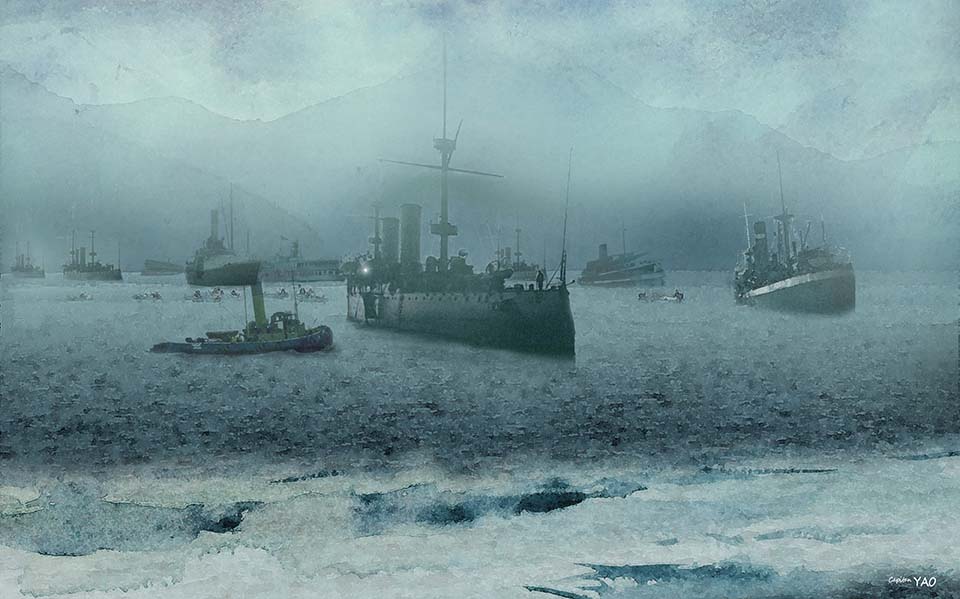 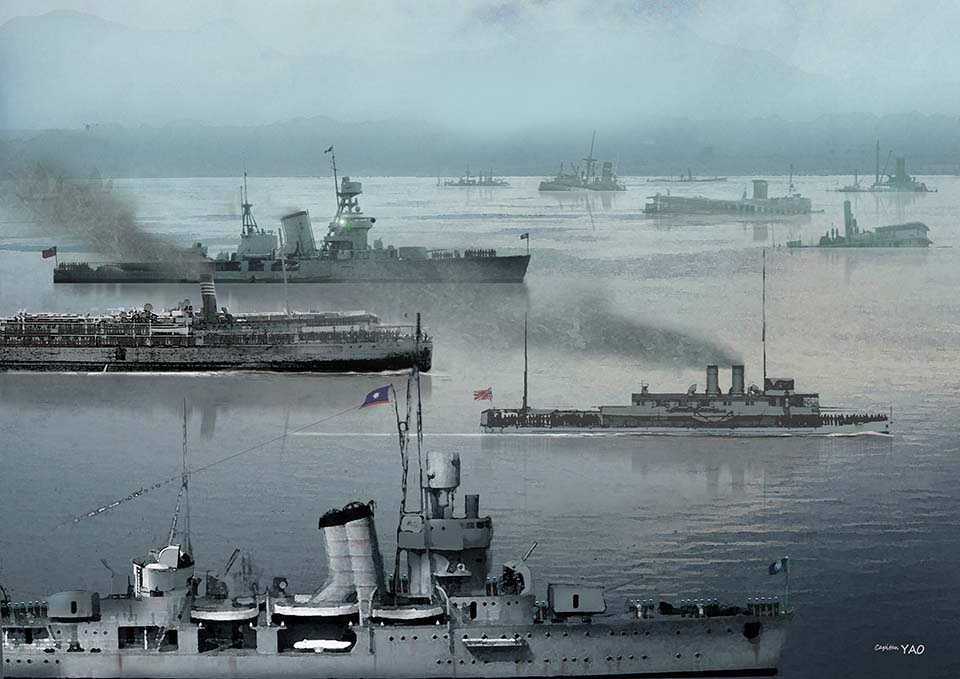
(Fig. 4-9-11) The Chinese Navy scuttled numerous requisitioned steamships and obsolete warships near Jiangyin to form a blockade line. (Fig. 4-9-12) Japanese steamships and warships in the upper Yangtze River scrambled to pass through the blockade line at the last moment. China's actions were naturally directed against Japan, not Britain. At that time, over twenty Japanese merchant vessels and several river gunboats were navigating the upper reaches. According to plan, they would have been as easy as catching fish in a barrel. Yet all Japanese vessels, including those in Wuhan and other locations, received advance warning and set sail overnight. By 7th August, they had all passed through Jiangyin en masse. Ultimately, only two ships—the Yueyang Maru and the Daichō Maru—were captured after failing to escape. This outcome was utterly bizarre and could only mean that intelligence had been leaked. Following this incident, we closely monitored developments in Nanking. On the 26th of August, the car of the British Ambassador, Sir Hugh Knatchbull-Hugessen, was attacked by Japanese aircraft with machine-gun fire and bombs on the Shanghai-Nanking Highway, merely eighteen miles from Shanghai. The vehicle overturned, and the Ambassador sustained serious injuries requiring emergency treatment in Shanghai. This incident caused considerable shock within diplomatic circles. We were instructed to temporarily set aside our current tasks and devote our full attention to investigating the matter.
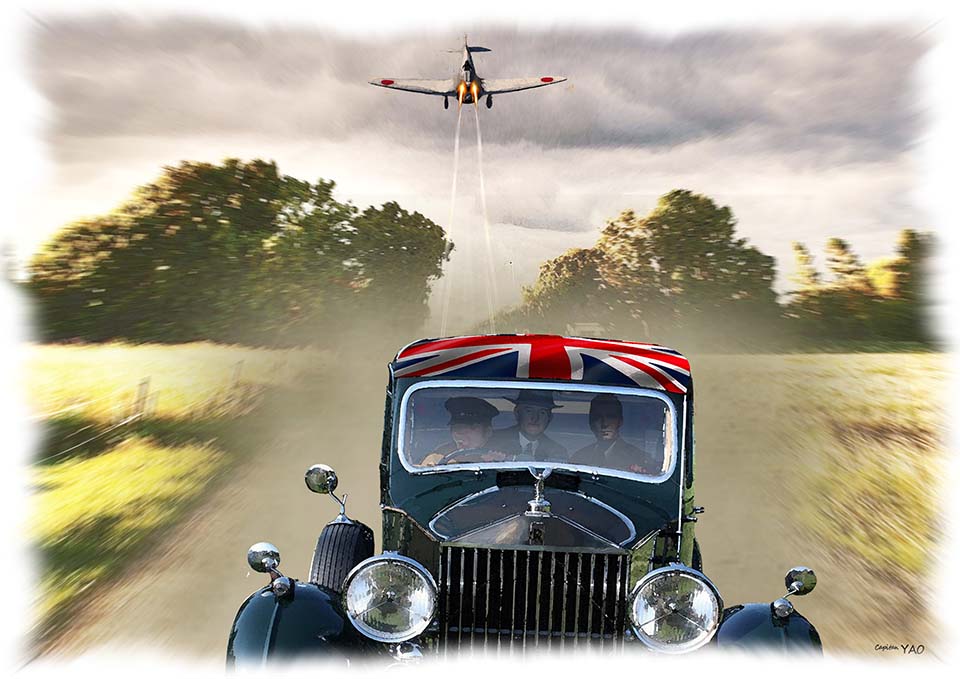
Japan claimed the attack was carried out by Chinese aircraft, yet on-site evidence pointed unequivocally to Japanese military planes. Even so, the incident could have been resolved as an accidental strike, with the Japanese government offering an apology and compensation. Senior officials within the Nanking government favoured this interpretation, their reasoning seemingly plausible: ‘What benefit could the Japanese possibly gain from attacking the British Ambassador's motorcade?’
However, I later learned that Chiang Kai-shek had travelled along the same road that day en route to Soochow to inspect troops deployed to the Shanghai front. Could the Japanese target have been Chiang rather than the ambassador? Perhaps the Japanese mistook the ambassador's car, conspicuously displaying the British flag, for a disguised vehicle carrying Chiang? But how could the Japanese have known Chiang's movements? This reminded me of the earlier leak concerning the Kiangyin blockade. Others might not have drawn such connections, but having taken the rap from superiors over that case, it left a deep impression on me.
When I discussed this possibility with Tai Li, he immediately concurred. He promptly dispatched personnel to review the attendance lists of both meetings, filtering out several prime suspects for round-the-clock surveillance. Soon, attention focused on Huang Jun, Secretary to the Executive Yuan, and his son Huang Sheng, Section Chief at the Ministry of Foreign Affairs. The agents monitoring them discovered that whenever Huang Jun possessed critical intelligence, he would don a black felt hat and visit Nanjing's International Café. Each time, an employee from the Japanese Embassy would coincidentally arrive wearing an identical black felt hat. Upon closer observation, it was noted that upon departure, the hats they retrieved had been swapped. The conduit for the leak was finally exposed.
This espionage ring was reportedly led by the Japanese female agent ‘Nanzo Unko’ (this was later revealed to me; I knew neither her name nor identity at the time). Like Kim Bihui, she served under Tsuchihashi Kenji, yet remained far more enigmatic. Hardly anyone could connect her actual appearance with her name. Strangely enough, though few would believe it, I was ultimately the one who identified her! Born in Shanghai in 1909, she happened to be Annie's primary school classmate. Though just a year apart, they were in the same class and got on reasonably well. Later, Annie returned to America for secondary school, while she was sent by her father to a Japanese spy academy. The two lost contact thereafter.
One day after Annie returned to Shanghai, we were walking arm-in-arm down the street when we encountered a stunningly beautiful woman in a cheongsam. Annie called out her name. The woman paused, then swiftly turned and vanished into the crowd, leaving Annie utterly bewildered.
Annie stamped her foot in frustration. "That was my primary school classmate! Why did she act as though she didn't recognise me?"
I half-jokingly remarked to Annie, "Is it because she owes you money from before that she daren't acknowledge you?"
"Surely not? I hear she's working for the Japanese military now. Perhaps that's why it's awkward? Never mind! If she ignores me, I'll ignore her. Come on! Let's carry on shopping!" Annie's reply subtly hinted at Nanzo Unko's identity as a Japanese spy.
This woman, whom I'd met only once, left a profound impression on me—she was truly beautiful.
Nanzo Unko had obtained considerable intelligence by seducing high-ranking officials of the Nanking government. Had she not exposed her spy ring by attacking the British ambassador's motorcade in an assassination attempt on Chiang Kai-shek, incidents akin to Huang Jun's leaks would have persisted, yielding substantial future intelligence gains for the Japanese military. Had Japan become overly impatient for quick gains, neglecting the vital importance of protecting intelligence sources? In stark contrast, Britain during the Second World War would rather sacrifice an entire city to Nazi air raids than issue advance warnings to protect crucial informants. The disparity in intelligence strategy between the two sides appears profound.
After her arrest, Nanzo Unko steadfastly claimed to be Liao Yachuan, an employee of the Bank of China, who had fled the war from Shanghai to seek refuge with relatives in Nanking. Interrogators exhausted every method yet failed to uncover her true identity. One day, Tai Li invited me to the Tiger Bridge Prison to observe the questioning of a prisoner. When Nanzo Unko was brought out, I paused in surprise before smiling at her and saying: "Your primary school classmate, Annie Kennedy, sends her regards!"
Nanzo Yunzi immediately deflated like a punctured balloon and confessed her true identity on the spot!
Strangely, Nanzo Yunzi was not sentenced to death later. It seemed high-ranking officials within the Nanking government were shielding her, but that was no longer my concern. Nanzo Yunzi served only a few months' imprisonment. By year's end, when Japanese forces captured Nanking, she was rescued from jail. Returning to Shanghai, she resumed her role as a key Japanese intelligence officer, repeatedly foiling Chongking spies until her assassination in Shanghai by Tai Li's agents in 1942. As for Huang Jun and his son Huang Sheng, they were executed by firing squad before the Japanese reached Nanking.
In recent years, doubts have been raised about the very existence of ‘Nanzo Unko,’ with various arguments put forward. Having personally experienced these events, I can confirm she was a real person. Whether she was actually named Nanzo Unko, however, I cannot say, as this was information relayed to me later. At the time, we knew only her Chinese name: "Liao Yachuan."
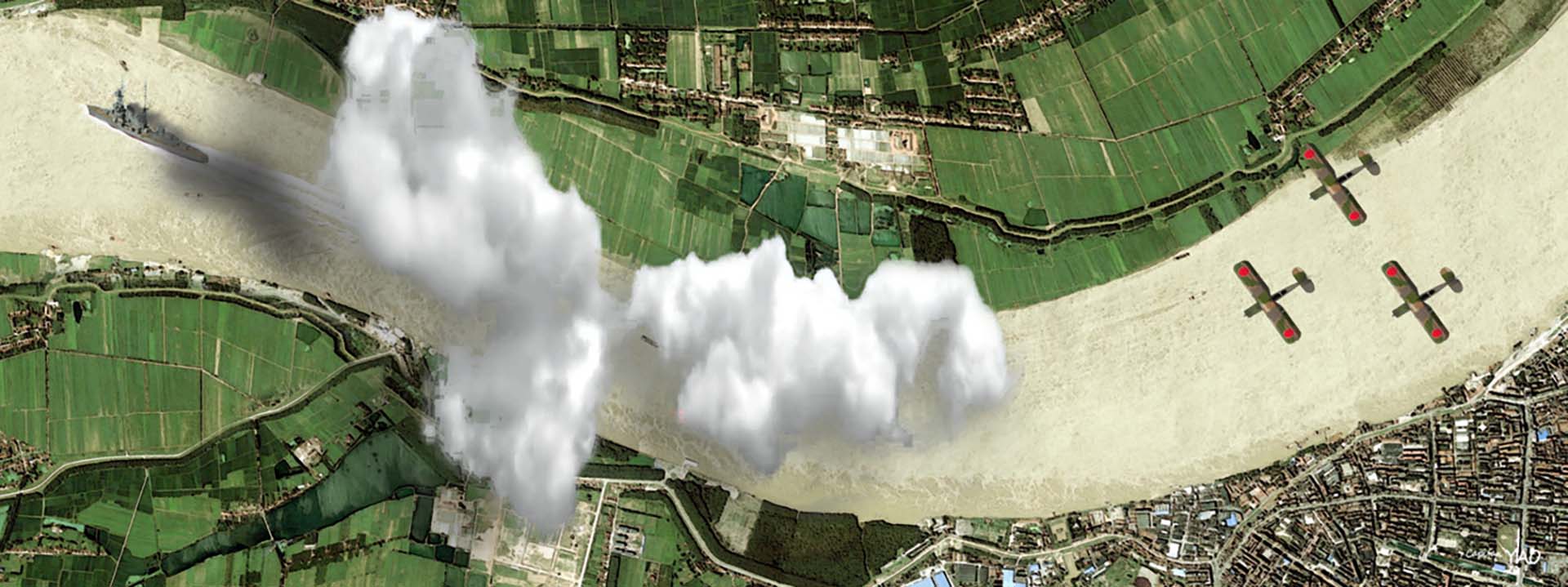
(Figure 4-9-14) Japanese naval air force dispatched aircraft to bomb Chinese warships on the upper reaches of the Yangtze River.
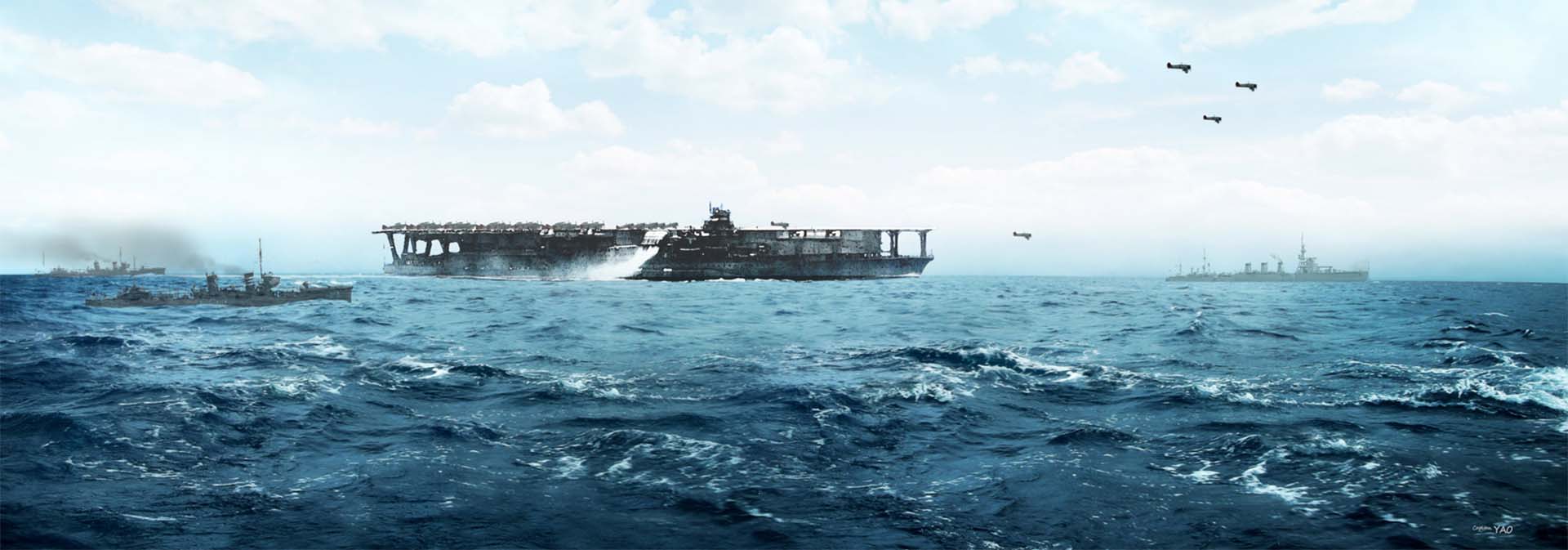
(Fig. 4-9-15) The Japanese Imperial Navy aircraft carrier "Kaga" provided offshore support during the Battle of Shanghai. Compared to the First Shanghai Incident of 1932, it had been converted from a triple-deck to a single-deck configuration.
(Fig. 4-9-16) The merchant ship-converted seaplane carrier "Notoro" operating seaplanes on Poyang Lake.
Regarding combat between Chinese naval vessels and Japan, I possess firsthand experience. While handling the ambassador's assassination in Nanking, I was dispatched to observe the Kiangyin blockade line to assess whether British ships trapped upstream could be escorted back to Shanghai. At that time, the Chinese Navy had not only scuttled eight obsolete warships, twenty-three merchant vessels, and numerous barges and civilian boats at Kiangyin, but had also deployed all their cruisers behind the blockade line. These included the "Ninghai", "Pinghai", Yatsen, Yingrui, Hairong, Haichou, Haichen, and Haichi, many of which I knew well and had even sailed upon.
At noon on the 23rd of September, I boarded the "Pinghai" to pay my respects to Vice Admiral Chen Tsiliang, Commander of the Chinese Fleet. They had just endured fierce aerial combat with Japanese aircraft the previous day, with reports of twenty to thirty casualties aboard. As I came aboard, sailors were busy replenishing ammunition and reinforcing gun emplacement defences, anticipating further Japanese air raids that day. It seemed my timing was truly ill-chosen.
Chen Tsiliang received me in his quarters. We dispensed with formalities and proceeded directly to the matter at hand. I stated that, based on my observations, gaps remained within the blockade of sunken vessels. Should he permit it, we might arrange for British ships to pass through slowly and return to Shanghai.
Admiral Chen had already agreed to consider my request when the ship's air raid alarm sounded. Upon hearing it, he immediately dashed from the officers' quarters, scrambling up the gangway. I followed him to the air defence command post atop the bridge, where we saw dozens of Japanese aircraft rapidly approaching the fleet. Admiral Chen ordered all ships to weigh anchor. The "Pinghai" swiftly hoisted the anchor-raising signal flag as anti-aircraft guns roared into action, firing into the sky. Soon, a low-flying Japanese aircraft became a ball of fire before crashing into the water, prompting loud cheers from the Chinese sailors aboard.
Soon after, another formation of nine Japanese aircraft circled around to the rear of the "Pinghai", dropping several bombs near the stern. The "Pinghai" began to list and sink, eventually running aground in the river. Chen Tsiliang ordered the flagship to be transferred to the "Yatsen", and I accompanied him aboard a small boat. From afar, we watched as the rear section of the "Ninghai" disappeared beneath the water.
 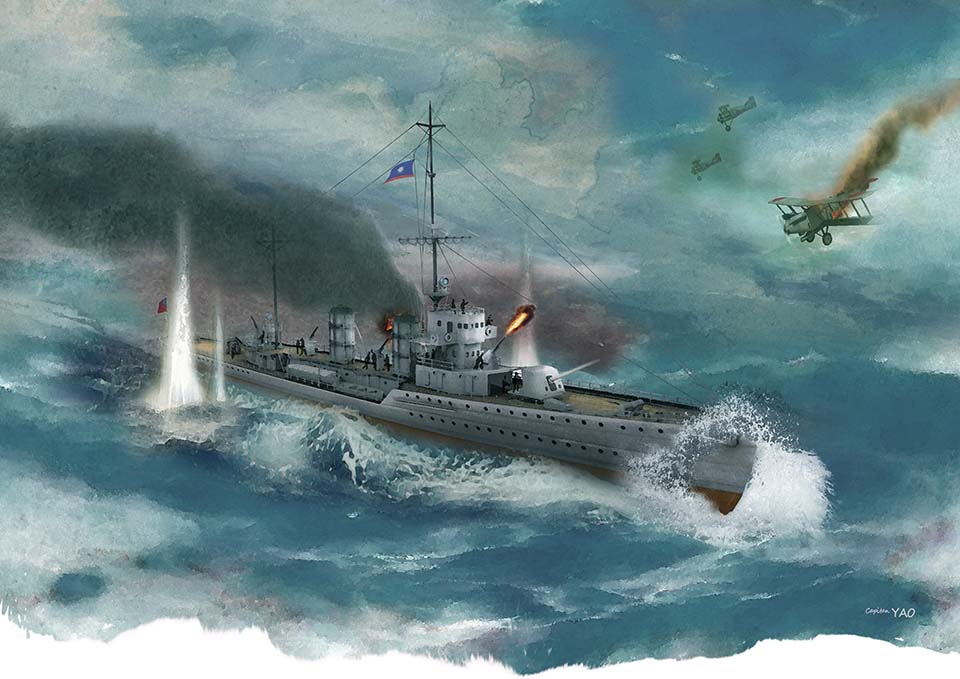
(Fig. 4-9-17) The "Ninghai" under Japanese air attack. (Fig. 4-9-18) The "Yatsen" downing a Japanese aircraft with its bow main guns. Unexpectedly, my suggestion hastened the tolling of the "Haichi"'s death knell. On the morning of the 25th, I witnessed from the shore as that vessel—on whose quarterdeck I had received admonition from Shen Honglie a decade prior—opened its sea chest and slowly settled to the riverbed. My heart was filled with boundless emotion. But the Chinese naval officers and men didn't share my sentiment. After the "Ninghai" and "Pinghai" were abandoned, Admiral Chen transferred his flagship to the "Yatsen". Since the attacks of the previous days had been concentrated on these two main warships, and the losses to other ships were relatively minor, the Japanese aircraft attacking today would likely target the "Yatsen". The officers and men were mentally prepared not to survive the day. Sure enough, while sinking the old ships, Japanese aircraft launched a full-scale attack on the "Yatsen". That day, the "Yatsen", "Yingrui", and the old destroyer Kiankang were all destroyed, and the Chinese fleet suffered a devastating defeat.
The fighting in Shanghai also afforded me the opportunity to meet Yang Huimin, who later became renowned throughout China for risking his life to deliver the national flag into the Sihang Warehouse. This feat was only successfully accomplished with my assistance, the details of which are as follows:
On the evening of the 26th of October, as most Chinese troops withdrew from Greater Shanghai, a company-sized detachment remained behind to occupy the Sihang Warehouse by the Soochow River. By dawn the following day, Japanese forces had launched an assault along the riverbank towards the warehouse perimeter. This caused considerable alarm among the British Consul and the concession authorities, as the Sihang Warehouse bordered the International Settlement on two sides. with a massive gas tank adjacent. Shells are indiscriminate; the slightest misfire could have destroyed half the concession. At midnight, I was ordered to proceed immediately to the British sentry post north of the Tibet Road Bridge to assess the situation.
As I arrived at the Tibet Road Bridge, still half-asleep on my motorbike, I saw a girl in a Girl Guides uniform arguing with the British soldier manning the bridgehead. She possessed eyes as sharp as Yunhe's and a look that said she wouldn't rest until she got her way. This piqued my interest. At the time, I assumed she was merely a playful girl caught out by the curfew, unable to return home. and thought there'd be no harm in ferrying her across to the north bank.
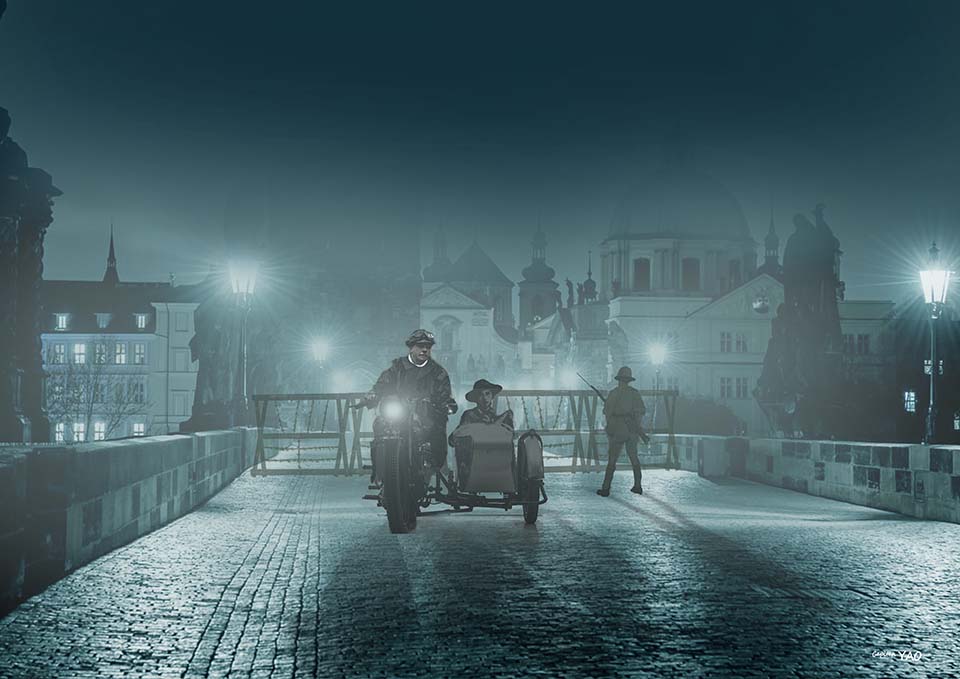
So I had her ride pillion across the bridge on my motorbike. Having produced my Royal Navy officer's credentials, the sentry made no further inquiries. Upon reaching the northern bank, I dismounted her and entered the British sentry post to observe. From here, the Chinese soldiers inside the Sihang Warehouse were clearly visible.
As I studied the Chinese deployment, a soldier offered me hot tea. Turning, I saw the girl in the scout uniform had followed me inside.
"What are you doing here? This is dangerous!"
The soldier looked slightly embarrassed. "Sir, I assumed she was with you. In that case..."
The soldier immediately raised his rifle in a gesture to expel her.
"Hold on! Mr Tai instructed me to find you!" the girl suddenly declared.
I was startled: "Mr Tai? Which Mr Tai?" Simultaneously, I pulled her outside the sentry post to prevent the soldier from overhearing our conversation.
She explained that Tai Li had instructed her to contact the Chinese troops in the warehouse to provide necessary assistance. She added that someone riding a motorcycle with a sidecar and presenting Royal Navy officer credentials would be the person she could seek help from.
"Nonsense! This is absurd!" How could Tai Li have tracked my movements so precisely? At the time, I was genuinely terrified, though in hindsight, I realise I overreacted. Riding a motorcycle with a sidecar and presenting a Royal Navy officer's credentials? These were details she could verify on the spot. As for Tai Li, he was a notorious spy chief at the time; invoking his name to intimidate was common practice. What truly baffled me was that I still didn't know her identity.
"I'm Yang Huimin, Scout Number Forty-One!" the girl declared, extending her hand.
Regardless, she persuaded me to let her slip a note into the warehouse and assist her in connecting the garrison's telephone lines to the switchboard in the opposite building. The defenders inside the warehouse now had a communication channel to the outside world. Tai Li's meticulously orchestrated drama was about to unfold.
Live news coverage of wartime events was something that would only become possible decades later with advanced media technology. Yet on 27th October 1937, Shanghai's Sihang Warehouse pioneered this practice. Journalists from major international media outlets not only crowded the banks of the Soochow River early that morning to secure the most advantageous vantage points, but also received first-hand, real-time battle reports transmitted from within the warehouse to buildings across the street. This enabled news of the Chinese troops' heroic resistance at their defensive positions to spread instantly across the globe. It played a decisive role in China subsequently securing aid from Western allies and being recognised as one of the five major victorious powers.
Yet Tai Li's theatrical production had further acts to unfold before its grand finale. The flag to be raised could not be the small unit banner from within the warehouse; instead, it required a colossal banner four metres wide, donated by the citizens of Shanghai. Moreover, the dramatic tension demanded someone brave enough to risk delivering it inside. Having already mastered the task, Yang Huimin was naturally assigned this mission. On the evening of the 29th, she once again followed the original route to the sentry post. The British soldiers inside recognised her and allowed her passage. Having already made contact by telephone with the garrison inside the warehouse, she was swiftly hoisted into the warehouse by Chinese soldiers using ropes.
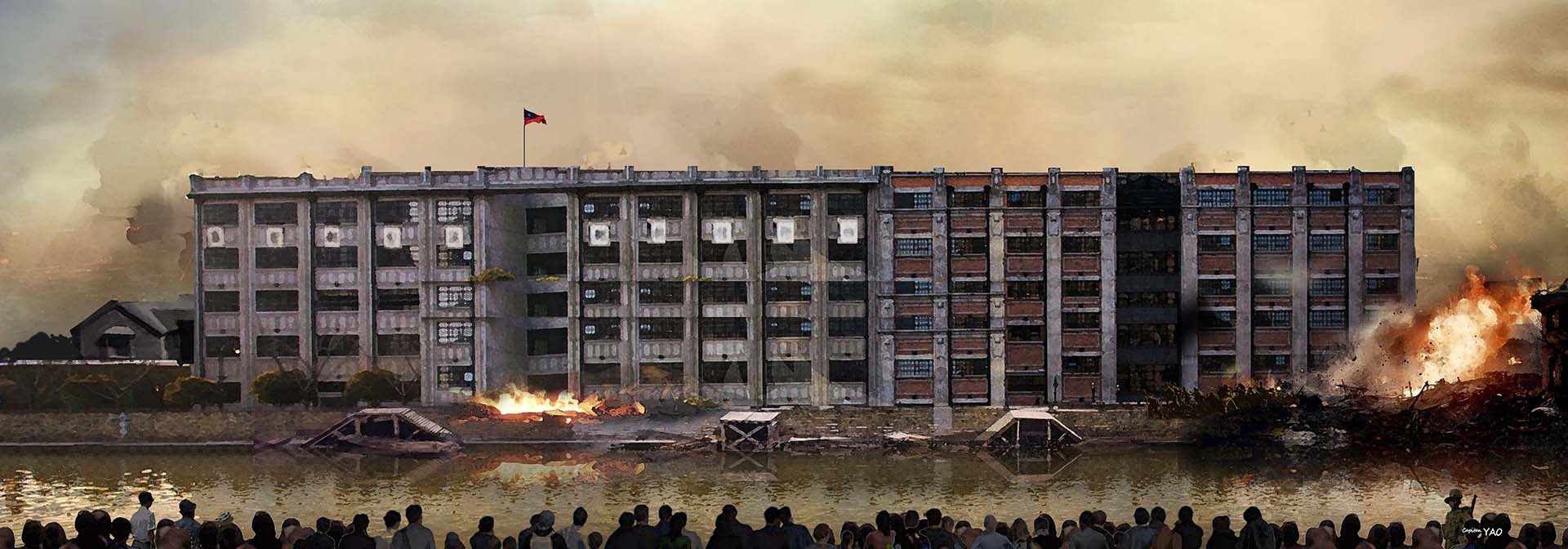
(Figure 4-9-20) People across the Soochow River saw the flag of the Republic of China being raised on the roof of the Sihang Warehouse. This flag remained in place for less than twenty-four hours. Enraged, the Japanese forces threatened the concession, compelling the concession authorities to negotiate with Chiang Kai-shek through diplomatic channels. With the propaganda objective achieved, it was time for the curtain to fall. That evening, the 30th, all garrison troops within the warehouse withdrew into the International Settlement via the Tibet Road Bridge under British cover. I served as one of the British coordinators dispatched for this operation. The original agreement was for them to return to their units via a designated route. However, under pressure from the Japanese government, this was abruptly changed to disarmament and detention. Over four hundred resentful Chinese soldiers were consequently confined in the former Italian barracks on Kiaochow Road, guarded by White Russian troops for more than four years. During this period, incidents occurred including the White Russians massacring the flag-raising soldiers and assassinating the regiment commander, Sie Kinyuan. It was not until late 1941, when Japanese forces occupied the concession, that these officers and men were captured by the Japanese and sent to labour camps in Southeast Asia. After enduring eight years of hardship, only a handful survived to see the end of the war. The concession's vacillation provoked profound distrust within the Chinese government towards the British, rendering genuine cooperation impossible throughout the entire Second World War. This allowed the United States to seize the opportunity to supplant Britain's former position in China after the war; The British government naturally had its own unavoidable practical considerations, but this meant that those of us carrying out the work were constantly confronted with suspicion and hostility from the Chinese side, making smooth progress exceedingly difficult. This was my experience working in China throughout the war. For Yang Huimin, however, the news disseminated globally through Shanghai's international news agencies propelled her overnight into the spotlight of worldwide media and made her an idol among youth. The following August, she was invited to New York to attend the ‘World Peace Youth Conference.’ She subsequently embarked on a speaking tour across Europe and America, receiving audiences with leaders including Roosevelt and Hitler, before finally returning to China after approximately two years. The spectacle orchestrated by Tai Li inadvertently provided immense reinforcement for Chiang Kai-shek's international propaganda campaign. This same approach was later employed when Chiang's wife, Soong Mei-ling, addressed the US Congress to solicit aid.

After Yang Huimin returned to China, Tai Li assigned her to work in Hong Kong. During my time in Hong Kong, I met her on several occasions due to work commitments. On Christmas Day 1941, the very day Hong Kong fell, I escaped aboard a torpedo boat under General Chan Chak's command. After a circuitous journey, I reached Chungking only to learn that Yang Huimin had been arrested and imprisoned by Tai Li. The reason, it seemed, was that while escorting luggage for Tai Li's mistress—the renowned Chinese film star Hu Die—from Hong Kong to Chungking, some items went missing en route. Hu Die had complained to Tai Li about this.
This was, of course, mere gossip circulating among the populace. Tai Li's Military Intelligence Bureau never required justification for imprisoning or executing any of ‘their own people.’ Even someone of Yang Huimin's international renown, whose deeds were recorded in primary and secondary school textbooks, remained merely "one of their own" within the Bureau in Tai Li's eyes. Without the boss's approval, no subordinate dared act independently to release her. Thus Yang Huimin remained inexplicably detained until Tai Li's fatal plane crash in 1946, when she was finally acquitted and released.
I admire Tai Li's intelligence acumen and make no judgement on his personal relationships, as such conduct is common among operatives. Yet settling private scores—or at the very least blurring professional and personal boundaries—is utterly reprehensible. When such a mindset controls a secret service, the state apparatus inevitably serves specific individuals, breeding the seeds of dictatorship. Tai Li considered himself Chiang Kai-shek's loyal hound, and consequently found it difficult not to regard his subordinates as his own lackeys. The Chinese Military Intelligence Bureau was precisely such an organisation.
After the withdrawal of Chinese forces from Greater Shanghai, the concessions became a veritable island, completely encircled by Japanese troops. Though the Japanese ostensibly continued to respect the jurisdiction of the various nations within the concessions, the situation had changed dramatically. Leveraging their military superiority, Japanese forces frequently demonstrated their strength to the concession authorities or demanded entry to arrest anti-Japanese Chinese. Worse still, Japanese spies routinely infiltrated the concessions to kidnap or even assassinate anti-Japanese figures, leaving us constantly scrambling to respond.
The London authorities took a longer-term view, recognising that direct conflict between Japan and the Western powers seemed inevitable. Once hostilities commenced, Shanghai would be virtually impossible to defend. Preparations must be made in advance. Firstly, the Royal Navy's Far East Fleet began gradually withdrawing vessels to Hong Kong, with the main force relocating to Singapore. Only a river gunboat flotilla remained permanently stationed in China. Secondly, British nationals were evacuated wherever possible. By 1939, when hostilities erupted in Europe, the majority had returned home to enlist.
Our Naval Intelligence Section was likewise required to formulate contingency measures. We began earnest discussions: should Shanghai fall to Japanese forces, should we retain undercover operatives? This posed a significant dilemma, for apart from myself, the Intelligence Section had never cultivated deep ties with local Chinese communities. Without local cover, how could anyone hope to operate behind enemy lines? The Section Chief therefore assigned me to lead this operation – a perilous and thankless task. I couldn't help but suspect this was his way of exacting revenge for the embarrassment I had caused him during my previous briefing before the Consul General.
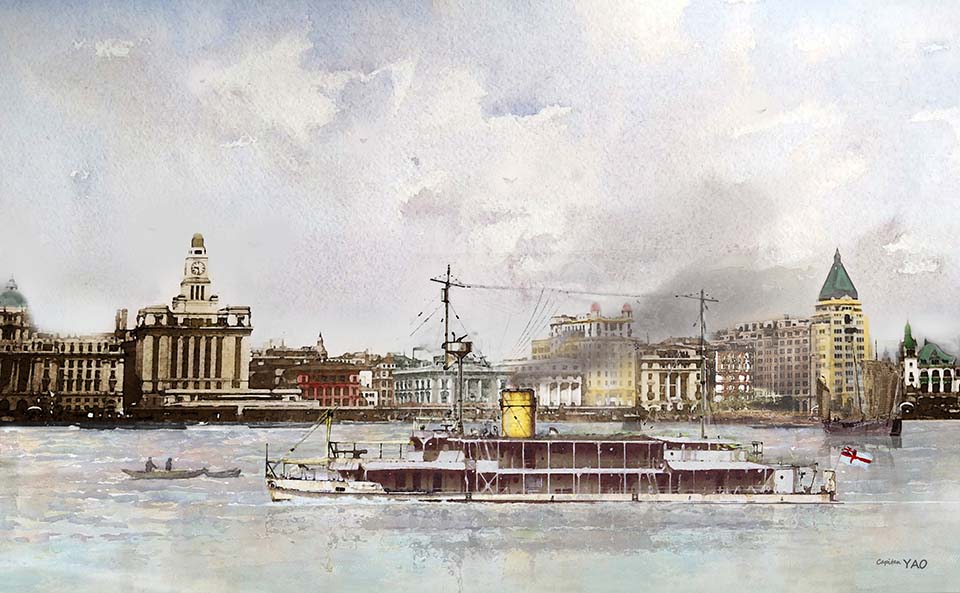
Should I be to operate behind enemy lines, it is imperative that arrangements be made for my gradual disappearance. This measure is essential, for in the past our intelligence operatives have concurrently held positions as consular staff, rendering them easily identifiable by the enemy. Once war broke out, none could escape—either repatriated or interned in camps—and intelligence operations would cease immediately. Henceforth, intelligence personnel must gradually withdraw from public view to preserve future flexibility, particularly those overseeing covert networks like myself. Thus, from 1938, I progressively increased my visits to Hong Kong to mislead Japanese intelligence, preparing to announce my official transfer there before secretly returning to Shanghai.
Moreover, our cipher machine must never fall into Japanese hands. Through repeated refinements under our control, it can now decipher over half of the Japanese Navy's encrypted communications. This fact itself is an absolute secret. As long as the Japanese remain unaware, they will not change their codes, allowing us to continue intercepting communications they deem secure. Several years prior, I proposed installing the entire system aboard Royal Navy river gunboats. However, these vessels were frequently deployed on patrols and could not remain permanently stationed in Shanghai, rendering the plan impractical. However, when the Shanghai Concession became an isolated enclave, land-based operations became untenable. With gunboat patrols increasingly difficult to sustain, my proposal was finally adopted. The cipher machine, telegraph equipment, and personnel were transferred to the river gunboat HMS Beatrice, moored on the Huangpu River, to continue operations. Aside from the three vessels trapped upstream, this was the sole British warship remaining in Shanghai. Little did I know that this very suggestion would determine the fate of HMS Beatrice four years later.
In truth, the Japanese radio monitoring team had long detected the abnormal increase in transmission volume aboard HMS Beatrice, merely biding their time to act. Yet they remained unaware of the cipher machine's existence. Had they known, we might well have met the same fate as the American river gunboat "USS Panay". On the afternoon of 12 December 1937, the "Panay" was sunk near Nanking by dozens of Japanese aircraft dropping bombs, resulting in three deaths and over ten seriously injured. This incident shocked the international community, as Japan and the United States were not at war at the time. Moreover, the "Panay" was clearly marked, making mistaken attack impossible. Rumours consequently circulated that the "Panay" maintained some secret collaboration with the Nanking Nationalist Government, prompting the Japanese military to risk such a grave violation by attacking a neutral nation's warship.
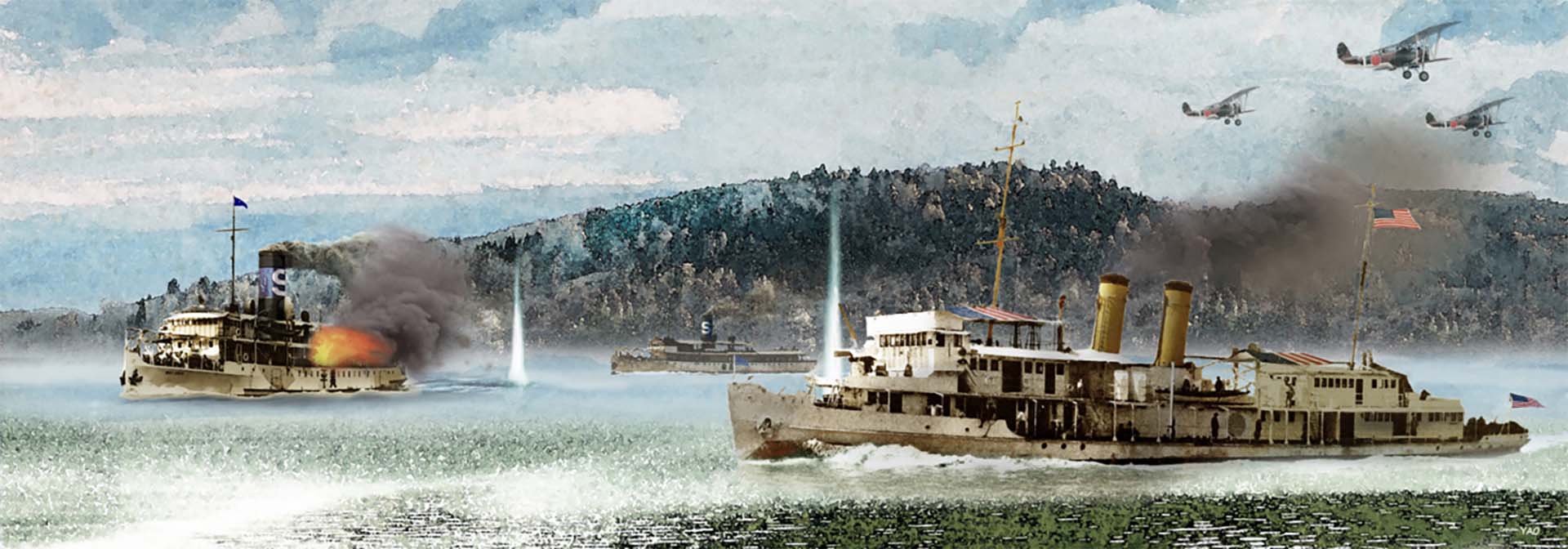
(Fig. 4-9-23) The American river gunboat "USS Panay" and a Standard Oil steamer sunk by Japanese aircraft on the Yangtze near Nanking. On 8 December 1941, the attack on Pearl Harbour erupted. Britain and America simultaneously declared war on Japan. The inevitable day had finally arrived. That very morning, Japanese naval personnel boarded the "HMS Peterel", already targeted by surrounding Japanese naval guns, intending to take possession of the vessel. The duty radio operator, stationed by the intelligence unit, immediately triggered the self-destruct mechanism. The cipher machine and the "HMS Peterel" were destroyed before the Japanese eyes, along with the Japanese officer who had come to take possession.
During the war against Japan, the Chinese Navy did engage in naval battles with the Japanese Navy. One such battle occurred in September 1937, but it wasn't fought by the Fookian-based navy, which called itself the "Central Navy," but rather by the Canton Navy under the command of Admiral Chan Chak—"The Battle of Fumun". This battle combined coastal artillery, warships, torpedo boat raids, and aerial attacks, demonstrating remarkable skill.
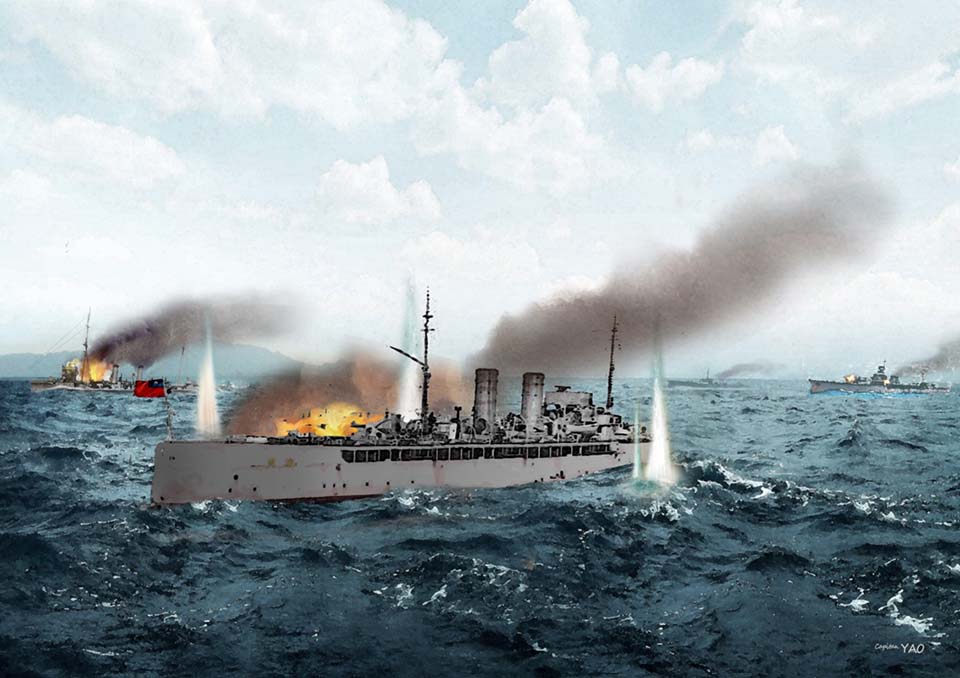 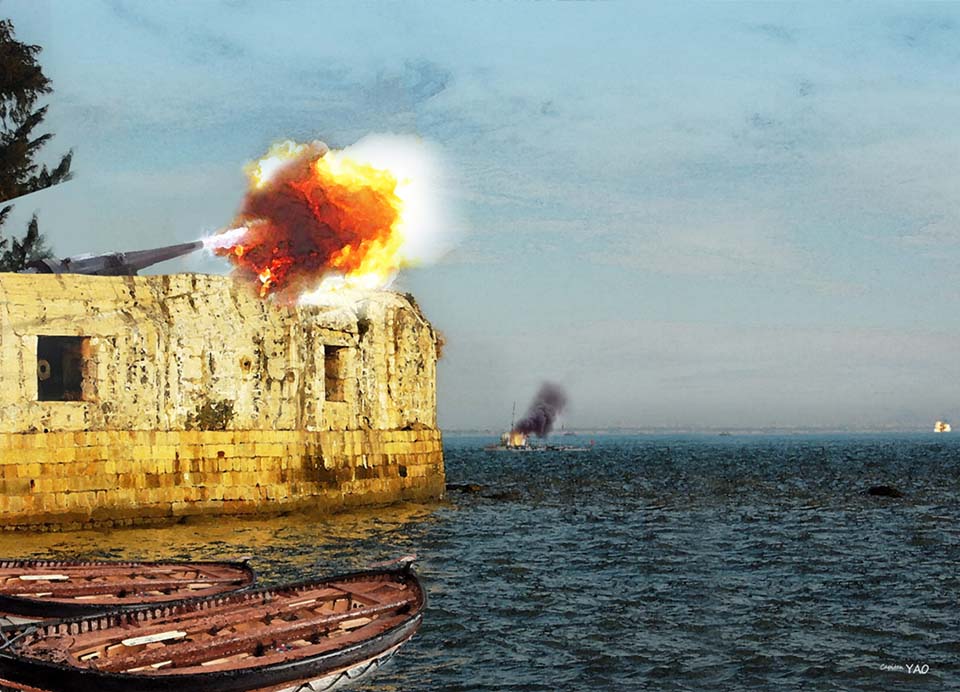
(Figure 4-9-24) The "Chaohe" and "Haichow" were damaged in the battle. (Figure 4-9-25) The Fumun artillery attacked the Japanese transport ship "Gan Maru" from a very long distance. Based on intelligence, the Japanese Navy had chosen a transfer point for the "Gan Maru" 12 kilometers outside the firing range of the Fumun Forts. However, Adm. Chan Chak, with the help of artillery experts, secretly increased the range of the 15cm guns from 12 kilometers to 15 kilometers by reducing the propellant charge and increasing the elevation angle. The "Gan Maru" was unexpectedly hit twice in succession, causing heavy casualties among the Japanese marines preparing to land. Having been hit twice by the Fumun Forts, the "Gan Maru" urgently cut its anchor chain and fled the scene engulfed in flames and with a ship full of dead and wounded. At that moment, a torpedo boat squadron from the Canton Navy pursued and launched a torpedo attack.
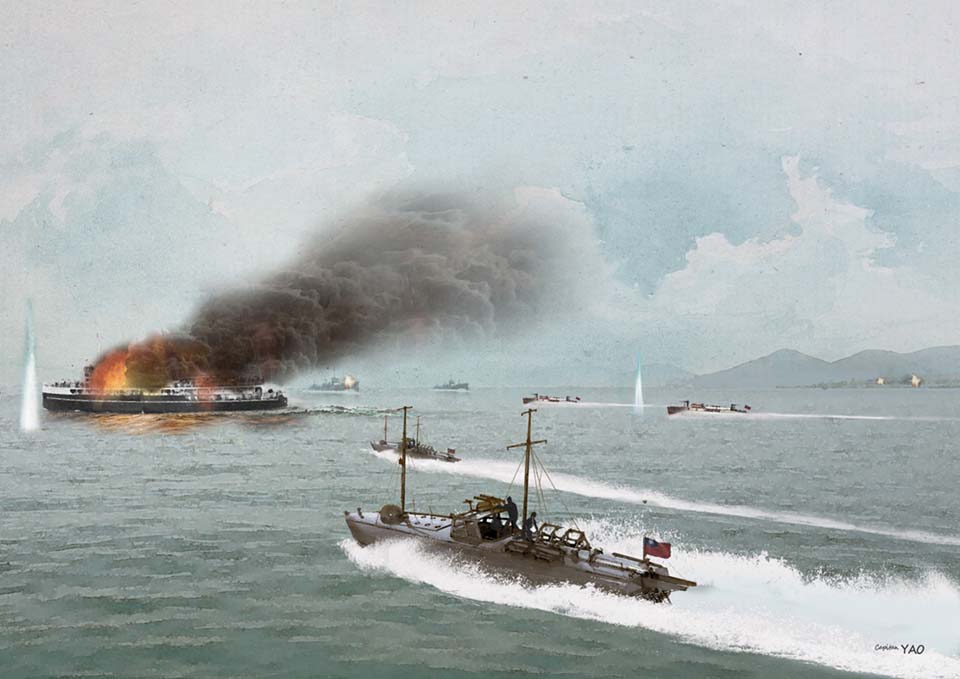 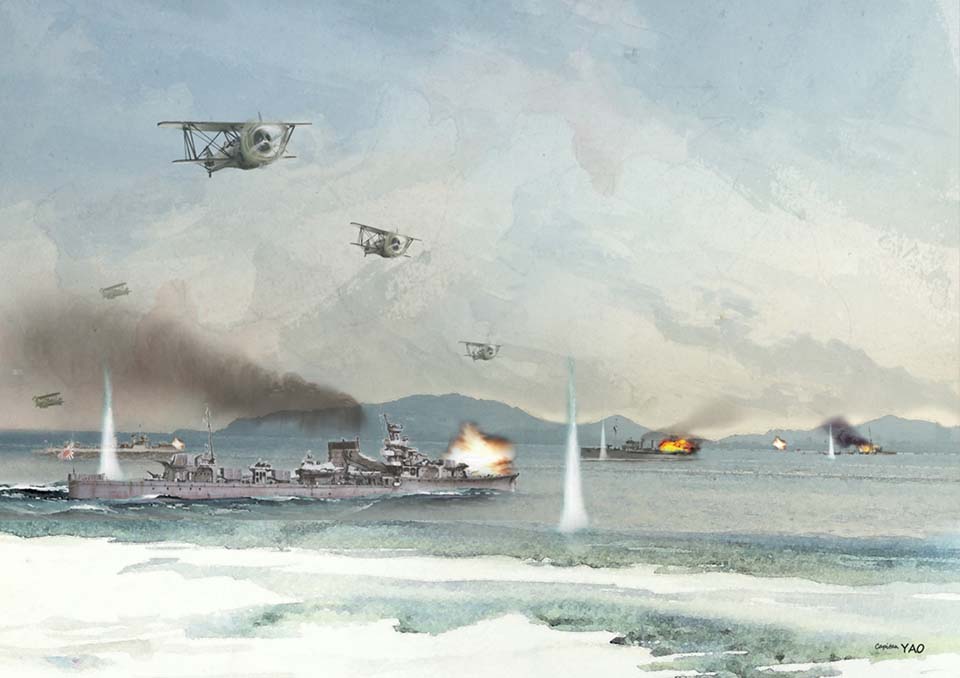
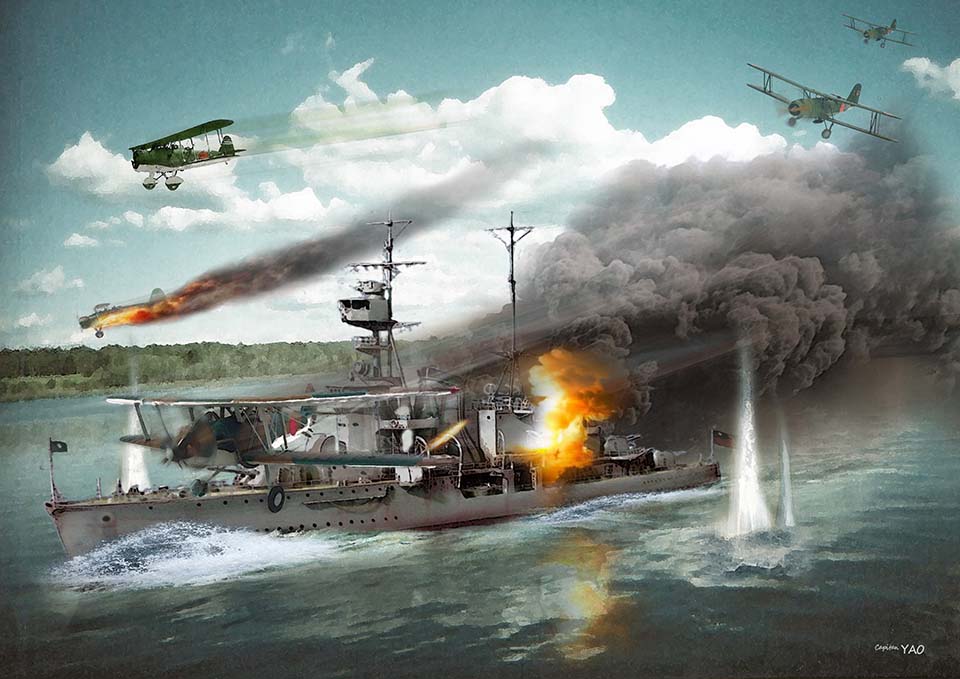
(Figure 4-9-26) Canton Navy torpedo boat squadron attacks the Japanese transport ship "Gan Maru". (Figure 4-9-27) Canton Air Force aircraft attack the Japanese flagship "Yubari". The Battle of Fumun is less known because it took place in South China. The above details were told to me later by Admiral Chan Chak in Hong Kong. He scoffed at Chen Shaokuan's "Central Navy", believing that they were a bunch of cowardly and rigid Fuchow men who were incapable of fighting like this.
|