7. Shanghai Princess
Furthermore, after the Northern Expedition, every high-ranking official in Chiang Kai-shek's regime, who established his government in Nanking, had a residence in Shanghai. These newly rich would come to Shanghai every weekend for banquets and entertainment, leading to a proliferation of dance halls and restaurants. Coincidentally, at this time, Westerners, especially nouveau riche Americans, also began to flock to Shanghai for tourism. This was just before the Great Depression, when the global economy was overheated, making Dragonair's decision to develop in Shanghai at this time extremely opportune.
Our main business involves flying ahead to meet up with ocean liners bound for Shanghai, carrying mail or passengers back to Shanghai. This allows us to arrive in Shanghai the day before the cruise ship's arrival, and then make a second trip to deliver the goods the day after the ship departs. This gives customers an extra two days to spend in Shanghai, making it a favorite among wealthy and thrill-seeking Americans. Some ships that don't stop in Shanghai but sail directly to Japan also frequently use this service to deliver mail, goods, or people. Our experience in Hong Kong shows that this type of business is the most profitable.
I once considered buying more aircraft to operate scheduled routes, transforming the company into a more corporate entity. If it weren't for a series of unexpected developments, I might have become the top figure in China's civil aviation industry. In fact, at that time, there were no airlines truly operating scheduled flights in China. The success of "Shanghai Dragon Airlines" spurred explosive growth in the Chinese aviation market between 1929 and 1930. The later pivotal "China National Aviation Corporation" (a Sino-American joint venture) and "Eurasia Aviation Corporation" (a Sino-German joint venture) were both established during these two years. For example, the first scheduled passenger and mail route between Shanghai and Hankow launched by China National Aviation Corporation in October 1929 was actually pioneered by me.
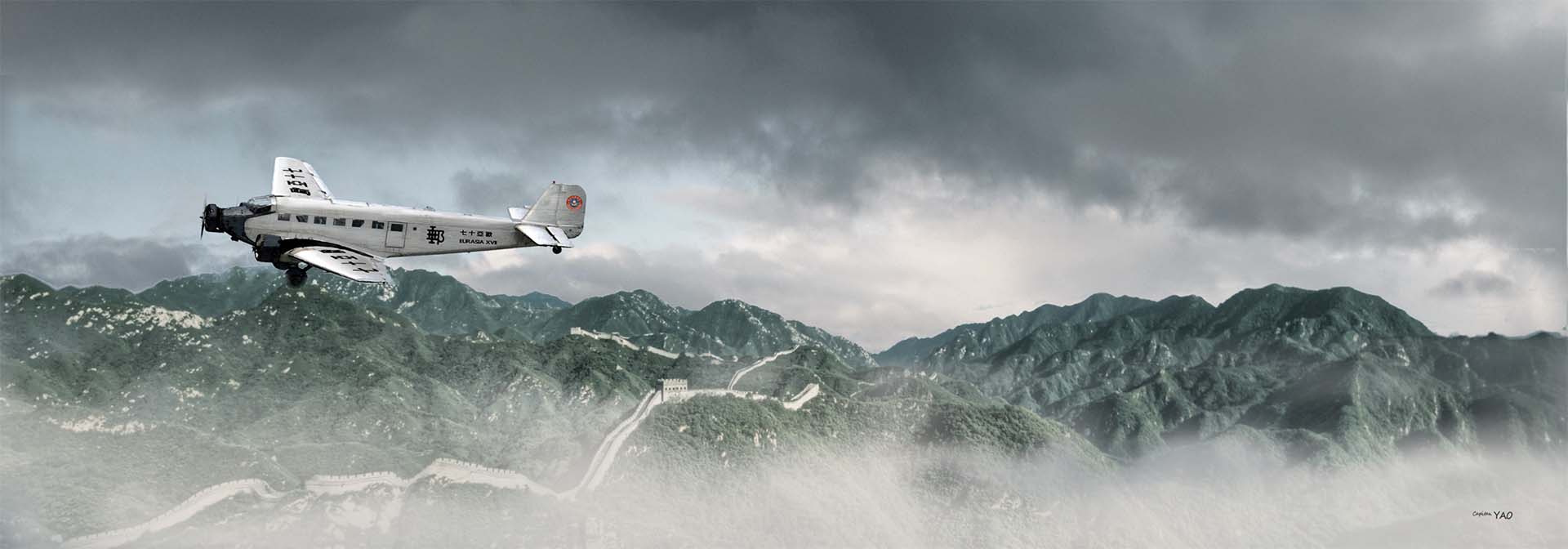
(Figure 2-7-2) The Sino-German joint venture "Eurasia Airlines" uses the Ju 52 aircraft.
Shanghai also had many stateless people, such as Russians who fled there after the Revolution, whom the Chinese called "White Russians." Many of them were originally nobles or generals who brought vast amounts of gold and silver with them, spending lavishly. Soon, their wealth dwindled; the men became doormen and guards, the women were forced into prostitution as dancers, and those with some skills became musicians or bakers. For example, the Shanghai Municipal Council in the foreign concessions had a highly regarded symphony orchestra, entirely composed of White Russians. I feel that much of Shanghai's refined taste was established by the White Russians, not by my fellow British. Many Chinese in Shanghai also lived in the concession areas. Some were wealthy merchants and compradors of foreign firms, some were high-ranking Chinese government officials or disillusioned politicians, and some were triad bosses. For example, Du Yuesheng, nicknamed "Big Ear Du," who rose to prominence after collaborating with Chiang Kai-shek during the "April 12 Incident" last year, is quite famous recently. Of course, there's also his mentor, "Pockmarked" Huang Jinrong, who was the head of the French Concession police. Although I am a Westerner and don't necessarily need to cater to them, many of the Chinese technicians and clerks in my company are under their control. If I want to conduct business normally in Shanghai, I can't afford to offend them too much. Because I had bombed Shanghai with my plane around this time last year, I was worried about getting into trouble when I first arrived. Fortunately, that operation took place in the Chinese-controlled area of the Kiangnan Shipyard, which had nothing to do with the concession area where I am now. Moreover, I found that everyone in Shanghai was busy making money and spending money, and no one would even notice that I was the guy who flew the plane and dropped bombs!

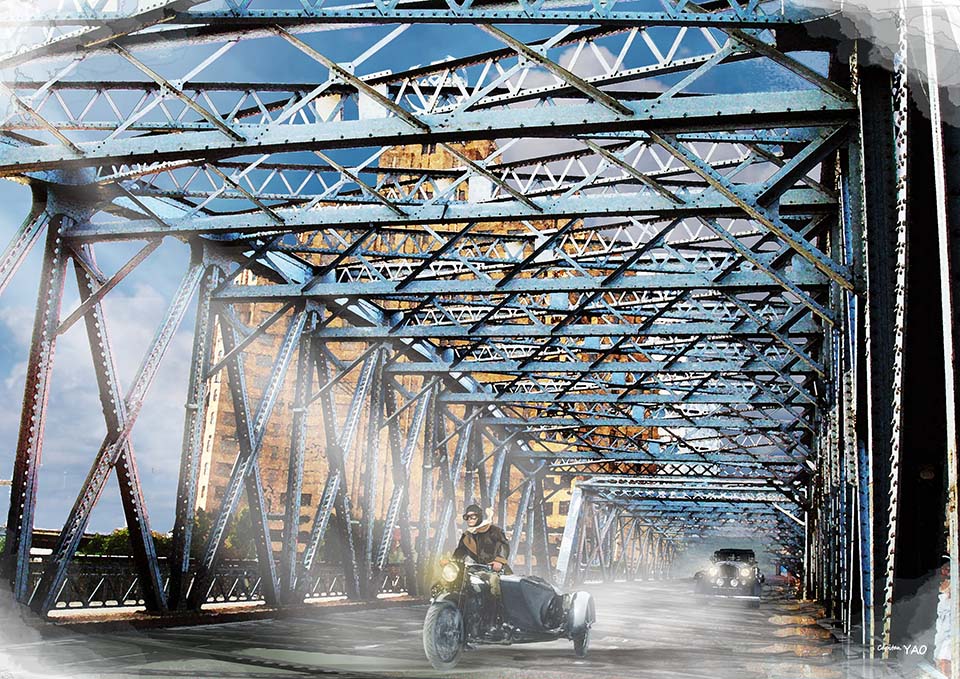 (Figure 2-7-3) Paul Draken rode his Brough SS100 motorcycle through Shanghai.
In Shanghai, for convenience, I bought a British Brough SS100 motorcycle. This motorcycle with a sidecar was very cool to ride, and I often wore a flight suit and hat and roared through the streets of Shanghai. Most of the police recognized me as this arrogant "rich kid," or at least they thought it was impossible for someone my age to be so wealthy on my own. That was good, because it made them less likely to cause me trouble, lest they offend the son of that big boss.
One day, I happened to run into Thomas Show, an air force sergeant I had met when I was studying to fly in England. We knew each other because he was very interested in my Eastern background, and I admired his extensive knowledge of the Middle East. It was especially heartwarming to meet him again in a foreign land. He told me that he had just arrived in Shanghai from India and hoped to collect some writing materials because he was writing a book. So I invited him to ride on my motorcycle.
I think Show is a very peculiar person, even somewhat mysterious. He's more than ten years older than me, and with his knowledge and abilities, he seems more like a general who has commanded thousands of troops than a veteran sergeant. But he's very low-key, which makes me a little suspicious, because recently the newspapers reported that the famous "Lawrence of Arabia" from World War I is now working under an assumed name in the British Royal Air Force, and his recent deployment to India has caused great tension among neighboring countries, who believe he is an MI6 intelligence agent sent to carry out subversion. I didn't think so before, but after reading the report, I realized that the person described in the article really resembles Show in front of me.
"Ah! You ride a Blue too?" Show said when he saw my motorcycle.
"I learned from you!" Back in flight school, Sergeant Show always drove his "Brough" brand motorcycle to transport us flight students between the plane and the airfield. His interest in motorcycles was well-known in the school. I must admit that buying this Brough was indeed influenced by him.
I invited Show for afternoon tea, but my main purpose was to ask him about the Loulan Pearl. This task my father entrusted to me has become a huge burden; I can't eat or sleep until I find it. Show happens to be an expert on the Middle East, and since the Middle East and West Asia are geographically connected, I figured he should also know something about the situation in the Western Regions of China.
"The Western Regions of China and the Arab world in the Middle East have something in common: water scarcity. Water has always been a very precious and valued resource for them, both in ancient and modern times. This has nothing to do with religion. Whether it is Islam, which is now practiced in the Arab world, or Buddhism, which was practiced in the ancient Loulan Kingdom, they simply incorporated the worship of water into their religious rituals."
Show continued, "The rise and fall of the Loulan Kingdom depended on water, and the fullness and dryness of the water were indicated by the luminous pearl. Therefore, the focus of the worship was the luminous pearl, not the Bodhisattva. Even if the religion changed, as long as the luminous pearl was still there, the result would be the same."
"My father believes that I must find this bead to find my mother, but I can't find it!" I said. "Actually, it's not that I can't find it, but rather that I know it's there but can't get my hands on it. The bead is now in the mouth of Empress Dowager Cixi!"
"Excavating the Chinese pyramids? I'd love that!" Old Xiao said.
"You make it sound so simple. Digging up ancestral graves is a major taboo in China!"
"You don't need to lift a finger, I'll figure something out for you; I'm going to North China to meet someone who might be helpful, I'll let you know if I get any news!"
A friend came from afar, so in the evening I took Show to the Shanghai Club. It's a six-story British classical building located on the first row of buildings along the Bund, characterized by a row of beautiful columns on the front. A tall, dignified, and imposing doorman, like a general, stands at the entrance. Although I often pass by here, I've never thought of going in; today was my first time.
I drove my Brough SS100 to the door, and the clanging engine noise drew everyone's attention.
"This is the most upscale nightclub in Shanghai. Only white people are allowed in. No matter how rich or powerful you are, you can't get in."
I pointed to the magnificent entrance of the Shanghai Club and said, "Look at these doormen, they're all White Russians. They were probably nobles in Russia back then, maybe even dukes!"
I suddenly wondered if I, a hereditary baron, would one day end up like him, working as a doorman? Thinking of this, I couldn't help but glance at him again... "H... Korniloff?" I couldn't believe my eyes, my whole body felt like it had been electrocuted.
The gatekeeper turned around too. Yes! It was him! But... wasn't he already executed by Great Marshal Chang?
"Wait for me at the corner over there at midnight!" He whispered in my ear as he passed by me, then went to open the door for the car behind us. No one noticed our conversation.
At that moment, a group of American tourists getting off the bus behind them shouted, "Hurry up! The Russian princess's performance is about to begin!"
"A Russian princess?" I was taken aback for a moment, but was then ushered into the lobby by the bustling group of Americans.
There's a bar in Shanghai that's 110.7 feet long, supposedly the longest in the world. After dinner, Show and I sat at the bar waiting for the show to start.
After the band played a few dance tracks, the drummer suddenly started pounding his snare drum, which usually meant that the main character of the night was about to appear. Sure enough, the spotlight swept across the stage and stopped in the center, where a woman draped in long feathers stood in front of a microphone. The music was a Parisian jazz style, and the woman began to sing in a deep voice, her singing revealing a hint of vicissitude.
"A Russian princess? Anastasia?" I murmured to myself.
"What? You know her?" Show asked.
"I'm not sure..." I tried to verify my vague memories of Anastasia on her. She had obviously aged a lot, which was understandable, since more than ten years had passed. If she really was the little princess, she should be 27 years old now, while she was only 14 years old back then.
"Everyone's spreading rumors that she's Princess Anastasia of Russia, but she firmly denies it," the bartender said. "However, the rumor of her being a Russian princess has actually boosted our business; many people come specifically because of that name."
"Is she really Anastasia? And why is Korniloff here?" I wondered to myself, there seemed to be some puzzling connection between them.
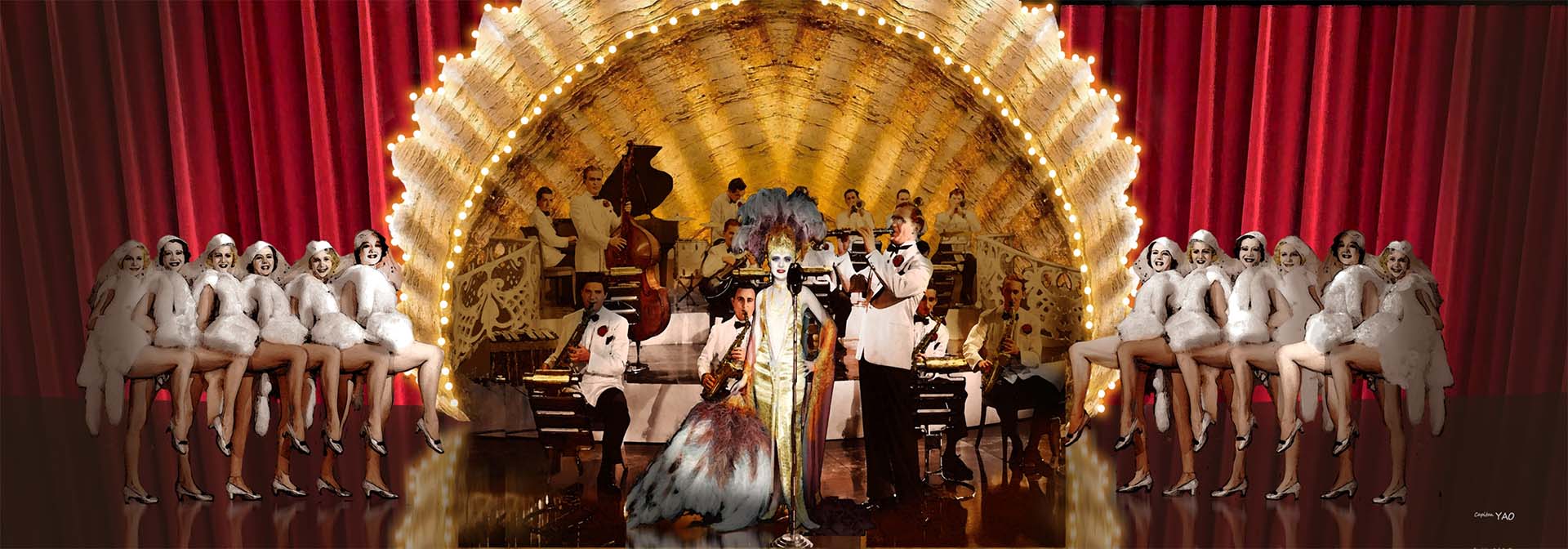
Just before the midnight, I went out the front door to wait at the corner. Korniloff, who had changed into casual clothes, pulled me into the darkness and said before I could even speak, "Come on! Get your motorcycle and let's go!"
"Go? Where to? My friend is still inside!"
"He's fine, hurry up and get the car!" Korniloff said urgently.
I sped along the Bund on my motorcycle with him on the back. There were very few cars on the road, except for one car whose headlights were constantly following us, which was a bit annoying. When we reached the entrance of a narrow alley, Korniloff suddenly said, "Go in! Go in!"
I suddenly turned into the narrow alley, and the motorcycle almost overturned. The car that had been following us braked suddenly and slid forward for a distance before quickly reversing and turning, but it got stuck at the entrance of the alley and couldn't get in. We then scrambled into the narrow alley.
I started to think something was off: "Hey! Did you mess with someone?"
"Let's go! We'll talk when we get there!"
The motorcycle sped through the complex and narrow alleys, following the directions given by Korniloff. I completely lost my sense of direction and finally stopped in front of an old house.
"Come on up!" Korniloff said. "This is where I live!"
This was a shared residence for many Chinese families. Korniloff rented a room on the second floor. The room was very messy, with only a bed, a wardrobe, a table, and two chairs. A pile of wine bottles were placed on the windowsill and in the corner. In the dim light, he recounted his experience to me.
"My life was saved by the young marshal!" Korniloff said. "That day, the young marshal insisted that his guards carry out the execution. The pistols were actually loaded with blanks. There were so many guards surrounding me that they fired them haphazardly. Outsiders had no idea what was happening. I was knocked unconscious by a blank. You know, being hit by a blank still hurts!"
"When I woke up, I found myself on a ship," Korniloff continued. "The Young Marshal sent his most trusted guards to take me to Shanghai. I met some fellow countrymen who had fled here, and they introduced me to the Shanghai Club as a doorman to earn a living!"
"So what's the deal with the guy who was chasing you tonight?" I asked.
"I don't know either. We only discovered it in the last few days," Korniloff said. "I think the Great Marshal found out and sent people to kill me..."
"Maybe they've come looking for me? I'm also a fugitive that the Great Marshal is hunting!" I said.
Just then, a clattering sound came from the stairwell. I stood up alertly, but Korniloff remained calm. He peeked through the crack in the door and said, "Nothing! The princess from across the hall is back!" "Princess?" "That's the Russian princess who sang tonight!" Korniloff said. "What princess? I made that up for publicity. Otherwise, how could a woman who used to sing in a tavern get on the stage of the Shanghai Club? Sigh! She's drunk again..." Korniloff tenderly helped the "princess" into the room and laid her on the bed, then went to fetch hot water for her to wash her face. Looking at her face, now a smear of makeup, I vaguely felt a sense of familiarity. I glanced around her room; the furnishings were very simple, but unlike Korniloff's room, this one had a bathroom. My gaze then shifted to the dressing table, where a paper airplane was tucked between the frame of the mirror… "Paper airplane?" When I took the plane down and looked at it, everything became clear. Just then, Korniloff came in carrying a kettle of hot water and poured it into a basin. While wringing out a towel, he said, "Her name is Maria. I found her in a small tavern frequented by Russians. She sang quite well, but the place was terrible, and the pay was meager. One day, I read a newspaper article about a fake Russian princess appearing in Paris, and a brilliant idea struck me: why not claim she's Princess Anastasia…?" Korniloff gently wiped her face and said, "I proposed this idea to my boss, the manager of the Shanghai Club, and he was very supportive. So she's been performing here since last week!" Maria turned around, and Korniloff gently covered her with a blanket.
"Let's go!" he said quietly, closing the door behind him. "A lovely woman, isn't she?"
"You like her a lot?" I asked Korniloff.
"Um... well..." The usually carefree Korniloff became shy, nodding as he looked at the tips of his shoes, his face flushing from his neck to his ears like a schoolchild: "Let's talk about you! How have you been this past year?"
I told him about what had happened since I took over as deputy captain of the air squadron, including the events involving Li Yunhe and Lomui. Sitting in the stairwell, Korniloff listened in astonishment and exclaimed, "You've had quite a busy year!"
I said, "If you hadn't kidnapped me, none of this would have happened."
"A person's life is predetermined; what you encounter, you can't escape."
"I don't think so. At crucial moments, a person's fate can be changed. If the Tsar had made up his mind to fly out of St. Petersburg on your plane, wouldn't history have been different?" I said meaningfully, glancing back at Maria's door.
Korniloff didn't catch my hint, but the moment the Tsar was mentioned, a look of pain and regret immediately crossed his face. I patted him on the shoulder and told him to go back to his room to rest. I had to hurry back to the Shanghai Club to find Show. Should I ask the host to slip away first? That would be so rude! As I went downstairs to leave, I heard Korniloff's deep, desolate voice singing " Song of the Volga Boatmen" coming from his room.
After finally finding my way back to the Shanghai Club, it was already closed, and Show was nowhere to be seen. This made me feel very guilty. Meanwhile, the matter of Anastasia and Korniloff kept nagging at my mind, making me restless every day.
One day, I was carelessly riding my motorcycle down the street when a car suddenly appeared in front of me. I slammed on the brakes, but it was too late; I was thrown into the air and landed on the hood of the car. When I saw who was in the back seat, I couldn't help but yell, "Mr. M! You persistent pest!"
Mr. M said, "Hello! General Manager Draken! We meet again in Shanghai!" "Why are you following me around? Don't you have anything better to do all day?" "Serious business? Taking care of your business is the serious business!" Mr. M said. "First, let me ask you, what is your relationship with Colonel Lawrence?" "Who is Colonel Lawrence?" "It was Colonel T.E. Lawrence who went to the Shanghai Club with you that day!" After hearing what he said, I knew what was going on. Show was indeed Lawrence of Arabia. But in my experience, you should never admit to someone like Mr. M, or you'll face endless trouble. "Colonel Lawrence? You must be joking! What colonel? He's clearly Sergeant Shaw of the Royal Air Force, and I'm an instructor at flight school!" "Teaching assistant? This..." Mr. M said, "Alright, alright! Did Sergeant Show say anything to you?" "What can two men talk about when they're together? Women, of course!" I made up a reason to shield myself, but I noticed Mr. M looked at me with disbelief. "Colonel Lawrence... no, Sergeant Show, are you interested in talking about women?" Mr. M, perhaps sensing the conversation was going against him, wiped his face to gather his thoughts and continued, "Alright! Let's not talk about that anymore! I'll ask you again... what's your relationship with the doorman of the Shanghai Club?" "What could possibly be the connection? Wait, could it be that you were the one chasing us that night?" “That’s not us, it’s…” Mr. M said, “I’ll tell you the truth, it’s people sent by the Cheka.” "Cheka?"
"The Cheka is a secret service organization from Moscow. The reason they came to Shanghai was that on November 7th of last year, a group of White Russian volunteers dressed in former Tsarist army uniforms stormed into the consulate. The consulate staff shot and killed the leader, and the attackers gradually retreated. The concession authorities stood by and watched the whole process. The Cheka came to investigate this incident."
"Their second mission is to find the rumored Princess Anastasia, verify her identity, and assassinate her. Because I worked in Russia, MI6 specifically assigned me to Shanghai to investigate this matter. I know you've seen the princess in the palace before; could you assist us in confirming this?"
"you mean?"
"Is Princess Anastasia still alive? Is she in Shanghai?" Mr. M asked. "Is she the female singer from the Shanghai Club?"
"I don't know! But if I did find out, I'd definitely tell you! Is that alright?"
"Very good! This thousand pounds is your reward and will cover the cost of repairing the motorcycle!"
The car drove right back to the spot where the accident had occurred. After I got out, Mr. M drove off. The police officers were already standing there, and when they saw me, they shouted, "Young Master, are you alright? I'll watch the car for you!"
I gave him a tip, got on my motorcycle, and started it. Luckily, there was no damage, and I immediately rode to Korniloff's place.
I knocked on the door, but Korniloff wasn't there. The door across the hall opened with a creak: "You're looking for Korniloff?" When we met eyes, the woman before me was no longer the heavily made-up cabaret dancer from that night, but a pure and noble girl with no makeup. I bowed deeply and said, "Your Highness Princess Anastasia!" She was clearly surprised: "You called me?" "Princess, it's me, Paul Draken, the one who gave you that paper airplane!" "Paul?" Her body went limp and she suddenly collapsed to the ground. I quickly caught her and helped her into the room.
I sat by the bed watching her. After a while, she slowly woke up, weakly resting her head against me, and said, "I never thought I'd see you again, Paul... Nobody here knows my real identity, not even Korniloff!"
"I'm not that sure. People from Moscow are already here!" I said. "The British intelligence agency knows too!"
"Then...what should we do?" I could hear the trembling in her voice. "Paul, can you take me to America?"
"Don't worry! There should be a way!"
She went on to recount how she narrowly escaped death in Yekaterinburg, chose her grandmother's name as an alias to flee Russia, how she traveled through Siberia to Shanghai, worked as a dancer in a ballroom and sang in a tavern, and how she met Korniloff. The princess, once pampered and privileged, had now endured so much hardship and suffering, filling me with a deep sense of pity and compassion.
She struggled to get up, grabbing my collar, but lost her balance and pulled me down onto the bed. We embraced, and looking into her deep, tear-filled eyes, it was as if I could see the creamy yellow palaces and shimmering golden onion roofs of St. Petersburg in the distance. She kissed me deeply, and I responded with an even more passionate embrace and caresses to soothe the wounds she had suffered over the years.
Just then, I heard the voice of the fortune teller Chiu Taochi: "Your fate is truly too strong; both the princess and the queen will meet a tragic end in the capital..."
Could the princess that Master Chiu was talking about be...? I broke out in a cold sweat and suddenly pushed her away.
"No! I can't hurt you!"
I ran away from their place and sped along the riverside road on my motorcycle, trying to clear my chaotic thoughts.
It's certain that Anastasia can no longer be recognized as a princess; otherwise, she won't be able to live a normal life, and her life will be in danger. Secondly, she absolutely cannot be with me. To me, she will always be a princess, and might even, as Chiu Taochi said, "lose her life in the capital" because of me. Finally, she needs someone who loves her but doesn't know she's a princess. Who could that be?
I think I have the answer: "Korniloff! It's you!"
Starting in mid-June, newspapers began reporting that Chang Zuolin's special train back to Manchuria had been bombed in Huanggutun, and it was later confirmed that he was dead. The Young Marshal then took control of Northeast China. Strange! When I saw this news, the first person I thought of was Show, no! It should be Colonel Lawrence. Does something really happen wherever he goes? That day, Korniloff came to me excitedly with a bottle of wine: "We should really celebrate Great Marshal Chang's passing! From now on, I don't have to fear him coming to claim my life anymore!" Naïve Korniloff was unaware that the one who had come to claim his life was actually someone else, but I couldn't reveal this to him. "Korniloff, do you want to go to America?" I asked him tentatively. "Of course! What Russian exile in Shanghai wouldn't want that?" Does it include Maria? "Is this true? Going with Maria?" Korniloff shook my arms excitedly, then gave me a big hug and kept kissing me. "I'll figure out how to get to America. As for whether Maria should go with you, that's not up to me. You'll have to ask her yourself." "I'll go ask Maria right now if she wants to go to America." "Idiot! You're going to propose to Maria! She's your wife, so of course she has to go to America with you!" I said, slapping Korniloff on the head. Actually, I hadn't figured out how to get them to America yet, so I had no choice but to bite the bullet and go to Mr. M. "Ah! See, you still had to come to me for help. You've come to the right person!" Mr. M said, "Assassinations happen in Shanghai every day now. It's too dangerous to leave the country through normal channels. The docks are packed with people, and no one can guarantee what won't happen. But the police in the concessions are basically anti-communist. If they arrest someone, they'll be sent to the Chinese-controlled area and handed over to Chiang Kai-shek's men. Their fate will be tragic. So I think the Cheka people won't dare to make any rash moves until the princess's identity is finally confirmed." "What should we do then?" "The way you left Tsingtao back then!" Mr. M said. His words were a wake-up call. Years ago, Song Feihu and I rowed a small boat to the open sea to board a British Swire ship and leave Tsingtao. But Shanghai is different from Tsingtao; the journey from the dock to the open sea involves crossing the Whangpoo River and the Yangtze River, a long and potentially dangerous voyage. Thinking about it, I remembered my profession: That's it! I can use an airplane to get them to the open sea! "I'll introduce you to a place that can get fake passports; you can handle the rest yourself!" Mr. M said. "After this is done, I'll be assigned to Moscow. Now that Great Marshal Chang is dead, I have a lot more to do!" But my plane can only accommodate one passenger. How am I supposed to squeeze a big guy like Korniloff and a princess into the cramped cabin? I told Korniloff the problem, and his answer was quite straightforward: "Then let Maria go alone!"
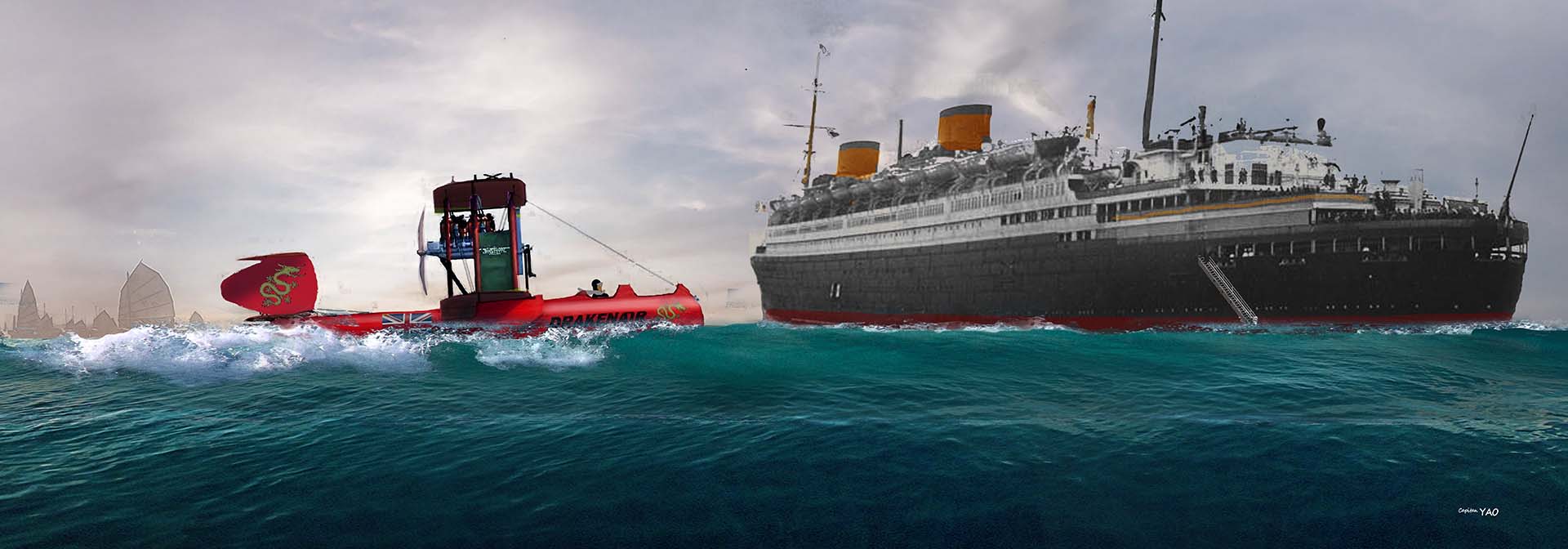
(Figure 2-7-11) Connecting passengers from offshore cruise to shore is the most profitable business of "Shanghai Dragon Airlines".
While busy with the princess and Korniloff's affairs, I still couldn't neglect the company's business. That day, I received a call from the shipping company asking me to pick up an American named Annie Kennedy from a cruise in the open sea and bring her to Shanghai. When I met her at the ship's side, I found that she was a young and beautiful woman, but she had a bit of a spoiled princess attitude. To make matters worse, she had even learned to fly and was pointing fingers at my way of flying, which infuriated me: "Who taught you those fallacies?" "My flight instructor, Charles A. Lindbergh!" Lindbergh, the one who flew solo across the Atlantic? I swallowed back everything I was about to say.
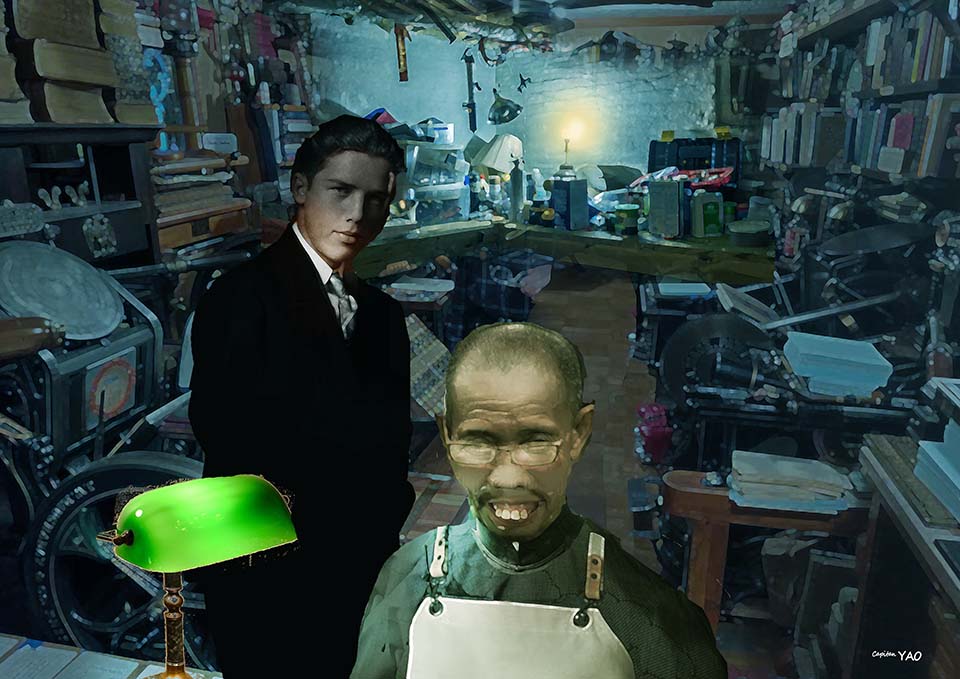
I found the place Mr. M had recommended, a place that specialized in making fake documents. In a dimly lit basement, I met a thin, wiry old man from Foochow who seemed quite cunning. He spread out a book with many names printed on it and said, "Pick a name!"
Pick a name? Suddenly, a brilliant idea struck me—I'll use that annoying Annie Kennedy name! I pulled out the telegram the shipping company had given me from my pocket and looked at it. Great! It had all the basic information—name, passport number, identity—completely on it!
"Do it this way!" I showed the telegram to the Foochowese . Changing "Anastasia" to "Annie" doesn't make much difference; the princess should get used to it easily.
I should also give Korniloff a name. I continued flipping through the book and found "EF McGarvin", which indicated that he was Swiss.
"EF McGarvin?" I asked the Foochowese , "Where have I heard that name before?"
"That? That was over ten years ago!" said the Foochowese . "A foreign woman came to ask him to do it. I heard he was a German pilot."
"A German pilot?" I exclaimed excitedly. "Could it be Gunther Plüschow, who flew out of Tsingtao? I know him! So you made his fake passport too?"
Great! Let the German and Russian pilots both use the same person's identity! So I decided to make a fake American passport for Korniloff under the name "EF McGarvin" and change Annie's last name to "McGarvin" to show that they were a couple.
Korniloff finally proposed to the princess, and I used every method I could to get her to accept. I even got my hands on the fake passport and ship tickets, using the money Mr. M gave me. Finally, I pulled Korniloff aside and whispered, "My plane definitely can't fit two people. I think you should fly the plane yourself with Maria, and then set the plane on fire after boarding, so there's no evidence!"
"How can that be? This is your property!"
"Of course! You can always buy another plane. How many times in a lifetime do you get the chance to pursue a new life?" I said, "Do you want to relive the regrets of St. Petersburg?"
Korniloff shook his head, seemingly understanding but not quite.
I know that ships check passengers' tickets and passports when they board, but don't check them after that. So my plan is to have two people impersonate three. If the plane explodes within the ship's line of sight as I predict, that would be irrefutable evidence. I can then destroy Korniloff's identity along with the plane, and no one will be able to track him down anymore. Of course, I will first go through the formalities of hiring him as a pilot for the Shanghai Dragon Company to leave the necessary records, and I will also take him for test flights to familiarize him with the aircraft's performance.
I also made a small bottle based on the method my father told me about the Chinese and Russian assassination teams making incendiary bombs during the Russo-Japanese War. I gave it to Korniloff and told him to sprinkle it in the cabin before boarding the ship, fix the aircraft control stick in a water-gliding state, and the agent would spontaneously combust and burn the entire aircraft after a few minutes. It would be even more realistic if I used a straw dummy with it.
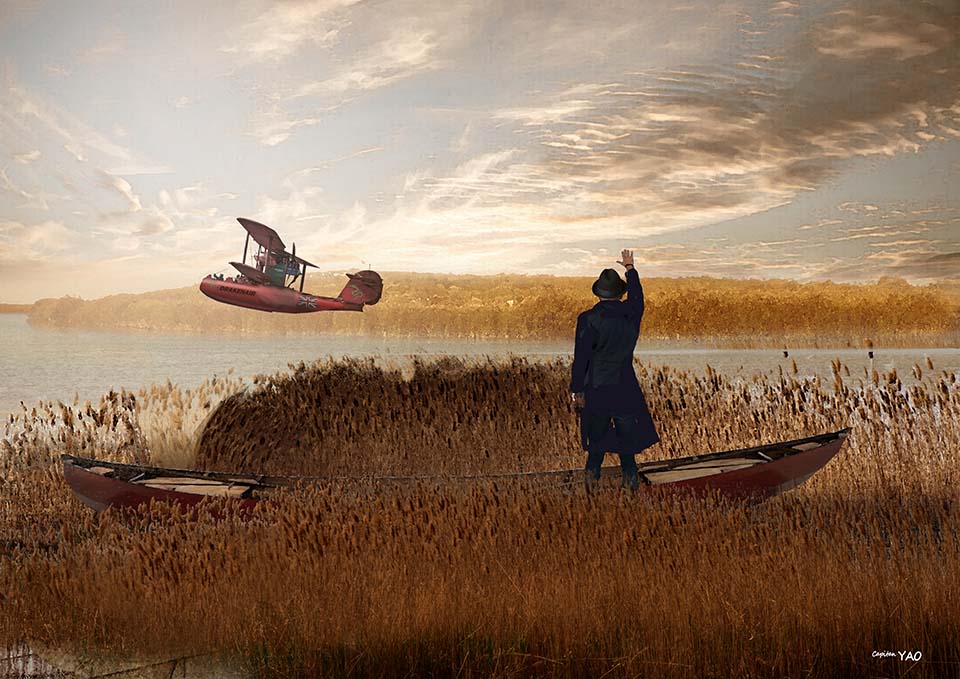
Finally, the time for departure arrived. The night before, we had a simple dinner at Korniloff's place as a farewell and wedding banquet. I forbade him from drinking so as not to ruin the important event. The next morning, before dawn, I went to the airport and flew the plane to the riverbank, landing it beside a reed bed. Korniloff and Princess had been waiting there in a small boat for a long time. I handed the plane to Korniloff, and Princess held my hand for a long time, saying, "Thank you for the plane!" Then she took the paper airplane out of her pocket and returned it to me.
"It's almost dawn, you should take off!" I urged them. "Staying here too long will attract attention with the engine noise!"
The plane glided across the river and soon left the water, heading east towards the rising sun. I threw the paper airplane into the sky, and the updraft carried it high into the air.
"Forget the past!" I shouted towards the distance where the paper airplane had flown, and then slowly rowed the small boat back to the shore.
According to the ship's log, on July 4, 1928, a seaplane belonging to Shanghai Dragon Airlines, piloted by Russian pilot Korniloff, caught fire and exploded during takeoff on the return trip after transporting an American couple to the ship. The pilot went missing.
Because the incident occurred on the high seas, it did not attract much attention. Later, I used the insurance company's compensation to buy a new plane.
In late 1928, I received a Christmas card from the United States. They lived in the rural Midwest; Korniloff had found work flying planes to spray pesticides on a farm, while Maria had become an ordinary housewife. In the New World, no one knew their past, so I couldn't reveal their later names to avoid trouble. I sincerely wished them peace and happiness; it's good to be an ordinary person!
|
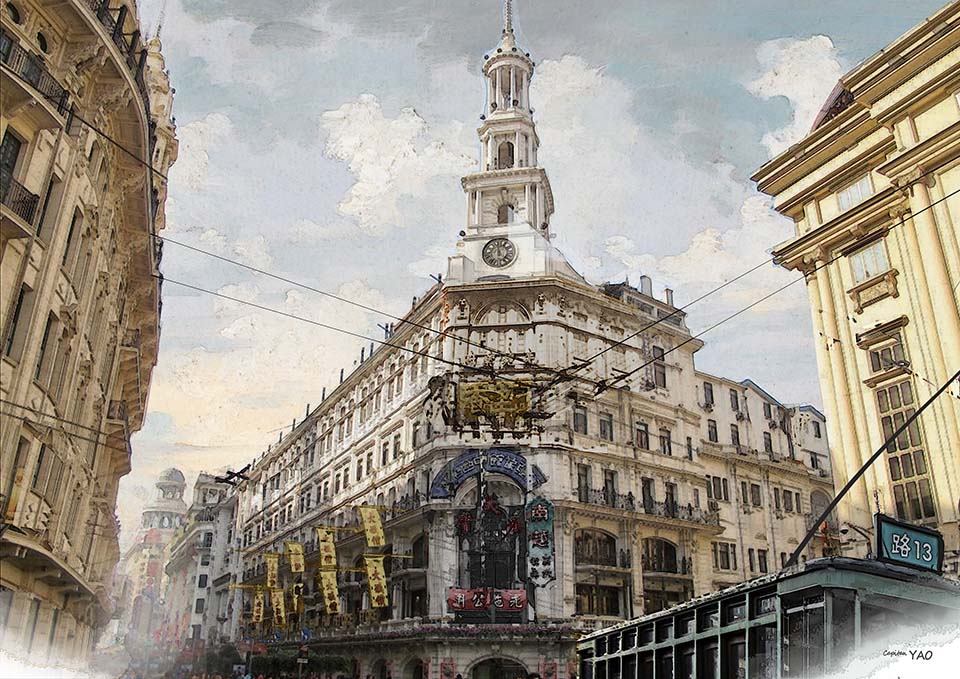 Dragon Airlines' business in Shanghai proceeded smoothly. At this time, the Chinese Civil War was gradually moving away from the south, and Shanghai regained its former vitality. The years of civil war actually made Shanghai more prosperous, because many Chinese people moved to Shanghai to escape the war, causing Shanghai's housing prices to soar overnight. Coupled with the consumption of so many people, the Shanghai market was exceptionally prosperous.
(Figure 2-7-1) The Sincere Company on Nanking Road in the bustling Shanghai Bund.
Dragon Airlines' business in Shanghai proceeded smoothly. At this time, the Chinese Civil War was gradually moving away from the south, and Shanghai regained its former vitality. The years of civil war actually made Shanghai more prosperous, because many Chinese people moved to Shanghai to escape the war, causing Shanghai's housing prices to soar overnight. Coupled with the consumption of so many people, the Shanghai market was exceptionally prosperous.
(Figure 2-7-1) The Sincere Company on Nanking Road in the bustling Shanghai Bund.
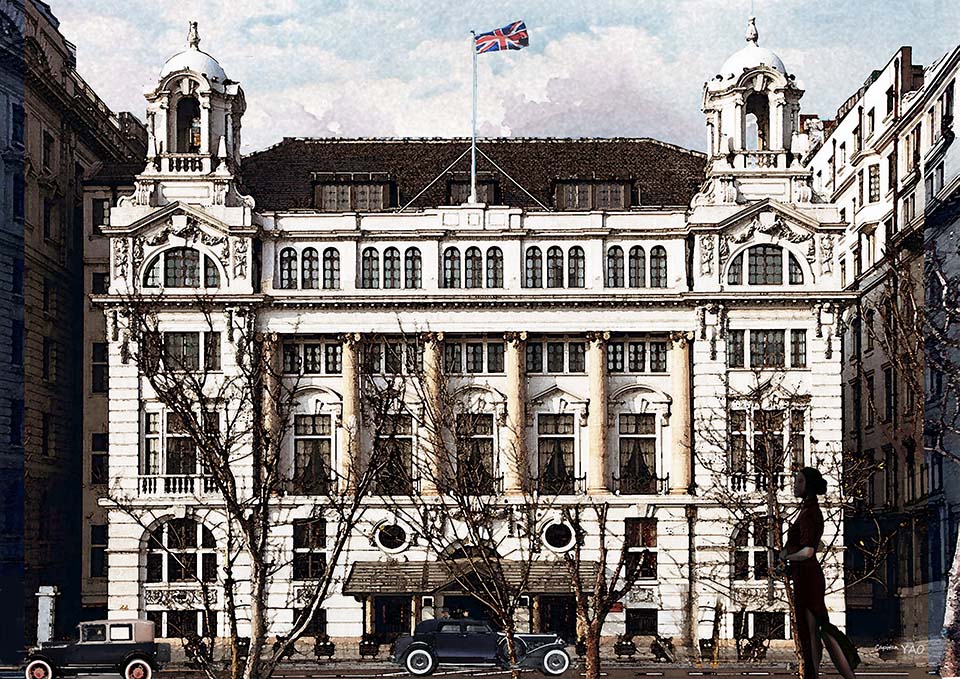 (Figure 2-7-4) The Shanghai Club at No. 2 Bund.
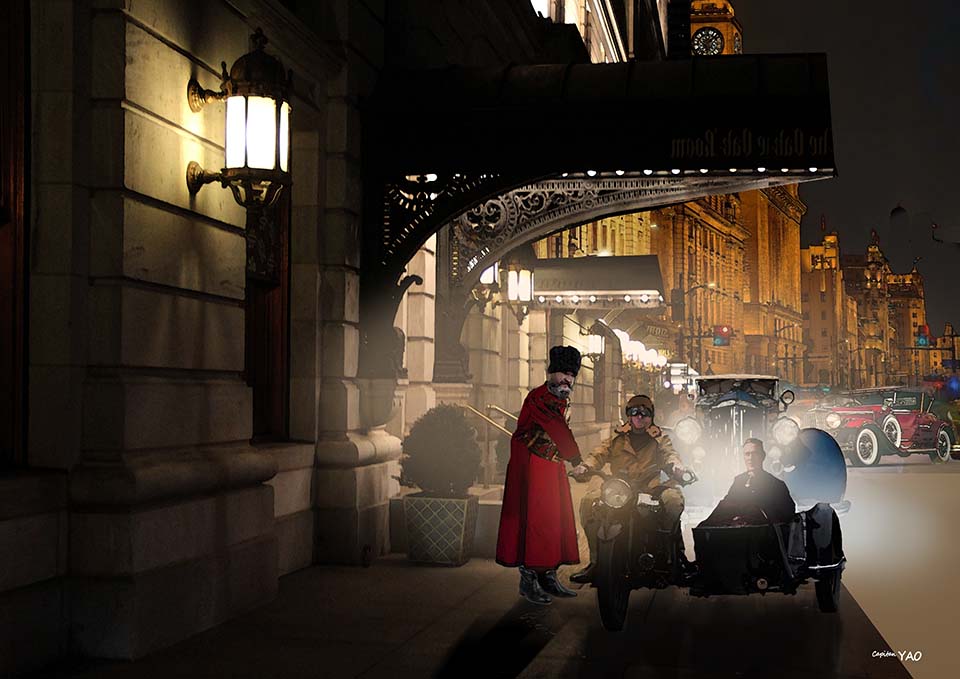 (Figure 2-7-5) Paul Draken rode his motorcycle with Sergeant Show to the Shanghai Club, where they happened to meet the doorman, Korniloff.
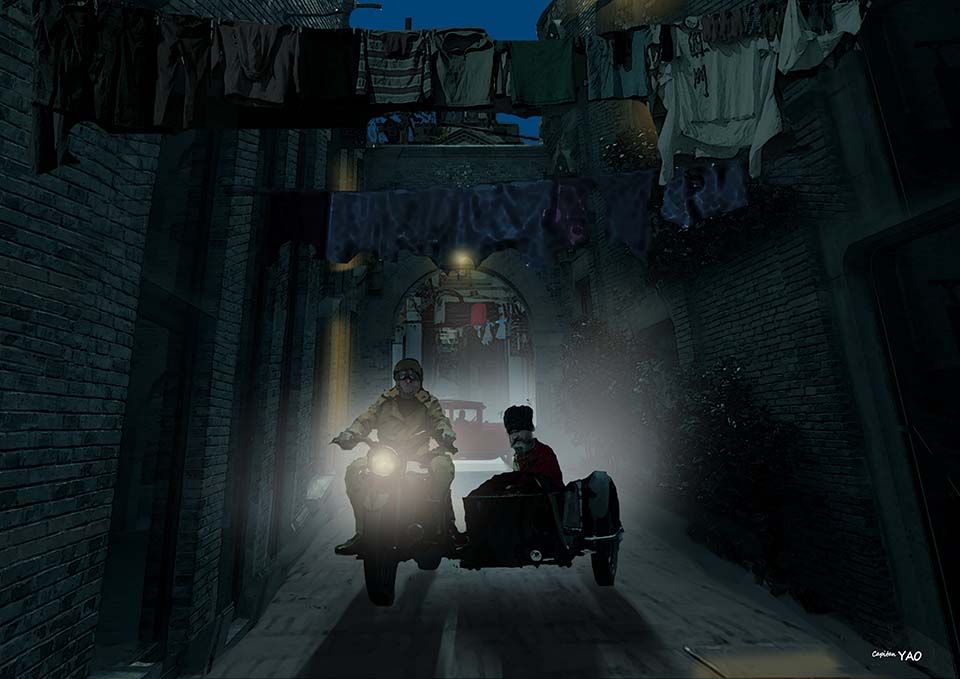 (Figure 2-7-7) Paul Draken rides a motorcycle with Korniloff into the labyrinthine Shikumen to escape the pursuit.
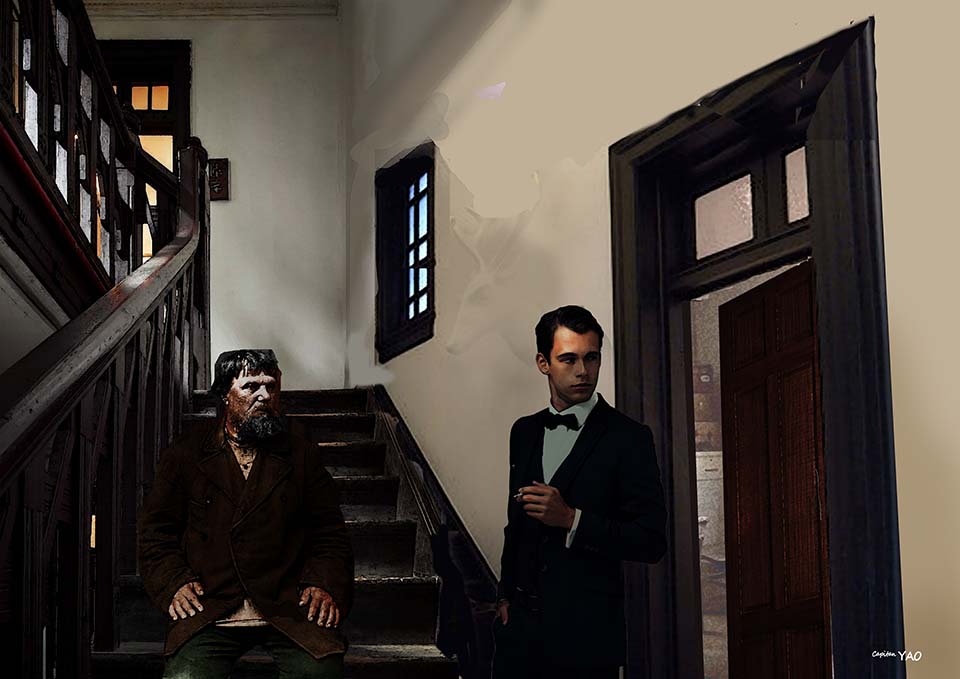 (Figure 2-7-8) Paul and Korniloff are talking about Maria in the stairwell.
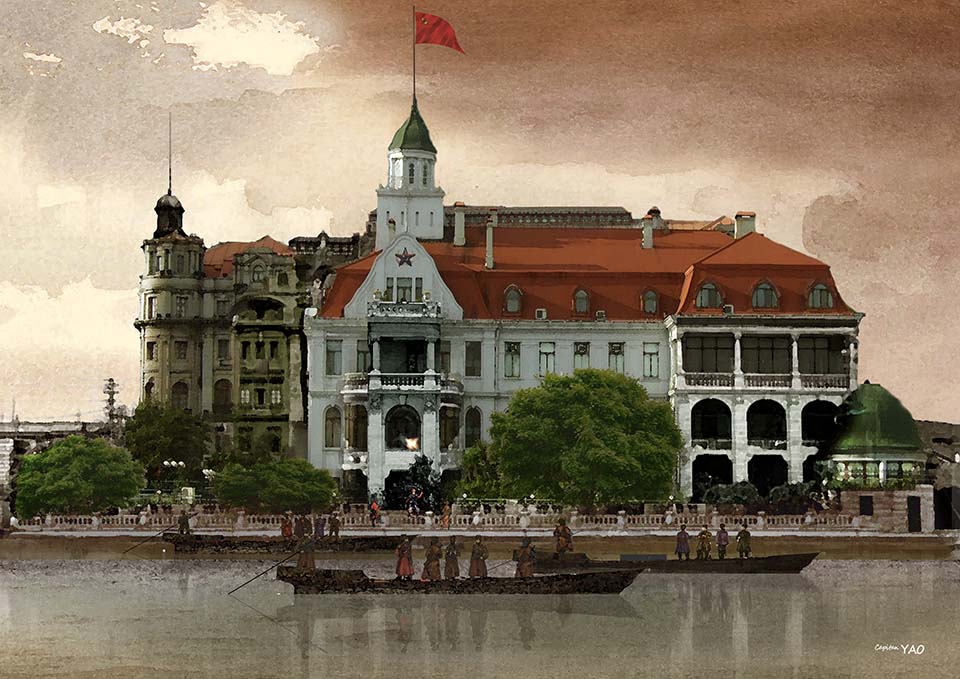 (Figure 2-7-9) On November 7, 1927, the Shanghai White Russian Volunteer Corps launched a two-pronged attack by land and water on the Soviet Consulate General located at the mouth of the Soochow Creek.
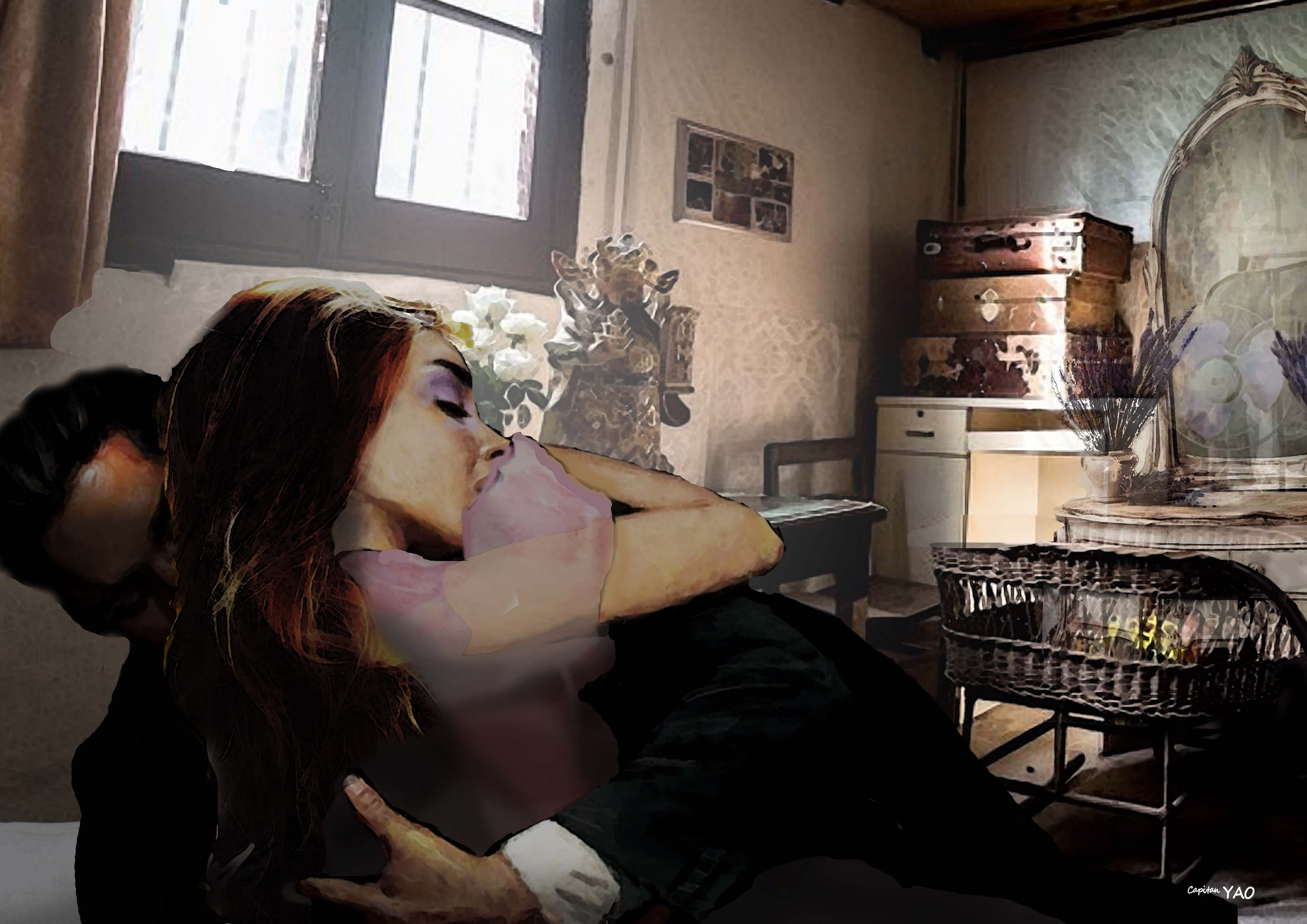 (Figure 2-7-10) Paul Draken embraced the unconscious Princess Anna Stasia and helped her to bed.